
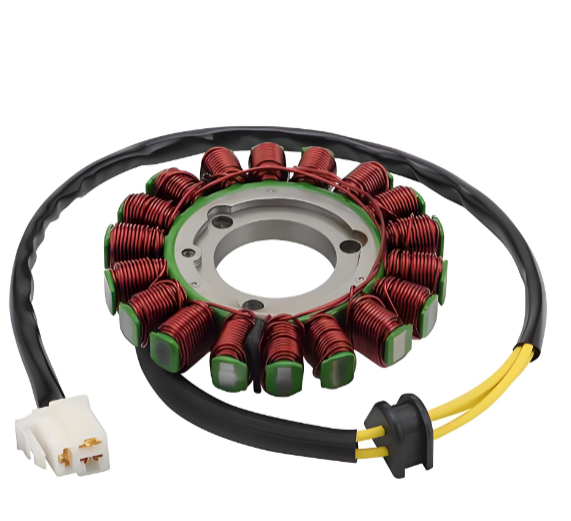
The ignition coil is a critical component in your vehicle's electrical system, responsible for converting battery voltage into the high voltage needed to create spark plugs' spark. When an ignition coil malfunctions, it can lead to poor engine performance, increased fuel consumption, and difficulty starting. Understanding the common faults of an ignition coil and their solutions is essential for vehicle owners and technicians alike. An ignition coil that fails can cause a cascade of problems throughout the engine management system, affecting reliability and drivability. This guide explores the most frequent ignition coil issues and how to address them effectively.
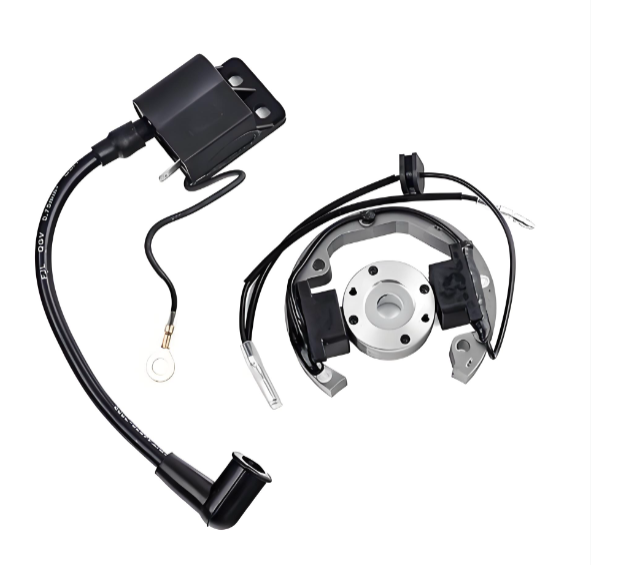
Modern vehicles typically use multiple ignition coils, with each one serving one or two spark plugs depending on the engine design. The ignition coil operates by using electromagnetic induction to transform low voltage into extremely high voltage, sometimes exceeding 40,000 volts. When an ignition coil degrades, misfires occur, the check engine light illuminates, and fuel efficiency plummets. Recognizing these warning signs early allows you to take corrective action before damage spreads to catalytic converters or other related systems. This comprehensive overview addresses diagnosis, prevention, and repair strategies for ignition coil complications.
Common Ignition Coil Faults and Their Causes
Insulation Breakdown in the Ignition Coil
Insulation failure represents one of the most prevalent faults affecting an ignition coil. The internal windings of an ignition coil are wrapped in insulation material designed to withstand extreme temperature and electrical stress. When this insulation deteriorates due to age, heat exposure, or manufacturing defects, electrical leakage occurs. The ignition coil can short internally, causing it to stop producing the necessary high voltage. Common causes include repeated thermal cycling, exposure to engine bay moisture, and poor-quality manufacturing. A faulty ignition coil with compromised insulation will typically exhibit intermittent misfires before complete failure.
Coil Primary Circuit Resistance Issues
The primary circuit of an ignition coil can develop excessive resistance over time, reducing its effectiveness. When the ignition coil's primary winding resistance increases beyond manufacturer specifications, the switching signal weakens, preventing proper electromagnetic field buildup. This fault in the ignition coil often results from corrosion, improper electrical connections, or internal wire degradation. Testing the ignition coil with a multimeter will reveal resistance levels outside normal ranges. An ignition coil experiencing primary circuit problems may still fire spark plugs occasionally, creating a misfire pattern that varies with engine load and temperature conditions.
Diagnostic Methods for Identifying Ignition Coil Problems
Visual Inspection and Physical Signs
A thorough visual inspection can reveal obvious ignition coil damage before electrical testing begins. Look for cracks in the ignition coil's plastic housing, which allow moisture ingress and accelerate failure. Check connector terminals for corrosion, loose contacts, or burnt marks indicating arcing. The ignition coil should feel dry; moisture or oily residue suggests seal failure. Burned smell coming from the ignition coil area indicates overheating and imminent failure. Physical damage to an ignition coil housing often correlates with electrical failure, making visual assessment a valuable first diagnostic step. Document any visible deterioration on the ignition coil before proceeding to electrical tests.
Electrical Testing of the Ignition Coil
Electrical testing provides definitive information about an ignition coil's operational status. Use a digital multimeter to measure the primary and secondary winding resistance of the ignition coil. Primary winding resistance typically ranges from 0.4 to 2 ohms, while secondary resistance usually falls between 5,000 and 15,000 ohms depending on the ignition coil design. Compare your measurements against the vehicle manufacturer's specifications for that particular ignition coil model. An ignition coil showing significantly higher or lower resistance values indicates a fault. Additionally, an ignition coil's output voltage can be tested with specialized equipment; improper voltage output confirms the ignition coil is defective and requires replacement.
Solutions and Prevention Strategies
Replacing a Faulty Ignition Coil
Replacement is the most reliable solution when an ignition coil fails electrically. Most vehicles use threaded or clip-mounted ignition coils that can be accessed from the engine bay without extensive disassembly. When replacing an ignition coil, disconnect the negative battery terminal first to prevent electrical damage. Remove the connector from the ignition coil, then unscrew or unclip the unit from the spark plug location. Before installing the new ignition coil, apply a thin layer of dielectric grease to the interior of the connector and the coil tower. Install the replacement ignition coil in reverse order, ensuring secure mounting and proper connector seating. An ignition coil that has been properly installed will restore normal engine performance and eliminate misfires associated with the defective original unit.
Preventive Maintenance for Ignition Coil Longevity
Preventive maintenance significantly extends the lifespan of your ignition coil and reduces the likelihood of unexpected failure. Keep the engine bay clean and dry, as moisture accelerates deterioration of an ignition coil's insulation. Ensure spark plug wires or connectors are properly seated and free from corrosion; loose connections strain the ignition coil. Follow the manufacturer's recommended maintenance schedule for spark plug replacement, as worn spark plugs increase the electrical load on the ignition coil. Monitor for early warning signs such as rough idle, hesitation during acceleration, or a lit check engine light. Regular inspection of the ignition coil for cracks or damage allows early detection before catastrophic failure occurs. Address any electrical system problems promptly, as alternator issues or battery problems can damage the ignition coil through voltage irregularities. With proper care, a quality ignition coil should provide reliable service for 100,000 miles or more.
FAQ
What are the typical symptoms of a failing ignition coil?
Common symptoms of a failing ignition coil include engine misfires, a check engine light with misfire codes, rough idle, difficulty starting, reduced fuel economy, and a noticeable loss of engine power during acceleration. The ignition coil may cause these symptoms intermittently at first, then progressively worsen as the fault develops. If you notice multiple symptoms simultaneously, your ignition coil likely requires testing and probable replacement to restore proper vehicle operation.
How long does an ignition coil typically last?
An ignition coil generally lasts between 80,000 and 150,000 miles, though this varies based on driving conditions, vehicle model, and ignition coil quality. Extreme heat, frequent short trips, and exposure to moisture reduce the ignition coil's service life significantly. Some modern ignition coils are designed for extended durability and may last longer, while others may fail earlier due to manufacturing defects or harsh operating environments. Regular maintenance and prompt attention to electrical problems help maximize your ignition coil's lifespan.
Can you repair an ignition coil, or must it be replaced?
In most cases, a faulty ignition coil cannot be repaired and must be replaced entirely. Modern ignition coils are sealed units with no user-serviceable internal components. While you can clean corroded connectors or reseat loose connections to temporarily restore function, internal electrical faults require complete replacement. Attempting to repair an ignition coil's internal windings is impractical and economically unviable compared to purchasing a new unit. Replacement ensures reliable performance and manufacturer warranty protection on the new ignition coil.