
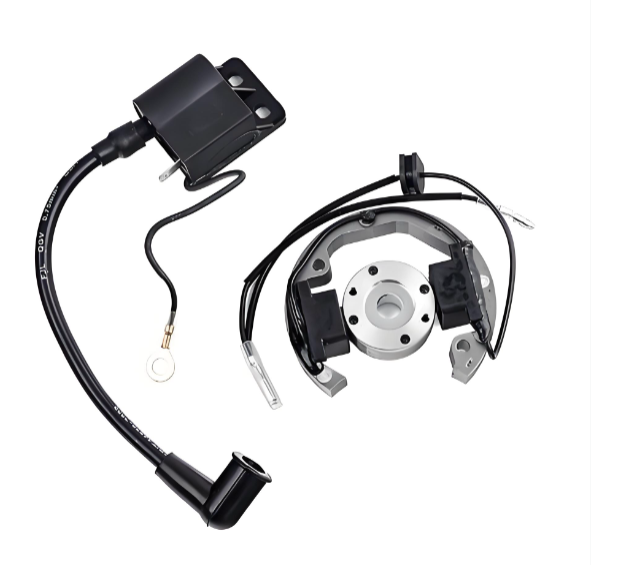
The ignition coil serves as a critical electrical component in modern electrostatic spraying equipment, transforming low-voltage power into the high-voltage output required for precision coating applications. Understanding how the ignition coil functions within electrostatic spraying systems is essential for operators, maintenance technicians, and facility managers who depend on consistent, efficient coating performance. The ignition coil operates as an electromagnetic transformer, stepping up voltage levels to create the electrostatic field necessary for atomizing and propelling paint, powder, or other liquid coatings onto target surfaces with exceptional accuracy and minimal waste.
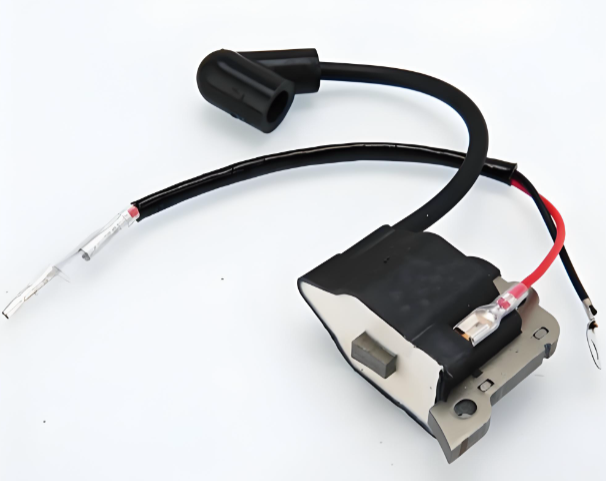
Industrial electrostatic spraying has become the standard in automotive, furniture, aerospace, and consumer goods manufacturing because it delivers superior coating uniformity, reduces overspray, and significantly lowers material consumption. The ignition coil makes this efficiency possible by reliably generating the high-voltage potential that establishes the electrostatic charge differential between the spray gun nozzle and the grounded workpiece. Manufacturers and coating service providers recognize that the ignition coil directly influences spray quality, equipment reliability, and operational safety, making it one of the most important components to understand and maintain properly.
Voltage Generation and Transformation
How the Ignition Coil Produces High-Voltage Output
The ignition coil functions by converting input power through electromagnetic induction, a process that multiplies voltage levels to the thousands of volts required for electrostatic spraying. A typical ignition coil contains a primary winding that receives low voltage (usually 12V, 24V, or 110V depending on the equipment design) and a secondary winding wound around an iron core. When electrical current flows through the primary winding, it creates a magnetic field that rapidly collapses and induces a much higher voltage in the secondary winding, effectively stepping up the voltage to 40 kV to 100 kV or higher depending on the specific ignition coil configuration and application requirements.
Integration with Electrostatic Spray Systems
In electrostatic spraying equipment, the ignition coil works as the voltage supply stage for the high-voltage electrode system that charges paint particles and the spray gun nozzle. The output from the ignition coil feeds into a rectifier that converts alternating current to direct current, creating stable high-voltage potential for consistent coating application. This integration allows the ignition coil to maintain steady electrostatic field strength throughout the spray cycle, ensuring uniform particle acceleration and controlled deposition on the workpiece surface. Equipment designers specify particular ignition coil models based on the desired spray pattern intensity, coating material viscosity, and production volume requirements.
Safety Features and Operational Control
Voltage Regulation and Arc Prevention
Modern electrostatic spraying equipment incorporates multiple safety mechanisms within and around the ignition coil to prevent electrical hazards and unintended arcing. High-voltage regulators limit the maximum output voltage the ignition coil can produce, protecting both equipment and operators from dangerous discharge incidents. The ignition coil itself is typically insulated with specialized dielectric materials that withstand the extreme voltage differentials, while feedback sensors monitor output levels in real time. If voltage drift occurs or arcing is detected, control circuits automatically reduce or stop ignition coil operation until conditions return to safe parameters.
Grounding and Shielding Design
The ignition coil is housed within shielded enclosures and connected to robust grounding systems to safely dissipate electrical charge and protect nearby equipment and personnel. Proper grounding of the ignition coil assembly ensures that fault currents flow safely to ground rather than through operators or sensitive electronic components. Maintenance protocols require regular inspection of insulation, connector integrity, and ground continuity around the ignition coil to verify these safety systems remain effective. Equipment operators receive training on recognizing visual indicators of ignition coil failure or degradation, such as discoloration, unusual odors, or fluctuating spray quality.
Performance Factors and Industrial Application
Efficiency in Coating Deposition
The performance of the ignition coil directly correlates with spray efficiency metrics including transfer efficiency, material consumption rates, and coating uniformity across complex part geometries. An ignition coil operating at optimal output delivers precise electrostatic charge to atomized droplets, allowing them to be attracted and deposited on grounded targets with minimal loss to the surrounding air. Industries relying on electrostatic spraying report that maintaining ignition coil performance reduces material waste by 20 to 40 percent compared to conventional spray methods, creating substantial cost savings over time. The ignition coil enables operators to apply thinner, more even coating layers while maintaining color consistency and surface quality standards required by automotive, aerospace, and specialty finish manufacturers.
Durability and Maintenance Requirements
Electrostatic spraying equipment demands continuous ignition coil operation over extended production cycles, requiring the component to maintain electrical stability and thermal management under demanding conditions. Regular maintenance of the ignition coil includes monitoring insulation resistance, checking output voltage accuracy, and verifying connection points for oxidation or corrosion. Technicians should perform scheduled ignition coil inspections according to manufacturer guidelines, typically every 500 to 1000 hours of operation depending on equipment intensity and environmental factors. Premature ignition coil failure often indicates upstream power supply problems or downstream rectification issues, making comprehensive system diagnostics essential for optimal ignition coil longevity.
FAQ
What happens if the ignition coil fails in electrostatic spraying equipment?
If the ignition coil fails, the equipment cannot generate the high voltage necessary to establish an electrostatic field, resulting in complete loss of spray capability or severely degraded coating quality. Production immediately halts until the ignition coil is replaced or repaired, causing significant downtime and potential material waste. Operators may notice spray patterns that lack definition, inconsistent paint transfer, or complete failure to atomize and charge the coating material. Recognizing early signs of ignition coil degradation through routine voltage checks prevents unexpected failures and maintains production schedules.
How does ignition coil output affect coating quality and transfer efficiency?
The ignition coil determines the electrostatic field strength available for charging and accelerating paint particles, directly influencing how uniformly the coating adheres to the workpiece surface. Higher ignition coil output creates stronger electrostatic attraction, improving transfer efficiency and reducing overspray for materials that require maximum particle velocity. However, excessive ignition coil voltage can cause unwanted effects such as excessive particle charging that leads to back-ionization or poor coating flow. Manufacturers carefully calibrate the ignition coil output for each coating material and application to balance transfer efficiency with coating appearance and durability requirements.
Can a standard ignition coil from other applications work in electrostatic spraying equipment?
While ignition coil technology is similar across different industries, equipment designed for electrostatic spraying requires ignition coils specifically engineered for continuous high-voltage output and precise voltage regulation that differs from automotive ignition applications. Using non-specified ignition coil replacements can result in inadequate voltage output, poor spray consistency, safety risks, and potential damage to sensitive equipment components. Always consult equipment manufacturers and replacement specifications to ensure the selected ignition coil meets the electrical and thermal requirements of your specific electrostatic spraying system before installation.