
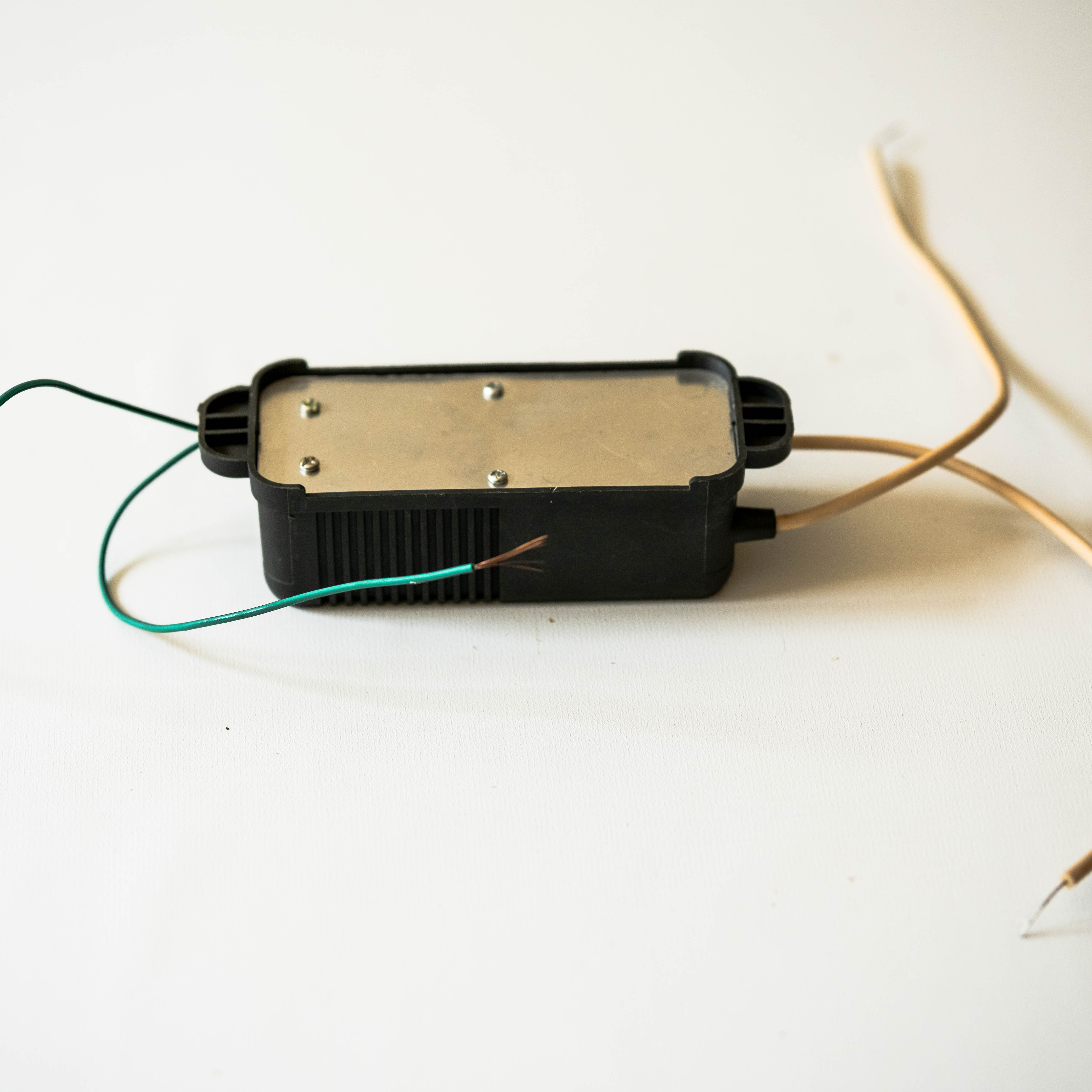
Installing a big power transformer demands coordinated controls for electrical hazards, heavy lifting, site access, and commissioning. The first priority is a documented work plan led by qualified personnel, with responsibilities, isolation points, and emergency actions confirmed before equipment arrives. A big ozone generator is not a transformer, so this guide distinguishes the two rather than treating their hazards as interchangeable.
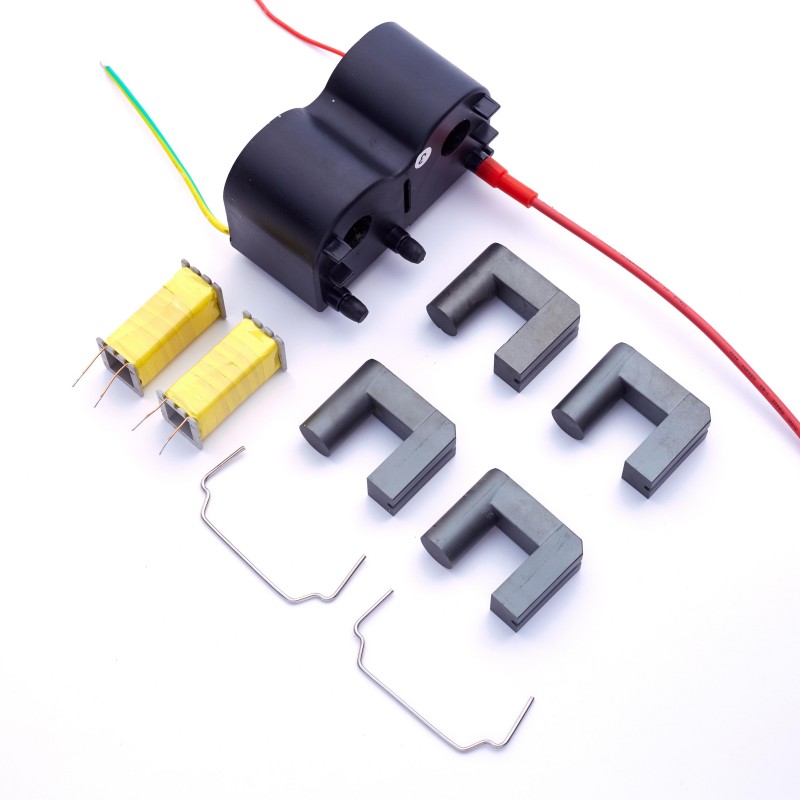
A big ozone generator may operate elsewhere in the same industrial facility, but it does not change the transformer installation sequence or replace electrical precautions. Keep equipment boundaries clear, coordinate simultaneous work, and assess each system under its own procedures. For transformer projects, the safest decisions begin with engineering documents, a controlled work area, and explicit authorization to proceed.
Plan the Work and Control the Site
Confirm engineering details and responsibilities
Before delivery, verify the transformer rating, mass, dimensions, lifting points, foundation requirements, clearances, and access route against approved drawings. Assign a competent project lead, electrical authority, lifting supervisor, and commissioning lead, then confirm who can stop work. A big ozone generator elsewhere on site should appear in the coordination plan only where shared access, ventilation, power, or emergency arrangements create an interaction.
Review manufacturer instructions, applicable codes, permits, and site procedures before approving the method statement. Resolve discrepancies in connection diagrams, protective settings, and grounding details with the responsible engineer; never rely on assumptions from a similar installation. If a big ozone generator is operating nearby, identify its isolation and alarm procedures separately, and make sure crews do not confuse its controls with transformer switching equipment.
Prepare access, exclusion zones, and communications
Inspect roads, gates, overhead obstructions, floor capacity, and the prepared foundation before transport begins. Establish barriers around the unloading and installation zone, with controlled entry for trained personnel and a clear route for emergency responders. A big ozone generator should remain within its own restricted area, while site maps distinguish that boundary from the transformer lift zone and energized electrical rooms.
Hold a pre-job briefing covering the lift sequence, hand signals, radio channel, weather limits, stop-work authority, and response to an unexpected load shift. Check that every worker understands the electrical exclusion distances and the designated assembly point. If a big ozone generator is part of adjacent operations, coordinate shift timing and access so its process alarms or maintenance activity cannot distract the lifting team.
Protect People During Delivery and Installation
Manage lifting and mechanical hazards
Use a lift plan prepared for the actual transformer weight, center of gravity, rigging arrangement, and crane configuration. Inspect lifting gear, verify rated capacity, and position the crane on suitable ground with required outrigger support. No one should stand under a suspended load or between the transformer and a fixed object. A big ozone generator does not belong in the lift calculation, but its nearby pipework or cabinets may affect access and must be protected.
Guide the load with suitable tag lines where the plan permits, maintain direct communication between the operator and signal person, and pause if visibility or wind conditions exceed approved limits. Keep transport restraints in place until the load is stable and the lift supervisor authorizes their removal. A big ozone generator enclosure or service route should not be used as a staging point, tie-off location, or improvised barrier during transformer handling.
Apply electrical isolation and personal protection
Treat conductors and terminals as energized until an authorized person isolates all relevant sources, applies lockout and tagout, verifies absence of voltage with an approved tester, and grounds the equipment where required. Include backfeed, induced voltage, control circuits, and stored energy in the assessment. A big ozone generator may have separate electrical feeds, so its isolation cannot establish a safe condition for transformer work or vice versa.
Select arc-rated clothing, insulated tools, gloves, eye protection, and other PPE according to the documented risk assessment and task. Maintain approach boundaries, use barriers, and restrict switching to authorized staff following approved procedures. When a big ozone generator is nearby, review its own electrical and process hazards with the relevant operator; do not assume transformer PPE alone addresses ozone exposure or equipment-specific risks.
Verify Connections and Commission Safely
Inspect grounding, cabling, and fluids
Before making connections, inspect the foundation, enclosure, bushings, cables, terminations, and accessories for damage or contamination. Confirm that grounding and bonding match the approved design, and check phase identification and termination torque using specified tools and values. A big ozone generator has different connection requirements, so keep its wiring diagrams and labels separate from transformer records to prevent cross-identification during installation.
Where the transformer uses insulating liquid, follow approved handling, containment, and spill-response procedures, including suitable protection for workers and the environment. Keep ignition sources controlled where relevant, and verify that drains and spill equipment are ready. A big ozone generator may require ventilation and exposure controls under its own procedures; coordinate those controls without substituting them for transformer liquid containment or fire planning.
Control energization and closeout
Before energization, complete the required inspection and test records, confirm protection settings, verify clearances, and ensure temporary grounds and tools are accounted for. The responsible electrical authority should approve the switching sequence and notify affected personnel. A big ozone generator should be considered in the site-wide notification plan only if energization could affect its supply, process, or access; document the interface rather than making informal assumptions.
Energize in the approved sequence, keep nonessential personnel outside the controlled area, and monitor for abnormal sound, odor, vibration, temperature, leakage, or protective trips. Stop and investigate any unexpected condition instead of repeatedly resetting protection. Record results, outstanding issues, and handover responsibilities. If a big ozone generator shares the facility, communicate the transformer status to its operator and maintain separate operating instructions.
FAQ
Who should supervise transformer installation?
A competent project lead should coordinate qualified electrical personnel, the lifting supervisor, and commissioning authority. A big ozone generator operator may join coordination when work affects shared access or systems, but cannot replace the transformer electrical authority.
Can nearby process equipment remain in operation?
Only after a documented assessment confirms safe separation, access, and emergency arrangements. A big ozone generator may continue operating if its procedures and the transformer work plan permit it, but uncertainty calls for coordination or a controlled shutdown.
What must be checked before energization?
Confirm inspection records, approved tests, grounding, protection settings, clear work areas, and authorization for the switching sequence. Keep big ozone generator records distinct, and verify any shared-system interfaces before energizing the transformer.