
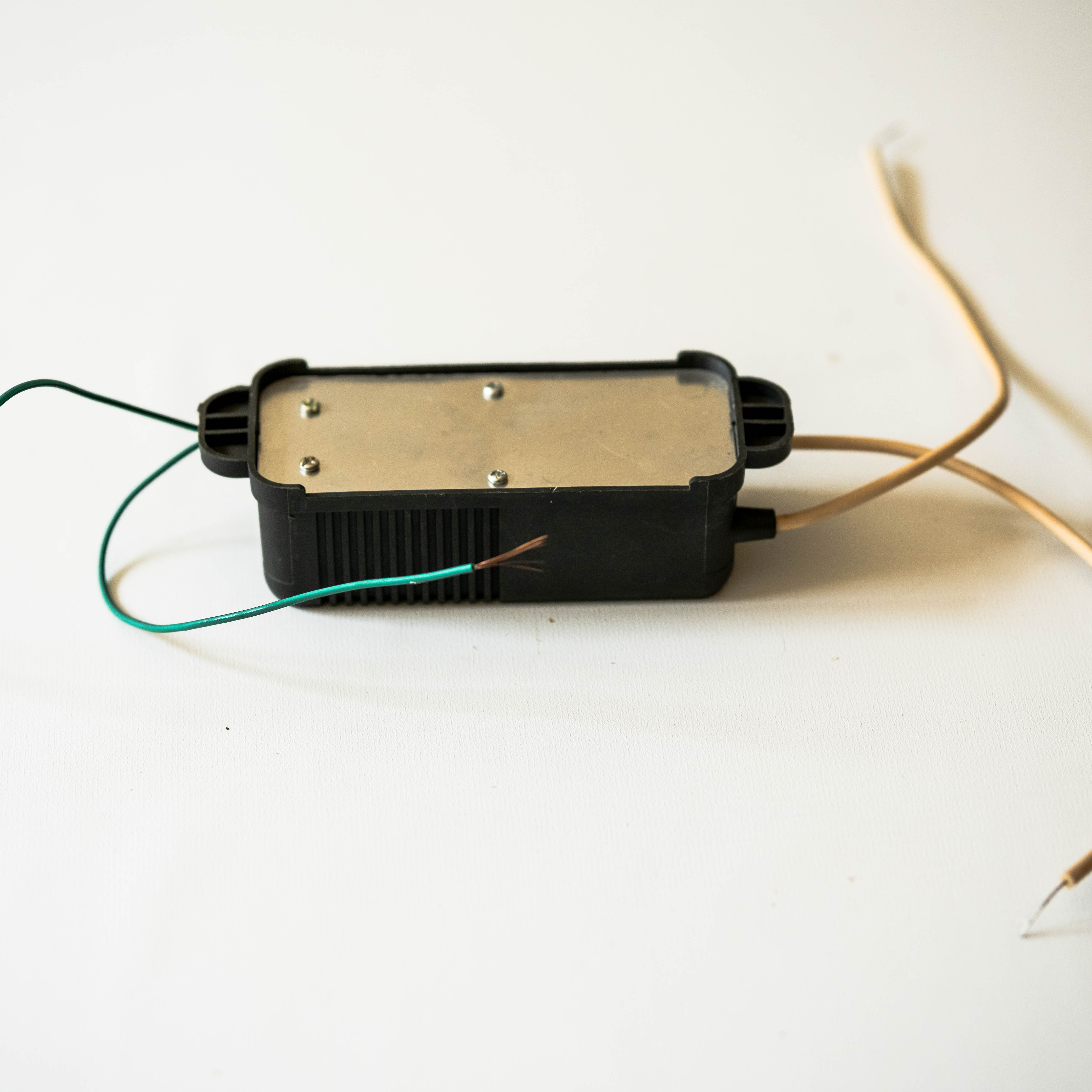
Choosing an industrial high-voltage transformer means matching its electrical output and operating characteristics to the equipment it will serve. For a big ozone generator, the transformer must support the discharge process reliably while fitting the generator’s power supply, electrode design, and operating schedule. Start with application requirements, not a headline power rating, because a mismatch can affect output stability, service life, and safety.
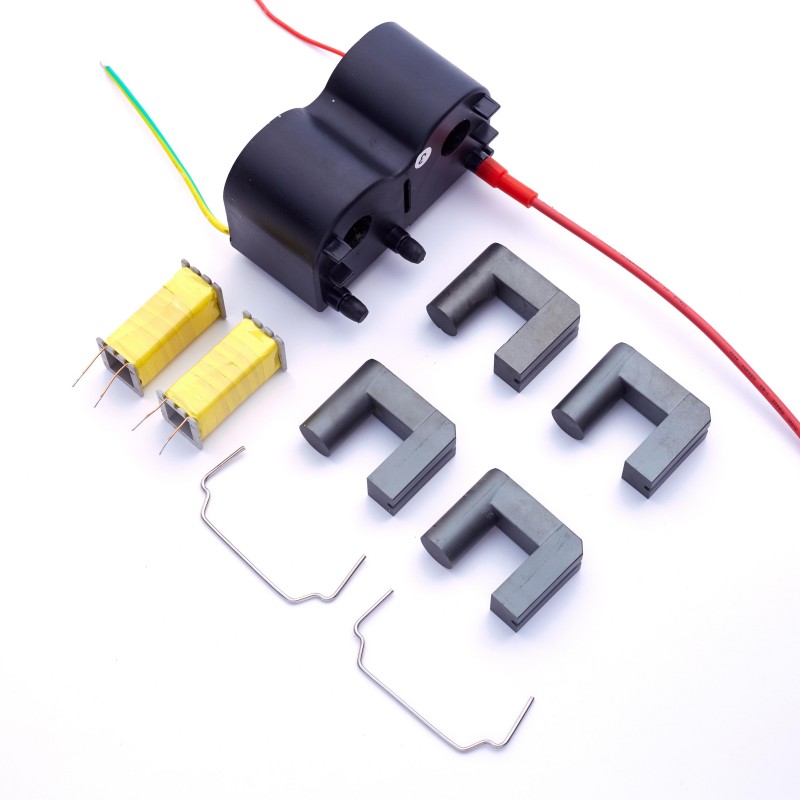
A sound selection process begins by defining the load, required high-voltage behavior, and site conditions. A big ozone generator may run continuously in water treatment, or intermittently in a process line, so the same transformer specification will not suit every installation. This guide explains the practical checks that help engineers compare transformer options and identify questions to resolve before purchase.
Define the electrical requirements first
Match output to the generator load
Begin with the generator manufacturer’s input and output requirements, including voltage range, current, frequency, and permitted operating mode. A big ozone generator relies on a high-voltage field across a discharge gap, and its electrical load can differ from a simple resistive load. Confirm the transformer is designed for that type of duty rather than assuming that a similar voltage rating guarantees compatibility.
Review the power supply and transformer as a connected system. For a big ozone generator, confirm whether the equipment uses alternating current, pulsed output, or a dedicated drive circuit, then check how the transformer responds under the intended waveform. Ask for applicable load data and operating limits, including startup behavior, to avoid choosing a unit that reaches its nominal rating only under unlike test conditions.
Interpret voltage and power ratings together
Voltage determines whether the discharge system can establish its required field, while current and power describe how much electrical energy can be delivered. A big ozone generator should therefore be matched against all relevant ratings, not voltage alone. Check the specified secondary voltage, rated current, output power, and any restrictions on continuous operation so that each figure corresponds to the intended application.
Do not add arbitrary capacity as a substitute for engineering review. Excess capacity may raise cost or create control and integration issues, while insufficient capacity can limit operation or increase thermal stress. For a big ozone generator, compare the transformer’s documented operating envelope with the generator’s normal and peak requirements, and have qualified personnel verify any margin needed for process variation.
Evaluate operating conditions and construction
Account for duty cycle and cooling
The duty cycle is a key selection factor because an industrial process may ask equipment to operate for long periods with few interruptions. Identify expected run time, starts per hour, ambient temperature, and available ventilation. A big ozone generator used on a continuous treatment line places different demands on thermal management from a unit used in occasional batch treatment, even when their nominal power levels appear similar.
Check the transformer’s cooling method and installation instructions against the enclosure and room layout. Restricted airflow, dust, moisture, or nearby heat sources can affect operating conditions. When integrating a big ozone generator, verify clearances and environmental limits with the equipment documentation, and establish how temperature will be monitored during commissioning. These checks help prevent avoidable overheating and make maintenance planning more realistic.
Check insulation and the installation environment
High-voltage equipment needs insulation appropriate to its rated output and actual environment. Review insulation system details, creepage and clearance requirements, enclosure protection, and any grounding instructions supplied for the installation. A big ozone generator may operate near humid process areas or water-treatment equipment, so assess the location carefully instead of assuming that a general indoor rating covers every exposure.
Ozone exposure, moisture, contaminants, and electrical transients can all influence component selection and placement. Confirm whether the transformer is separated from the ozone chamber, what materials are exposed to process gas, and how cables are routed and protected. For a big ozone generator, these practical details belong in the design review alongside voltage and power; they are not minor finishing decisions.
Verify integration, safety, and lifecycle fit
Plan controls and protection as a system
A transformer should integrate with the generator’s control scheme and protective devices. Confirm how the system handles overloads, short circuits, abnormal temperature, loss of airflow, and unexpected shutdowns. The big ozone generator and its high-voltage supply need coordinated protection so that a fault does not leave energized components or create an uncontrolled process condition.
Clarify which components provide current limiting, monitoring, and isolation, and who is responsible for each function. Review wiring diagrams and terminal arrangements before installation, then ensure maintenance access does not expose personnel to energized parts. If a big ozone generator uses a specialist controller, verify compatibility with the transformer rather than assuming that separate component ratings establish safe system operation.
Assess serviceability and confirm the final specification
Consider service access, replacement procedures, documentation, and the consequences of downtime. A big ozone generator in a critical process may require a maintenance plan that accounts for inspection intervals and the availability of qualified electrical technicians. Ask for a complete specification sheet and clarify operating limits, connection details, environmental conditions, and any exclusions before approving the design.
Before final selection, compare the documented requirements with the actual site conditions and intended workload. The big ozone generator transformer choice should be validated against the ozone equipment’s technical documentation, not selected by a product label alone. Record the approved ratings and protection arrangement so procurement, installation, and commissioning teams work from the same basis.
FAQ
What transformer information should I confirm first?
Confirm voltage, current, power, frequency, waveform, and operating mode against the generator documentation. For a big ozone generator, verify the load characteristics and continuous-duty requirements too, since a voltage match alone cannot establish that the transformer is suitable for the application.
Can one transformer serve every big ozone generator?
No. Generator designs, discharge systems, power supplies, and operating schedules vary. A big ozone generator may require different output behavior or thermal capacity from another model, so selection should follow its specific electrical ratings, controls, and site conditions rather than a general rule.
When should a qualified engineer review the choice?
Involve a qualified engineer when interpreting high-voltage ratings, coordinating protection, or adapting equipment to a particular site. For a big ozone generator, engineering review is especially important where moisture, ozone exposure, continuous operation, or complex controls affect installation and safe maintenance.