
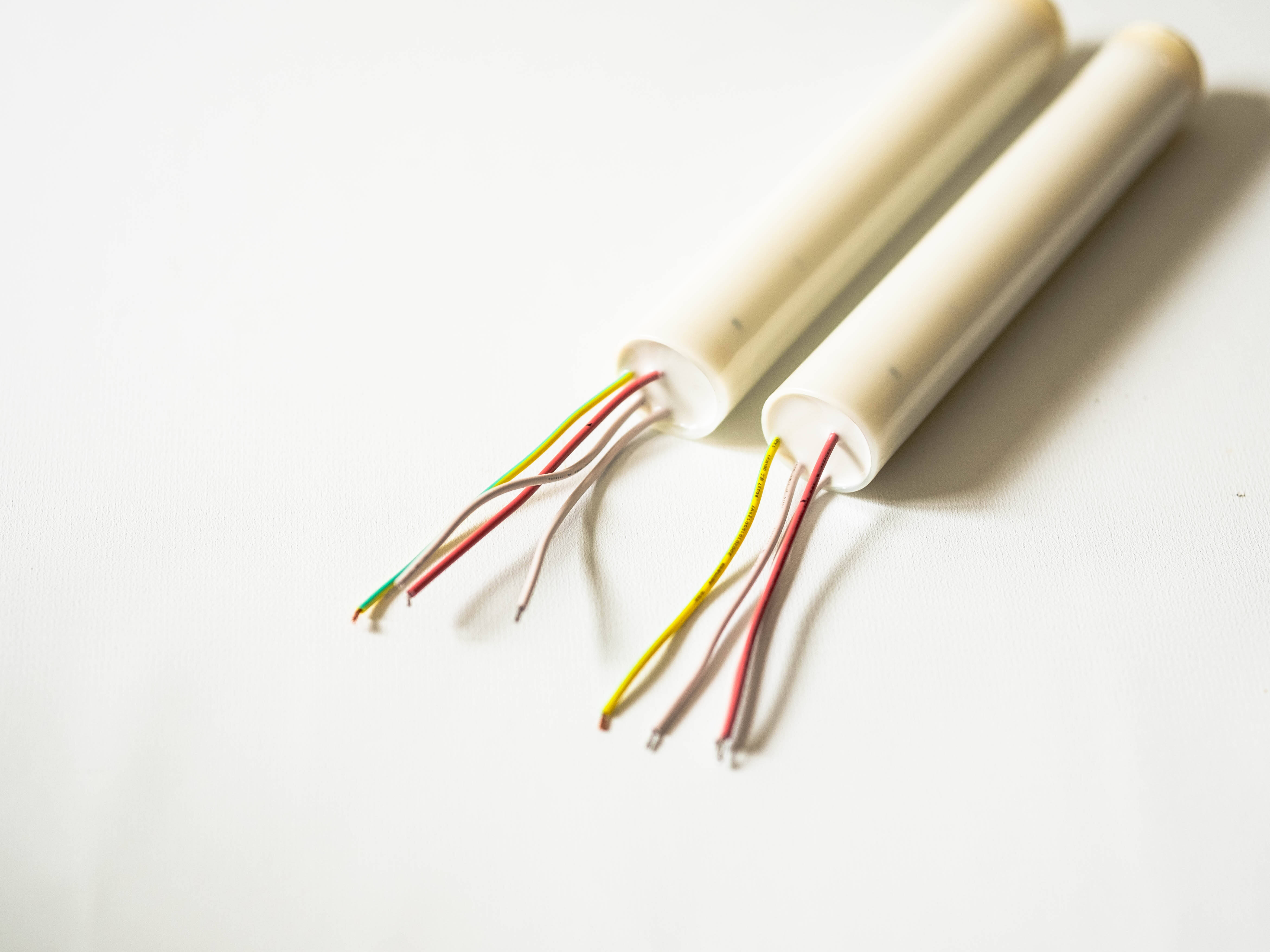
Selecting the appropriate high voltage module for industrial applications requires careful consideration of multiple technical and operational factors that directly impact system performance, safety, and long-term reliability. The decision process involves analyzing power requirements, environmental conditions, regulatory compliance needs, and integration capabilities to ensure the chosen high voltage module meets specific industrial demands while maintaining cost-effectiveness and operational efficiency.

Industrial high voltage modules serve critical functions across manufacturing processes, from electrostatic coating and precipitation to material handling and process control systems. The selection methodology must account for both immediate operational needs and future scalability requirements, ensuring the high voltage module delivers consistent performance under varying load conditions while meeting stringent safety standards required in industrial environments.
Understanding Industrial High Voltage Module Requirements
Power Output Specifications and Load Characteristics
The primary consideration when selecting a high voltage module involves determining the exact power output requirements for your specific industrial application. Industrial processes typically demand consistent voltage levels ranging from several kilovolts to hundreds of kilovolts, depending on the application type. Manufacturing environments require high voltage modules that can maintain stable output under dynamic load conditions, including sudden load changes that occur during production cycles.
Load characteristics significantly influence high voltage module selection, as different industrial processes present varying impedance profiles and current requirements. Electrostatic spray coating systems, for example, require high voltage modules capable of delivering consistent voltage with minimal current fluctuation, while electrostatic precipitation applications may need modules that can handle higher current loads with precise voltage control. Understanding these load dynamics ensures the selected high voltage module operates within optimal efficiency ranges.
Peak power requirements often exceed steady-state demands in industrial applications, necessitating high voltage modules with adequate reserve capacity to handle transient conditions without compromising system stability. This reserve capacity consideration becomes particularly critical in automated production lines where unexpected load variations can occur due to material property changes or process parameter adjustments.
Environmental Operating Conditions
Industrial environments present challenging operating conditions that directly impact high voltage module performance and longevity. Temperature extremes, humidity variations, electromagnetic interference, and mechanical vibrations all influence module selection criteria. High voltage modules designed for industrial use must demonstrate proven performance across specified temperature ranges while maintaining electrical specifications and safety margins.
Contamination resistance represents another crucial environmental factor, as industrial atmospheres often contain particulate matter, chemical vapors, and corrosive elements that can degrade electrical components over time. The chosen high voltage module should incorporate appropriate protection measures, including sealed enclosures, conformal coatings, and robust insulation systems that prevent contamination-related failures.
Electromagnetic compatibility becomes increasingly important in modern industrial facilities where multiple electronic systems operate in close proximity. The selected high voltage module must demonstrate compliance with relevant EMC standards while minimizing electromagnetic emissions that could interfere with adjacent equipment or control systems.
Technical Performance Criteria
Voltage Stability and Regulation Accuracy
Voltage stability directly impacts product quality and process consistency in industrial applications, making regulation accuracy a primary selection criterion for high voltage modules. Industrial processes often require voltage regulation within tight tolerances, typically ranging from one to five percent of the nominal output voltage. This precision ensures consistent results across production runs while minimizing product defects and process variations.
Load regulation characteristics determine how well a high voltage module maintains output voltage as current demands change during normal operation. Superior load regulation prevents voltage droops that can compromise process effectiveness, particularly in applications where maintaining consistent electrical field strength is critical for product quality. The selected high voltage module should demonstrate excellent load regulation across the full operating range.
Line regulation capabilities ensure stable output voltage despite variations in input power supply conditions, which commonly occur in industrial facilities due to equipment cycling and grid fluctuations. A high voltage module with robust line regulation maintains consistent performance regardless of input voltage variations, reducing the need for additional power conditioning equipment.
Response Time and Control Capabilities
Dynamic response characteristics become crucial in industrial applications where rapid voltage adjustments are required to accommodate changing process conditions or automated control sequences. Fast response times enable precise process control while reducing settling periods that can impact production throughput. The selected high voltage module should provide response times compatible with process control requirements.
Control interface compatibility ensures seamless integration with existing industrial control systems, including programmable logic controllers, supervisory control systems, and human-machine interfaces. Modern high voltage modules often provide multiple control options, including analog voltage control, digital communication protocols, and remote monitoring capabilities that enhance operational flexibility.
Feedback and monitoring capabilities enable real-time process optimization and predictive maintenance strategies. High voltage modules equipped with comprehensive monitoring functions provide valuable operational data that supports continuous improvement initiatives while enabling proactive maintenance scheduling to minimize unplanned downtime.
Safety and Compliance Considerations
Regulatory Standards and Certifications
Industrial high voltage module selection must prioritize compliance with relevant safety standards and regulatory requirements that govern electrical equipment operation in manufacturing environments. International standards such as IEC 61010 for measurement and laboratory equipment, along with regional certifications like CE marking or UL listing, provide essential safety assurance for industrial installations.
Workplace safety regulations often mandate specific protection features for high voltage equipment, including emergency shutdown capabilities, personnel protection measures, and hazard identification systems. The chosen high voltage module should incorporate these safety features as integral design elements rather than aftermarket additions, ensuring comprehensive protection throughout the equipment lifecycle.
Industry-specific standards may impose additional requirements for high voltage modules used in particular applications. Food processing facilities, pharmaceutical manufacturing, and hazardous location installations each present unique compliance challenges that must be addressed through appropriate high voltage module selection and installation practices.
Protection Systems and Fail-Safe Features
Overcurrent protection mechanisms prevent equipment damage and safety hazards when fault conditions occur within the high voltage circuit or connected load equipment. Advanced high voltage modules incorporate multiple protection layers, including current limiting, short-circuit protection, and arc detection systems that provide comprehensive fault response capabilities.
Thermal protection systems monitor internal component temperatures and implement protective actions when thermal limits are approached, preventing damage that could result in safety hazards or extended downtime. Effective thermal management extends high voltage module service life while maintaining consistent performance under varying ambient conditions.
Ground fault detection capabilities identify insulation failures that could create safety hazards or equipment damage, enabling prompt corrective action before serious incidents occur. This protection feature becomes particularly important in industrial environments where equipment accessibility may be limited and fault detection relies on automated monitoring systems.
Integration and Maintenance Factors
System Compatibility and Installation Requirements
Mechanical integration considerations include mounting options, space requirements, and accessibility needs that facilitate proper installation and future maintenance activities. The selected high voltage module should accommodate existing facility constraints while providing adequate clearances for safe operation and service access. Physical dimensions and weight limitations may restrict available options in retrofit applications.
Electrical integration requirements encompass input power specifications, control signal compatibility, and output connection methods that must align with existing infrastructure and equipment designs. Standardized interfaces simplify installation while reducing the likelihood of connection errors that could compromise system performance or safety.
Cooling requirements significantly impact installation complexity and operating costs, particularly for high-power high voltage modules that generate substantial heat during normal operation. Air-cooled designs offer installation simplicity but may require additional ventilation considerations, while liquid-cooled systems provide superior thermal management at the cost of increased installation complexity.
Maintenance Accessibility and Service Support
Preventive maintenance requirements directly influence total cost of ownership and operational reliability for industrial high voltage modules. Designs that minimize maintenance needs through robust component selection and proven reliability reduce both direct maintenance costs and production interruptions associated with scheduled service activities.
Service accessibility features enable efficient troubleshooting and repair procedures when maintenance activities are required, reducing both service time and associated production losses. High voltage modules with comprehensive diagnostic capabilities and accessible service points minimize the expertise required for routine maintenance while ensuring safe service procedures.
Manufacturer support availability, including technical assistance, spare parts availability, and service documentation quality, influences long-term operational success and equipment lifecycle management. Established manufacturers with comprehensive support networks provide greater assurance of continued product support throughout the equipment service life.
Cost Analysis and Selection Methodology
Total Cost of Ownership Evaluation
Initial purchase price represents only one component of total ownership costs for industrial high voltage modules, with operating expenses, maintenance costs, and productivity impacts contributing significantly to lifecycle economics. Energy efficiency directly impacts operating costs, particularly for continuous-duty applications where power consumption represents a substantial ongoing expense over the equipment service life.
Reliability-related costs include both direct maintenance expenses and indirect costs associated with production disruptions during equipment failures or scheduled maintenance activities. High voltage modules with superior reliability records and longer service intervals provide economic advantages that often justify higher initial investments through reduced lifecycle costs.
Performance-related productivity impacts can significantly influence economic justification for high voltage module selection, particularly in applications where improved process control or enhanced product quality directly translate to increased revenue or reduced waste. These productivity benefits often represent the largest economic impact factor in industrial applications.
Vendor Selection and Procurement Strategy
Vendor evaluation criteria should encompass technical capabilities, manufacturing quality systems, financial stability, and support infrastructure that ensure successful long-term partnerships. Established suppliers with proven track records in industrial high voltage applications provide greater assurance of product performance and ongoing support availability.
Procurement timing considerations may influence available options and pricing, particularly for custom or specialized high voltage modules that require extended manufacturing lead times. Early supplier engagement enables design optimization opportunities while ensuring adequate delivery schedules for project requirements.
Contract terms and warranty provisions provide important protection against performance deficiencies and premature failures that could impact project success and ongoing operations. Comprehensive warranties and clear performance guarantees reduce procurement risks while establishing accountability for long-term equipment performance.
FAQ
What voltage range should I consider for industrial coating applications?
Industrial coating applications typically require high voltage modules capable of delivering 20 to 100 kilovolts, depending on the coating material, substrate characteristics, and desired finish quality. Electrostatic spray coating generally operates in the 40-80 kV range, while powder coating systems may require 60-100 kV for optimal transfer efficiency. The specific voltage requirement depends on material properties, application distance, and desired coating thickness uniformity.
How do I determine the appropriate power rating for my high voltage module?
Power rating determination requires analysis of both steady-state and peak current requirements for your specific application. Calculate the maximum continuous current draw during normal operation, then add a safety margin of 20-30% to account for process variations and component aging. Consider transient current demands during startup or load changes, as these may exceed steady-state requirements significantly. The selected high voltage module should handle peak demands without entering protective shutdown modes.
What environmental protection features are essential for industrial high voltage modules?
Essential environmental protection includes IP65 or higher ingress protection ratings to prevent contamination from dust and moisture common in industrial environments. Temperature compensation circuits maintain stable output across operating temperature ranges typically from -10°C to +60°C. Vibration resistance, electromagnetic interference shielding, and corrosion-resistant materials ensure reliable operation in harsh industrial conditions. Consider additional protection for chemically aggressive environments or extreme temperature applications.
How important is remote monitoring capability for industrial high voltage modules?
Remote monitoring capabilities provide significant operational advantages in industrial applications by enabling real-time performance tracking, predictive maintenance scheduling, and rapid fault diagnosis. Modern high voltage modules with integrated monitoring reduce unplanned downtime by 25-40% through early fault detection and trending analysis. Communication protocols like Modbus, Ethernet/IP, or Profinet enable seamless integration with plant control systems for comprehensive process monitoring and optimization.
Table of Contents
- Understanding Industrial High Voltage Module Requirements
- Technical Performance Criteria
- Safety and Compliance Considerations
- Integration and Maintenance Factors
- Cost Analysis and Selection Methodology
-
FAQ
- What voltage range should I consider for industrial coating applications?
- How do I determine the appropriate power rating for my high voltage module?
- What environmental protection features are essential for industrial high voltage modules?
- How important is remote monitoring capability for industrial high voltage modules?