
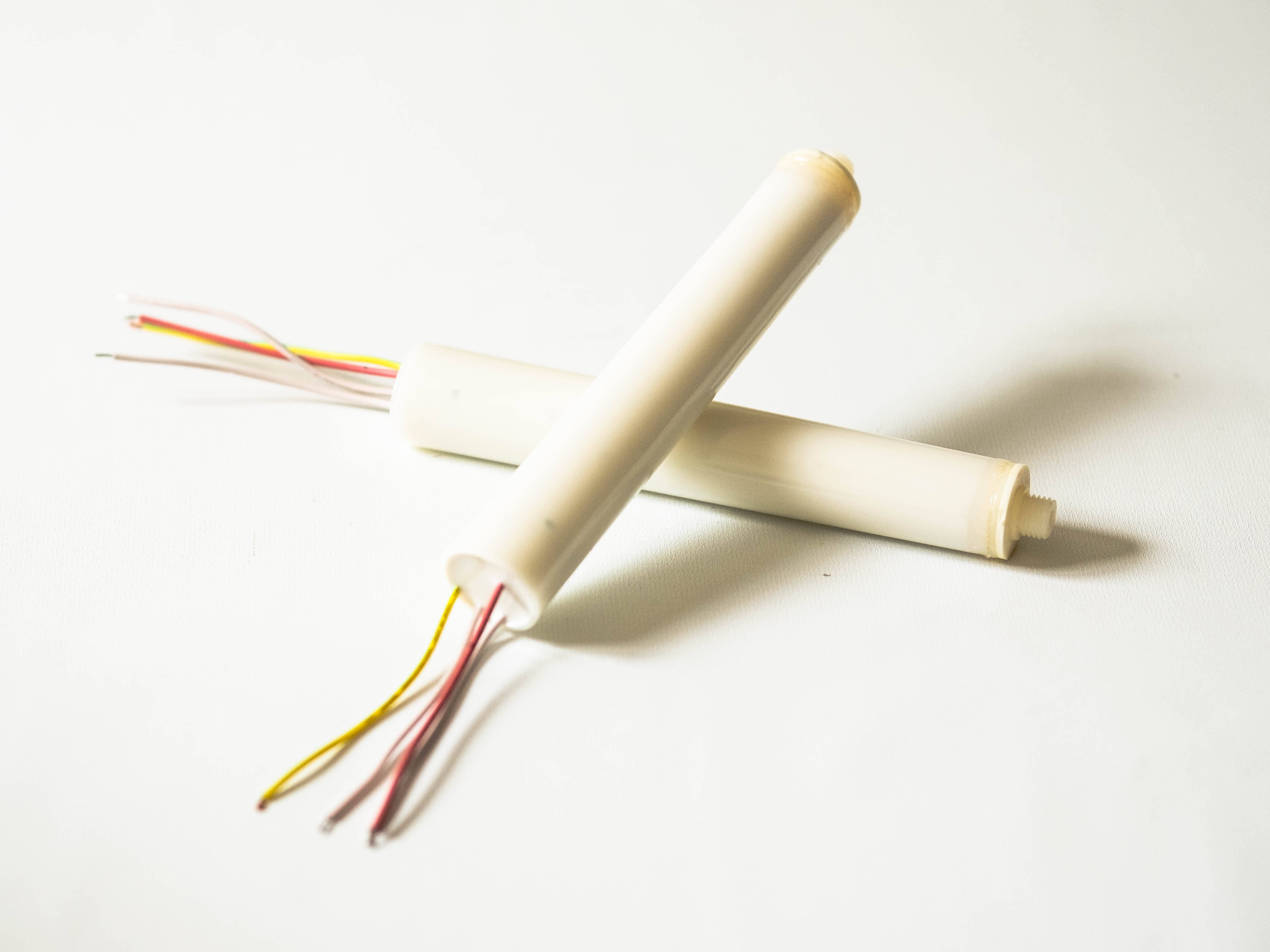
High voltage modules are critical components in various industrial applications, from electrostatic spraying systems to medical equipment and scientific instruments. When these sophisticated devices malfunction, they can bring entire production lines to a halt, causing significant downtime and financial losses. Understanding the common faults that plague high voltage module systems is essential for maintenance professionals, engineers, and operators who rely on consistent high voltage performance for their operations.
The complexity of high voltage module circuitry means that failures can stem from various sources, ranging from component degradation and environmental factors to improper installation and operational stress. Identifying these faults quickly and implementing effective troubleshooting strategies can mean the difference between minor maintenance and costly equipment replacement. This comprehensive guide explores the most frequent high voltage module problems encountered in industrial settings and provides practical troubleshooting approaches that maintenance teams can implement immediately.
Power Supply and Voltage Regulation Faults
Input Power Fluctuations and Instabilities
One of the most common issues affecting high voltage module performance involves inconsistent input power supply. When the primary power source experiences voltage fluctuations, harmonics, or electrical noise, the high voltage module cannot maintain stable output characteristics. These fluctuations often manifest as erratic voltage output, reduced efficiency, or complete module shutdown. Industrial environments frequently experience power quality issues due to heavy machinery startup, welding operations, or grid instabilities that directly impact high voltage module operation.
Troubleshooting input power problems begins with comprehensive power quality analysis using oscilloscopes and power analyzers. Technicians should measure input voltage stability, frequency variations, and harmonic distortion levels at the high voltage module terminals. Installing power conditioning equipment such as voltage regulators, harmonic filters, or uninterruptible power supplies can resolve many input-related faults. Additionally, ensuring proper grounding and implementing electromagnetic interference shielding around the high voltage module installation area prevents external electrical noise from disrupting normal operation.
Voltage Regulation Circuit Malfunctions
The voltage regulation circuitry within a high voltage module is responsible for maintaining precise output voltage levels despite varying load conditions and input fluctuations. When these circuits fail, the module may produce voltage outputs that are too high, too low, or highly unstable. Common causes include aging feedback components, damaged voltage reference circuits, or malfunctioning control loops that cannot properly adjust the high voltage module output.
Effective troubleshooting of voltage regulation faults requires systematic testing of the feedback control system. Technicians should verify the accuracy of voltage sensing circuits, test reference voltage stability, and examine the response characteristics of the control loop. Using precision voltage meters and signal generators, maintenance personnel can inject known signals into the regulation circuit to isolate faulty components. Replacing degraded operational amplifiers, voltage references, or feedback resistors often restores proper high voltage module regulation performance.
Component Degradation and Failure Modes
Transformer and Magnetic Component Issues
High voltage modules rely heavily on specialized transformers and magnetic components to achieve voltage step-up and isolation. These components are particularly susceptible to insulation breakdown, winding failures, and core saturation problems. Transformer failures in a high voltage module often result from excessive temperature cycling, moisture ingress, or electrical stress beyond design specifications. When transformer insulation degrades, partial discharge activity begins, eventually leading to complete breakdown and module failure.
Diagnosing transformer problems requires specialized testing equipment including insulation resistance meters, partial discharge detectors, and impedance analyzers. Technicians should measure primary and secondary winding resistance, test insulation integrity at various voltage levels, and monitor for partial discharge activity. Visual inspection of the transformer housing can reveal signs of overheating, oil leakage, or physical damage. When transformer replacement becomes necessary, ensuring the new component matches the original high voltage module specifications is critical for maintaining performance and safety standards.
Capacitor Degradation and Failure
Capacitors in high voltage module circuits serve multiple functions including energy storage, filtering, and voltage multiplication. These components are among the most failure-prone elements due to their exposure to high electrical stress, temperature cycling, and aging effects. Electrolytic capacitors are particularly vulnerable to capacitance loss, increased equivalent series resistance, and eventual failure. When capacitors degrade in a high voltage module, the symptoms typically include reduced output voltage, increased ripple, and poor load regulation.
Capacitor testing should be performed with the high voltage module completely de-energized and capacitors safely discharged. Using capacitance meters, ESR analyzers, and leakage current testers, technicians can evaluate capacitor health without removing components from the circuit. Visual inspection often reveals bulged or leaking electrolytic capacitors that require immediate replacement. When replacing capacitors, selecting components with appropriate voltage ratings, temperature specifications, and lifetime characteristics ensures reliable high voltage module operation.
Environmental and Operating Condition Faults
Temperature-Related Performance Degradation
Temperature extremes significantly impact high voltage module reliability and performance. Excessive heat accelerates component aging, reduces insulation effectiveness, and can cause thermal runaway conditions. Conversely, extremely cold temperatures can affect semiconductor characteristics, reduce capacitor performance, and cause mechanical stress due to thermal expansion differences. Many high voltage module failures occur during temperature transitions when components experience maximum thermal stress.
Temperature-related troubleshooting requires comprehensive thermal analysis using infrared cameras, thermocouples, and ambient temperature monitoring. Technicians should identify hot spots within the high voltage module, verify cooling system operation, and ensure adequate ventilation around the installation. Implementing temperature monitoring systems with alarm functions allows operators to detect thermal problems before they cause permanent damage. Proper thermal management through heat sinks, fans, or environmental control systems prevents many temperature-related high voltage module failures.
Contamination and Environmental Exposure
Industrial environments expose high voltage modules to various contaminants including dust, moisture, chemical vapors, and conductive particles. These contaminants can create conductive paths across insulators, cause corrosion of electrical connections, and interfere with component cooling. Moisture ingress is particularly problematic as it reduces insulation effectiveness and can cause flashover or tracking across high voltage surfaces.
Environmental troubleshooting begins with thorough visual inspection of the high voltage module enclosure and internal components. Look for signs of moisture damage, corrosion, dust accumulation, or chemical residues that might affect operation. Cleaning procedures should use appropriate solvents and techniques that do not damage sensitive components or create additional contamination. Installing proper environmental sealing, filtration systems, and moisture control measures prevents many contamination-related failures in high voltage module installations.
Load and Application-Specific Problems
Load Mismatch and Overcurrent Conditions
High voltage modules must operate within specific load impedance ranges to maintain stable output and prevent damage. When the connected load presents impedance characteristics outside the design parameters, the high voltage module may experience overcurrent conditions, voltage instability, or protection circuit activation. Arc loads, capacitive loads, or short circuits can stress the high voltage module beyond its safe operating limits, leading to component failure or reduced lifetime.
Load-related troubleshooting requires careful analysis of the complete electrical circuit including the high voltage module and its connected load. Using current probes, voltage measurements, and impedance analyzers, technicians can characterize the actual load conditions and compare them to the module specifications. Installing current limiting circuits, arc detection systems, or load monitoring equipment helps protect the high voltage module from damaging load conditions while providing diagnostic information for troubleshooting purposes.
Application-Specific Interference Issues
Different applications create unique challenges for high voltage module operation. Electrostatic applications may generate back-EMF or create feedback loops that interfere with voltage regulation. Medical applications require extremely low leakage currents and high isolation. Scientific instruments demand exceptional stability and low noise characteristics. Understanding these application-specific requirements is essential for effective troubleshooting when standard diagnostic approaches fail to identify the root cause.
Application-specific troubleshooting often requires specialized test equipment and measurement techniques tailored to the particular use case. For electrostatic applications, measuring charge delivery, monitoring for corona discharge, and analyzing electrode configurations helps identify performance issues. In each case, the troubleshooting approach must consider both the high voltage module characteristics and the unique demands of the specific application to achieve effective problem resolution.
FAQ
How can I quickly identify if my high voltage module is failing?
The most common early warning signs of high voltage module failure include unstable output voltage, unusual noise or arcing sounds, excessive heat generation, and activation of protection circuits. Use a high voltage probe to measure output stability under normal load conditions. If the voltage fluctuates more than 5% or shows signs of instability, investigate further using the troubleshooting methods outlined above.
What safety precautions should I take when troubleshooting high voltage modules?
Always disconnect power and wait for capacitors to discharge completely before beginning any troubleshooting work. Use lockout/tagout procedures and verify zero energy state with appropriate test equipment. Wear proper personal protective equipment including insulated gloves and safety glasses. Never work alone on high voltage module troubleshooting, and ensure emergency procedures are in place before beginning any diagnostic work.
When should I replace a high voltage module versus attempting repair?
Consider replacement when multiple components have failed, when repair costs exceed 60% of replacement cost, or when the high voltage module has experienced catastrophic failure such as transformer breakdown or major circuit board damage. However, single component failures such as capacitors, fuses, or control circuits are often economically repairable if proper replacement parts are available and the root cause has been identified and corrected.
How often should high voltage modules undergo preventive maintenance?
Implement quarterly visual inspections checking for signs of overheating, contamination, or physical damage. Perform annual comprehensive testing including voltage output verification, insulation resistance measurements, and thermal analysis. Critical applications may require monthly monitoring of key parameters. The specific maintenance schedule should be adjusted based on operating environment, duty cycle, and the criticality of the high voltage module to overall system operation.