
Electrostatic spraying represents a revolutionary advancement in coating technology that has transformed manufacturing processes across multiple industries. This sophisticated technique utilizes the fundamental principles of electrical attraction to deliver superior coating results compared to conventional spray methods. By charging paint particles and creating an electric field between the spray gun and the grounded workpiece, electrostatic spraying achieves remarkable improvements in transfer efficiency, coating uniformity, and overall quality. The technology has become indispensable in automotive manufacturing, appliance production, furniture finishing, and countless other applications where precision coating is essential.
Understanding the Science Behind Electrostatic Spraying Technology
Fundamental Principles of Electrostatic Attraction
The core mechanism of electrostatic spraying relies on the basic physics principle that opposite charges attract. When coating material passes through an electrostatic spray gun, it receives a negative electrical charge through a high-voltage electrode system. The target object being coated is electrically grounded, creating a positive charge relative to the negatively charged paint particles. This electrical potential difference generates a strong attractive force that pulls the coating material directly toward the substrate surface, ensuring comprehensive coverage even on complex geometries.
The strength of this electrostatic field can be precisely controlled through voltage regulation systems, typically operating between 60,000 to 100,000 volts. Higher voltages create stronger attraction forces, which can improve coating adhesion and reduce overspray significantly. However, the optimal voltage setting depends on various factors including coating material properties, substrate geometry, and environmental conditions. Modern electrostatic spraying systems incorporate sophisticated control mechanisms that automatically adjust voltage levels to maintain consistent coating quality throughout the application process.
Charge Generation and Transfer Mechanisms
Electrostatic spraying systems employ different methods to impart electrical charge to coating particles. Corona charging represents the most common approach, where high voltage creates an ionization field around the electrode tip. As coating material passes through this field, particles acquire negative charges through ion bombardment. Alternatively, friction charging systems generate static electricity through mechanical contact between the coating material and charging surfaces, though this method is less precise and typically used for powder coating applications.
The charge-to-mass ratio of coating particles significantly influences the effectiveness of electrostatic spraying systems. Particles with optimal charge density experience maximum attraction to the grounded substrate while maintaining proper atomization characteristics. Advanced electrostatic equipment includes monitoring systems that continuously measure charge levels and adjust generation parameters to maintain consistent particle charging throughout the coating process.
Coating Uniformity Improvements Through Electrostatic Technology
Enhanced Coverage on Complex Geometries
Traditional spray coating methods often struggle with uniform coverage on parts featuring recesses, blind holes, and irregular surfaces. Electrostatic spraying overcomes these limitations through the wrap-around effect, where charged particles follow electric field lines to reach areas not directly exposed to the spray pattern. This phenomenon enables coating application inside tubular structures, behind flanges, and within deep cavities that would otherwise require multiple spray passes or manual touch-up work.
The wrap-around capability of electrostatic spraying is particularly valuable in automotive body coating, where complex panel geometries demand complete corrosion protection. Electric field lines naturally curve around edges and into recessed areas, guiding charged coating particles to achieve uniform film thickness even on challenging surfaces. This comprehensive coverage reduces the need for pre-treatment chemicals and eliminates weak points that could lead to coating failure over time.
Reduction of Film Thickness Variations
Conventional spray coating often produces inconsistent film thickness due to variations in spray distance, gun angle, and operator technique. Electrostatic spraying minimizes these variations by creating controlled particle deposition patterns that are less dependent on mechanical spray parameters. The electrical attraction force ensures that coating particles reach the substrate surface regardless of slight variations in application technique or equipment positioning.
Statistical analysis of coating thickness measurements demonstrates that electrostatic spraying typically achieves coefficient of variation values below 10%, compared to 20-30% for conventional spray methods. This improved consistency translates directly into enhanced product quality, reduced material waste, and lower rejection rates during quality control inspections. Manufacturing facilities implementing electrostatic spraying report significant improvements in first-pass quality rates and substantial reductions in rework requirements.
Quality Enhancement Benefits of Electrostatic Coating Systems
Superior Transfer Efficiency and Material Utilization
Transfer efficiency represents one of the most significant advantages of electrostatic spraying technology, with typical efficiency rates ranging from 85% to 95% compared to 30-50% for conventional spray methods. This dramatic improvement results from the electrical attraction that guides coating particles directly to the target surface, minimizing overspray and bounce-back. Higher transfer efficiency translates into substantial material cost savings, reduced environmental impact, and cleaner production environments.
The economic impact of improved transfer efficiency extends beyond material savings to include reduced booth maintenance, lower exhaust filtration costs, and decreased waste disposal expenses. Manufacturing operations utilizing electrostatic spraying report material cost reductions of 40-60% compared to conventional coating methods. These savings often justify the initial investment in electrostatic equipment within 12-18 months of implementation, making the technology highly attractive from both environmental and economic perspectives.
Enhanced Surface Finish Quality and Appearance
Electrostatic spraying produces superior surface finishes characterized by smooth texture, consistent gloss levels, and excellent color uniformity. The controlled particle deposition process minimizes texture variations that commonly occur with conventional spray methods, resulting in high-quality finishes that meet demanding aesthetic requirements. The electrical field ensures that particles arrive at the surface with uniform energy levels, promoting better flow and leveling characteristics in the wet film.
Advanced electrostatic spraying systems incorporate pulse-width modulation and variable voltage controls that enable precise adjustment of coating characteristics for specific finish requirements. These capabilities allow operators to optimize surface texture, gloss retention, and color matching while maintaining the fundamental benefits of electrostatic application. The technology proves particularly valuable for high-visibility applications where consistent appearance is critical for product acceptance and brand reputation.
Industrial Applications and Implementation Considerations
Automotive Manufacturing Applications
The automotive industry represents the largest consumer of electrostatic spraying technology, utilizing these systems for primer, basecoat, and clearcoat applications throughout vehicle production. Modern automotive paint shops incorporate sophisticated electrostatic systems that can handle multiple coating types and colors while maintaining precise application parameters. The technology enables manufacturers to achieve the demanding quality standards required for automotive finishes while maximizing production efficiency and minimizing environmental impact.
Robotic electrostatic spraying systems have become standard equipment in automotive manufacturing, offering precise repeatability and consistent quality across millions of parts. These automated systems incorporate advanced path planning algorithms that optimize spray patterns for maximum transfer efficiency while ensuring complete coverage on complex vehicle geometries. The integration of electrostatic spraying with robotic automation has enabled automotive manufacturers to achieve unprecedented levels of quality consistency and production throughput.
Industrial Equipment and Appliance Coating
Electrostatic spraying technology has found widespread adoption in appliance manufacturing, where consistent appearance and durable finishes are essential for consumer acceptance. Kitchen appliances, HVAC equipment, and industrial machinery benefit from the superior coverage and quality characteristics of electrostatic coating systems. The technology proves particularly valuable for coating large flat surfaces where conventional methods often produce visible spray patterns or thickness variations.
Metal furniture manufacturers have embraced electrostatic spraying for both functional and aesthetic coating applications. The wrap-around effect enables complete coverage of tubular frames and complex geometries without requiring elaborate masking or multiple spray passes. This capability has revolutionized furniture finishing operations, enabling manufacturers to achieve high-quality results while maintaining competitive production costs and delivery schedules.
System Components and Technology Specifications
High-Voltage Power Supply Systems
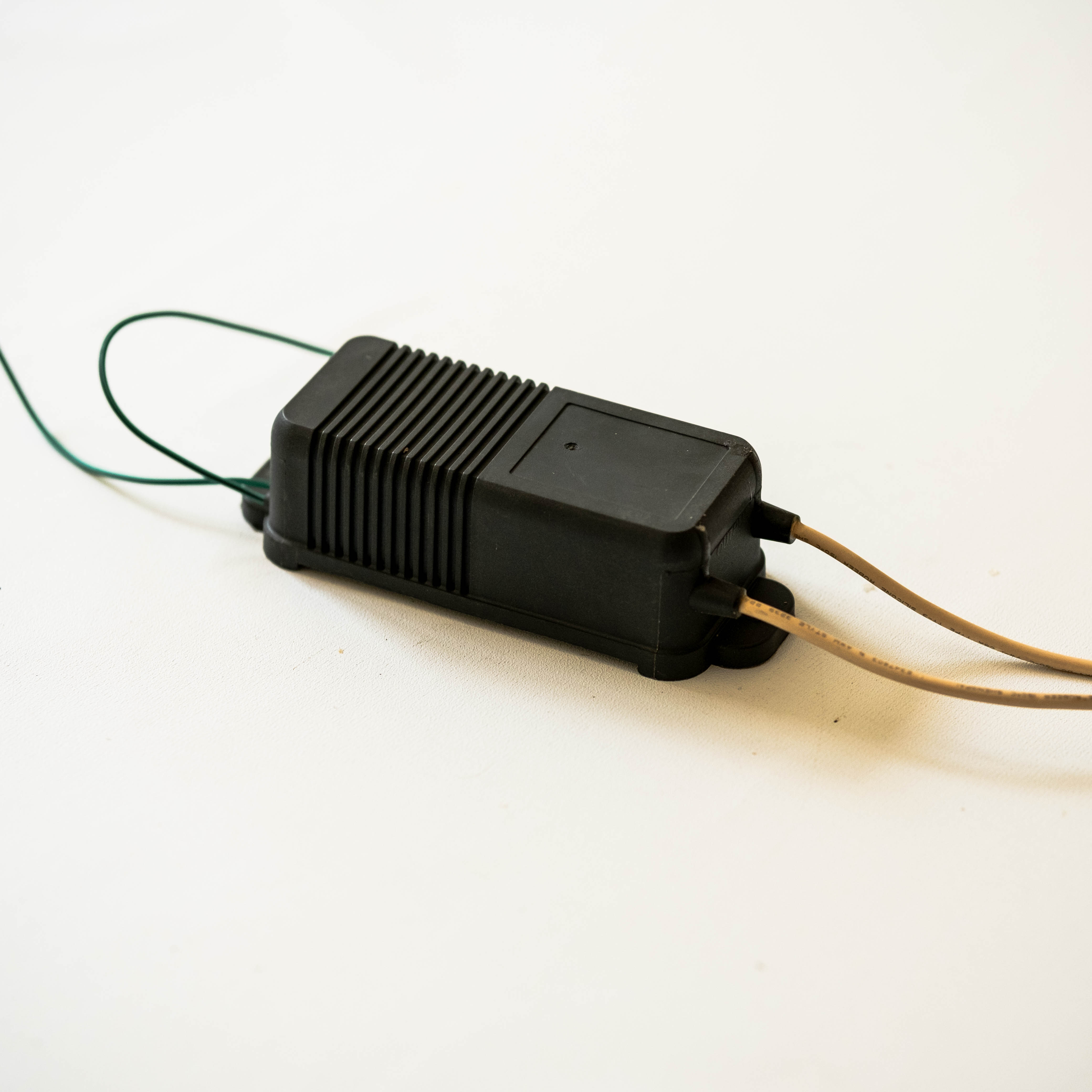
The heart of any electrostatic spraying system is the high-voltage power supply that generates and controls the electrical field necessary for particle charging. Modern power supplies utilize switching technology to provide stable, regulated voltage output while maintaining safety features and diagnostic capabilities. These sophisticated units incorporate current limiting, arc detection, and automatic shutdown functions that protect both equipment and operators during normal operation and fault conditions.
Contemporary high-voltage modules feature digital control interfaces that enable precise voltage adjustment and real-time monitoring of system parameters. Advanced units include remote control capabilities, data logging functions, and integration with plant control systems for automated operation. The reliability and safety features of modern power supplies have made electrostatic spraying practical for widespread industrial implementation across diverse manufacturing environments.
Spray Gun Design and Performance Characteristics
Electrostatic spray guns represent highly specialized tools designed to optimize coating atomization while maintaining safe and reliable electrical charge generation. These devices incorporate precision-engineered electrodes, fluid delivery systems, and safety interlocks that ensure consistent performance under demanding production conditions. Modern gun designs feature modular construction that facilitates maintenance and enables rapid changeover between different coating materials and application requirements.
The atomization quality achieved by electrostatic spray guns directly impacts coating appearance and transfer efficiency. Advanced gun designs incorporate multiple atomization mechanisms including hydraulic pressure, air assistance, and rotary bell systems that can be optimized for specific coating materials and application requirements. The combination of superior atomization and electrostatic attraction results in coating quality that exceeds conventional spray methods across virtually all performance metrics.
Environmental and Economic Benefits
Reduced Volatile Organic Compound Emissions
Electrostatic spraying contributes significantly to environmental protection through reduced volatile organic compound emissions and improved material utilization. The higher transfer efficiency of electrostatic systems means that less coating material is released into the atmosphere as overspray, directly reducing VOC emissions per unit of production. This environmental benefit becomes increasingly important as regulations governing industrial emissions become more stringent worldwide.
Manufacturing facilities implementing electrostatic spraying often qualify for environmental compliance credits and may benefit from reduced permitting requirements due to lower emission levels. The technology enables companies to meet environmental regulations while maintaining production efficiency, providing a competitive advantage in markets where environmental performance is increasingly valued by customers and regulatory agencies.
Long-term Cost Savings and Return on Investment
The economic benefits of electrostatic spraying extend far beyond initial material savings to include reduced labor costs, improved quality consistency, and enhanced production flexibility. Lower rejection rates and reduced rework requirements translate into improved production efficiency and higher overall equipment effectiveness. These operational improvements often generate substantial cost savings that continue throughout the equipment lifecycle.
Comprehensive economic analysis of electrostatic spraying implementations consistently demonstrates positive return on investment within 18-24 months of installation. The combination of material savings, improved quality, and operational efficiency creates compelling business justification for the technology across diverse manufacturing applications. Forward-looking companies recognize electrostatic spraying as a strategic investment that provides both immediate cost benefits and long-term competitive advantages.
Future Developments and Technology Trends
Smart Control Systems and Industry 4.0 Integration
The future of electrostatic spraying technology lies in intelligent control systems that incorporate artificial intelligence, machine learning, and predictive analytics to optimize coating processes automatically. These advanced systems will monitor multiple process variables simultaneously and make real-time adjustments to maintain optimal coating quality while minimizing material consumption and environmental impact. Integration with Industry 4.0 concepts will enable unprecedented levels of process visibility and control.
Emerging technologies include vision-guided electrostatic spraying systems that use cameras and image processing to automatically adjust spray patterns based on part geometry and coating requirements. These systems promise to further improve coating consistency while reducing setup time and operator skill requirements. The convergence of electrostatic spraying with advanced automation and artificial intelligence will create new possibilities for coating quality and production efficiency.
Advanced Materials and Coating Formulations
Ongoing research in coating chemistry is developing new materials specifically optimized for electrostatic spraying applications. These advanced formulations incorporate improved electrical conductivity, enhanced flow characteristics, and specialized additives that maximize the benefits of electrostatic application. Water-based and high-solids coatings are being reformulated to achieve optimal performance with electrostatic spraying systems while meeting environmental regulations.
Nanotechnology applications in coating materials promise to further enhance the capabilities of electrostatic spraying systems. Nanoparticle additives can improve coating properties including durability, corrosion resistance, and self-cleaning characteristics while maintaining compatibility with electrostatic application methods. These advanced materials will expand the range of applications where electrostatic spraying provides superior performance compared to conventional coating methods.
FAQ
What voltage levels are typically used in electrostatic spraying systems
Electrostatic spraying systems typically operate at voltage levels between 60,000 and 100,000 volts DC. The specific voltage setting depends on factors including coating material properties, substrate geometry, and environmental conditions. Higher voltages generally improve transfer efficiency and wrap-around capability but must be carefully controlled to prevent excessive buildup or coating defects. Modern systems include variable voltage control that allows operators to optimize settings for specific applications while maintaining safety and quality requirements.
How does electrostatic spraying improve coating adhesion compared to conventional methods
Electrostatic spraying enhances coating adhesion through multiple mechanisms including improved particle impact energy, better surface wetting, and more uniform film formation. The electrical attraction force ensures that coating particles arrive at the substrate surface with consistent energy levels, promoting better mechanical bonding. Additionally, the controlled deposition process minimizes air entrapment and surface defects that can compromise adhesion in conventional spray applications. The result is stronger, more durable coating systems with improved long-term performance.
What maintenance requirements are associated with electrostatic coating equipment
Electrostatic coating equipment requires regular maintenance of high-voltage components, electrode cleaning, and calibration of control systems. Daily maintenance typically includes electrode inspection and cleaning, while weekly tasks involve checking electrical connections and safety systems. Monthly maintenance includes power supply calibration and performance verification testing. Proper maintenance is essential for consistent performance and operator safety, but modern equipment designs have significantly reduced maintenance requirements compared to earlier electrostatic systems.
Can electrostatic spraying be used with all types of coating materials
Electrostatic spraying is compatible with most solvent-based and water-based liquid coatings, though material formulation may require adjustment for optimal performance. The coating must have sufficient electrical conductivity to accept and maintain an electrical charge during application. Some highly insulative materials may require special additives or alternative charging methods. Powder coatings are particularly well-suited for electrostatic application, while certain specialty materials like UV-curable coatings may require modified equipment or application techniques to achieve optimal results.
Table of Contents
- Understanding the Science Behind Electrostatic Spraying Technology
- Coating Uniformity Improvements Through Electrostatic Technology
- Quality Enhancement Benefits of Electrostatic Coating Systems
- Industrial Applications and Implementation Considerations
- System Components and Technology Specifications
- Environmental and Economic Benefits
- Future Developments and Technology Trends
-
FAQ
- What voltage levels are typically used in electrostatic spraying systems
- How does electrostatic spraying improve coating adhesion compared to conventional methods
- What maintenance requirements are associated with electrostatic coating equipment
- Can electrostatic spraying be used with all types of coating materials