
Electrostatic spraying has revolutionized the coating industry by delivering superior adhesion and exceptional durability compared to conventional spray methods. This advanced coating technology utilizes electrical charges to attract coating particles directly to the substrate surface, creating a more uniform and efficient application process. Industries ranging from automotive manufacturing to architectural applications have embraced electrostatic spraying for its ability to reduce material waste while significantly improving coating performance and longevity.
The fundamental principle behind electrostatic spraying involves creating an electrical potential difference between the coating material and the target surface. When properly implemented, this technology transforms ordinary spray applications into precision coating processes that deliver consistent results across complex geometries and challenging surface configurations. Understanding how electrostatic spraying enhances both adhesion mechanisms and long-term durability provides valuable insights for manufacturers seeking to optimize their coating operations and achieve superior product performance.
Fundamental Principles of Electrostatic Coating Technology
Electrical Charge Generation and Transfer Mechanisms
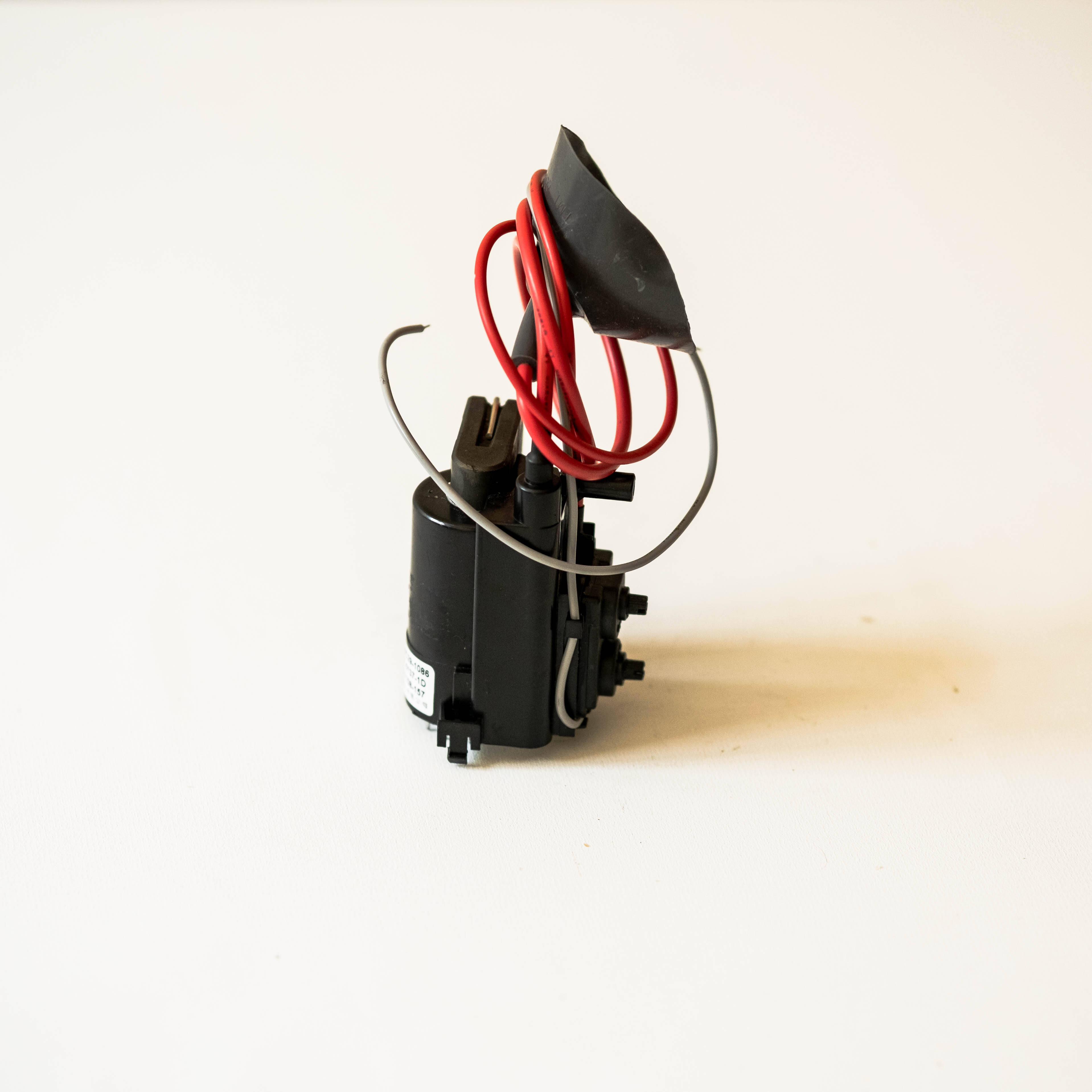
The core mechanism of electrostatic spraying relies on generating high-voltage electrical charges that are transferred to coating particles as they exit the spray gun. Specialized high-voltage modules create electrical fields ranging from 30,000 to 100,000 volts, which ionize the coating material and impart a negative or positive charge to each droplet. This charging process occurs through direct contact with charged electrodes or through induction within the spray gun assembly, ensuring consistent particle charging throughout the application process.
The electrical field created during electrostatic spraying extends beyond the spray gun nozzle, creating invisible lines of force that guide charged particles toward grounded surfaces. These electromagnetic forces overcome the natural tendency of spray droplets to follow ballistic trajectories, instead directing them along curved paths that wrap around edges and penetrate into recessed areas. The resulting coating pattern achieves remarkable uniformity even on complex three-dimensional surfaces that would be difficult to coat effectively using conventional spray methods.
Particle Attraction and Surface Interaction
Once charged particles enter the electrical field, they experience strong attractive forces toward the grounded substrate surface. This electromagnetic attraction is significantly more powerful than gravitational forces acting on the coating droplets, allowing electrostatic spraying to achieve efficient transfer even when spraying upward or onto vertical surfaces. The charged particles maintain their electrical properties throughout their flight path, ensuring consistent attraction until they make contact with the target surface.
The interaction between charged coating particles and the substrate surface creates unique adhesion conditions that enhance both initial bonding and long-term durability. As electrically charged droplets approach the grounded surface, they experience increased acceleration in the final millimeters of their trajectory, resulting in higher impact velocities that promote better wetting and surface penetration. This enhanced impact energy helps charged particles overcome surface tension barriers and establish more intimate contact with substrate materials compared to uncharged droplets in conventional spray applications.
Enhanced Adhesion Mechanisms Through Electrostatic Application
Molecular-Level Bonding Improvements
Electrostatic spraying creates superior adhesion through enhanced molecular-level interactions between the coating and substrate materials. The electrical charging process increases the surface energy of coating particles, making them more reactive and capable of forming stronger chemical bonds with surface molecules. This increased reactivity is particularly beneficial when applying coatings to metal substrates, where electrostatic spraying can promote the formation of chemical bonds that significantly exceed the strength of purely mechanical adhesion achieved through conventional methods.
The uniform distribution achieved through electrostatic spraying eliminates many of the microscopic gaps and voids that commonly occur with traditional spray techniques. When coating particles are electrically attracted to the surface, they fill in surface irregularities more completely and create a more continuous interface between the coating and substrate. This improved interface continuity reduces stress concentrations that can lead to coating failure and provides a more robust foundation for long-term adhesion performance.
Surface Wetting and Penetration Enhancement
The electrical charges carried by coating particles in electrostatic spraying applications significantly improve surface wetting characteristics compared to uncharged alternatives. Charged droplets demonstrate reduced contact angles when they encounter substrate surfaces, allowing them to spread more effectively and achieve better coverage of surface irregularities. This enhanced wetting behavior is particularly important when coating porous or textured surfaces, where improved penetration can dramatically increase the effective bonding area between coating and substrate materials.
Electrostatic spraying also promotes more uniform wetting across surfaces with varying surface energies or contamination levels. The electrical attraction forces help charged particles overcome surface tension variations that might otherwise cause uneven coating distribution or dewetting phenomena. This consistent wetting behavior ensures that electrostatic spraying delivers reliable adhesion performance across large surface areas, even when substrate preparation or cleanliness varies slightly from ideal conditions.
Durability Advantages of Electrostatic Coating Systems
Uniform Film Thickness Distribution
One of the most significant durability advantages provided by electrostatic spraying stems from its ability to achieve exceptionally uniform film thickness distribution across coated surfaces. The electromagnetic forces guiding charged particles create self-leveling effects that naturally compensate for variations in spray pattern density or application speed. This uniform thickness distribution is critical for long-term durability because thin spots in conventional coatings often become failure initiation points where corrosion or wear can penetrate to the substrate surface.
The wrap-around effect inherent in electrostatic spraying ensures that edges, corners, and recessed areas receive adequate coating coverage without requiring multiple passes or complex spray gun positioning. This comprehensive coverage eliminates many of the coating discontinuities that compromise durability in conventional spray applications. When electrostatic spraying achieves consistent film thickness across all surface features, the resulting coating system exhibits more predictable performance characteristics and extended service life compared to coatings applied using traditional methods.
Reduced Porosity and Defect Formation
Electrostatic spraying produces coatings with significantly reduced porosity and fewer structural defects compared to conventional spray methods. The controlled particle trajectories and enhanced surface wetting achieved through electrical attraction result in better droplet coalescence and reduced air entrapment during the coating formation process. This improved microstructure directly translates to enhanced barrier properties that protect substrate materials from environmental degradation over extended periods.
The reduced overspray and improved transfer efficiency characteristic of electrostatic spraying also contribute to better coating quality and durability. When fewer coating particles are wasted as overspray, more material is available to build proper film thickness on the target surface. This efficient material utilization, combined with the improved particle placement accuracy achieved through electromagnetic guidance, results in more consistent coating properties and enhanced resistance to mechanical damage, chemical attack, and environmental aging.
Industrial Applications and Performance Benefits
Automotive and Transportation Industries
The automotive industry has extensively adopted electrostatic spraying for both primer and topcoat applications due to its superior adhesion and durability characteristics. Vehicle manufacturers report significant improvements in paint adhesion performance when using electrostatic spraying systems, particularly on complex body panel geometries where conventional spray methods struggle to achieve uniform coverage. The enhanced corrosion protection provided by electrostatically applied primers has enabled automotive manufacturers to extend warranty periods and improve customer satisfaction scores related to paint durability.
Transportation equipment manufacturers have found that electrostatic spraying delivers exceptional performance advantages for heavy-duty applications where coating durability is critical for operational safety and maintenance cost control. Railway car manufacturers, commercial vehicle producers, and marine equipment builders rely on electrostatic spraying to achieve coating systems that withstand harsh environmental conditions while maintaining their protective and aesthetic properties over extended service intervals. The improved adhesion achieved through electrostatic spraying has proven particularly valuable for coating aluminum and composite substrates commonly used in modern transportation applications.
Architectural and Infrastructure Coating Applications
Architectural coating contractors have embraced electrostatic spraying for large-scale building projects where coating durability directly impacts maintenance costs and building longevity. The superior adhesion achieved through electrostatic spraying enables coating systems to withstand thermal cycling, weather exposure, and mechanical stress without premature failure or degradation. This enhanced durability is particularly important for high-rise buildings, industrial facilities, and infrastructure projects where coating maintenance requires expensive access equipment and extended service disruptions.
Bridge maintenance and industrial structure coating projects benefit significantly from the wrap-around coverage capabilities of electrostatic spraying systems. The ability to achieve complete coating coverage on complex structural shapes, including I-beams, angles, and connection details, ensures comprehensive corrosion protection that extends structure service life and reduces long-term maintenance requirements. Infrastructure owners report substantial cost savings when electrostatic spraying is used for major coating projects, as the enhanced durability reduces recoating frequency and associated project costs.
Process Optimization and Equipment Considerations
High-Voltage System Requirements
Successful implementation of electrostatic spraying requires careful attention to high-voltage system design and safety protocols. Modern electrostatic spray equipment incorporates sophisticated control systems that maintain consistent voltage levels while monitoring current flow to ensure optimal charging conditions throughout the application process. These advanced control systems automatically adjust electrical parameters based on coating material properties, environmental conditions, and substrate characteristics to maintain peak performance regardless of operating variables.
The selection of appropriate high-voltage modules is critical for achieving optimal electrostatic spraying performance across different coating materials and application requirements. Voltage requirements vary significantly depending on coating conductivity, viscosity, and flow rate parameters, making it essential to match electrical system specifications to specific application needs. Proper voltage regulation ensures consistent particle charging while preventing electrical instabilities that could compromise coating quality or create safety hazards during operation.
Environmental and Safety Factors
Environmental conditions play a crucial role in electrostatic spraying performance, with humidity, temperature, and air movement affecting both electrical field stability and coating quality. High humidity levels can reduce electrical field strength and cause premature charge dissipation, while low humidity may increase static buildup and create safety concerns. Successful electrostatic spraying operations implement environmental monitoring and control systems to maintain optimal conditions for consistent performance and safe operation.
Safety considerations for electrostatic spraying extend beyond standard spray booth requirements to include electrical hazard prevention and static charge management. Proper grounding of all system components, including the workpiece, spray booth, and operator platforms, is essential for safe operation and optimal coating performance. Regular testing of grounding systems and electrical isolation components ensures that electrostatic spraying operations maintain both safety standards and the electrical conditions necessary for superior adhesion and durability performance.
FAQ
How does electrostatic spraying improve transfer efficiency compared to conventional methods
Electrostatic spraying typically achieves transfer efficiencies of 85-95% compared to 30-50% for conventional spray methods. The electromagnetic attraction between charged particles and grounded surfaces virtually eliminates overspray waste, while the wrap-around effect ensures coating material reaches all surface areas including edges and recessed features that conventional spray patterns might miss.
What types of coating materials work best with electrostatic spraying systems
Electrostatic spraying works effectively with most solvent-based and water-based coatings that have appropriate conductivity levels for electrical charging. Powder coatings achieve excellent results with electrostatic application, while liquid coatings may require conductivity adjustment through additive incorporation. Materials with extremely high or low conductivity may require specialized equipment modifications for optimal performance.
Can electrostatic spraying be used on non-conductive substrate materials
Non-conductive substrates like plastics, wood, and composites can be effectively coated using electrostatic spraying through various techniques including conductive primers, ionized air assistance, or specialized charging methods. Some applications use temporary conductive treatments or fixtures to provide the electrical grounding necessary for effective electrostatic attraction during the coating process.
What maintenance requirements are associated with electrostatic spray equipment
Electrostatic spray systems require regular cleaning of electrodes and charging components to maintain optimal electrical performance. High-voltage modules need periodic testing and calibration, while grounding systems require ongoing verification to ensure safety and performance. Proper maintenance scheduling typically includes daily cleaning procedures, weekly electrical system checks, and monthly comprehensive inspections of all system components.
Table of Contents
- Fundamental Principles of Electrostatic Coating Technology
- Enhanced Adhesion Mechanisms Through Electrostatic Application
- Durability Advantages of Electrostatic Coating Systems
- Industrial Applications and Performance Benefits
- Process Optimization and Equipment Considerations
-
FAQ
- How does electrostatic spraying improve transfer efficiency compared to conventional methods
- What types of coating materials work best with electrostatic spraying systems
- Can electrostatic spraying be used on non-conductive substrate materials
- What maintenance requirements are associated with electrostatic spray equipment