Intelligent Control Systems for Precise Ozone Management
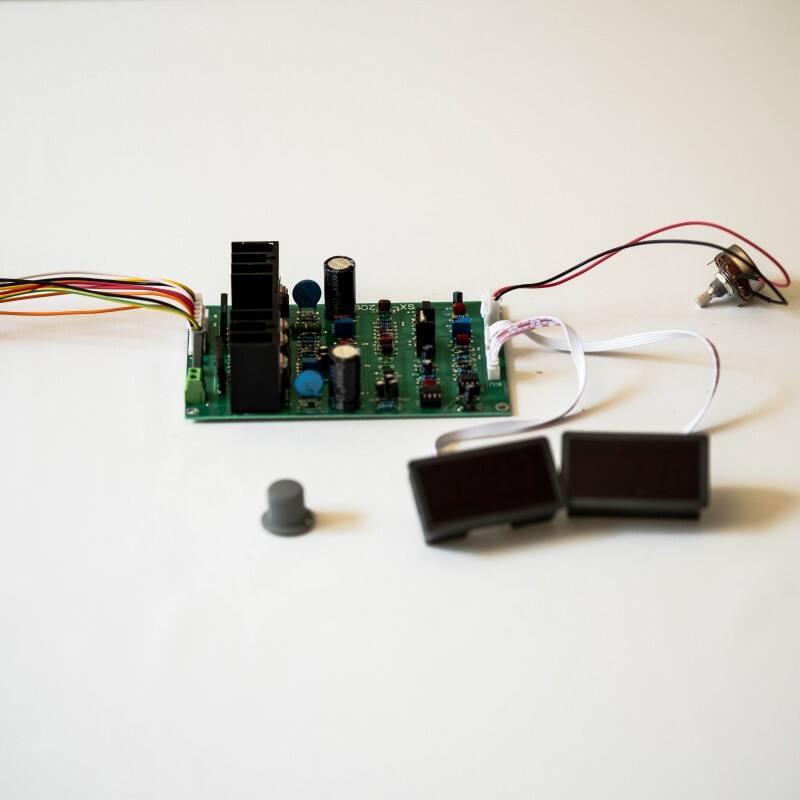
Modern ozone generation systems distinguish themselves through sophisticated control architectures that transform ozone production from a crude process into a precisely managed operation. These intelligent control systems represent a quantum leap from older manual approaches, offering operators unprecedented command over ozone concentration, production timing, and system responsiveness to changing application requirements. At the foundation of these intelligent controls sits a network of sensors continuously measuring critical parameters including ozone output concentration, ambient temperature, humidity levels, oxygen flow rates, electrical power consumption, and system pressures. This sensor array feeds real-time data to programmable logic controllers or dedicated microprocessors that analyze conditions and make instantaneous adjustments to maintain optimal performance. An advanced ozone generation system with intelligent controls allows operators to program specific ozone delivery profiles tailored to particular applications. For water treatment scenarios, the system can maintain steady-state ozone concentrations ideal for continuous disinfection, automatically compensating for variations in water flow rates or contaminant loads. In batch processing applications, the controls can execute precisely timed ozone injection cycles, ramping production up and down according to predetermined schedules that maximize effectiveness while minimizing waste. The user interface in contemporary ozone generation systems has evolved dramatically, featuring touchscreen displays that present complex operational data in intuitive graphical formats. Operators without specialized technical training can navigate these interfaces to monitor system status, adjust settings, review historical performance data, and diagnose potential issues. Many systems offer multiple access levels with password protection, allowing facility managers to establish operating parameters while restricting unauthorized changes that might compromise safety or effectiveness. Remote connectivity represents another transformative feature in modern ozone generation systems. Through ethernet connections, Wi-Fi links, or cellular modems, these systems can communicate with centralized monitoring stations, building management systems, or cloud-based platforms. Facility managers can check system status from smartphones, receive text or email alerts about abnormal conditions, and even adjust operating parameters remotely. This connectivity proves invaluable for organizations operating multiple ozone generation systems across different locations, enabling centralized oversight and consistent operational standards. Safety interlocks integrated within intelligent control systems provide multiple layers of protection. These systems continuously verify proper operating conditions, automatically shutting down ozone production if dangerous situations develop such as cooling system failures, electrical anomalies, or detection of ozone leaks into occupied spaces. Predictive maintenance algorithms analyze operational trends to forecast component wear, scheduling preventive interventions before failures occur. This intelligence extends the operational lifespan of ozone generation systems while minimizing unexpected downtime that disrupts operations.