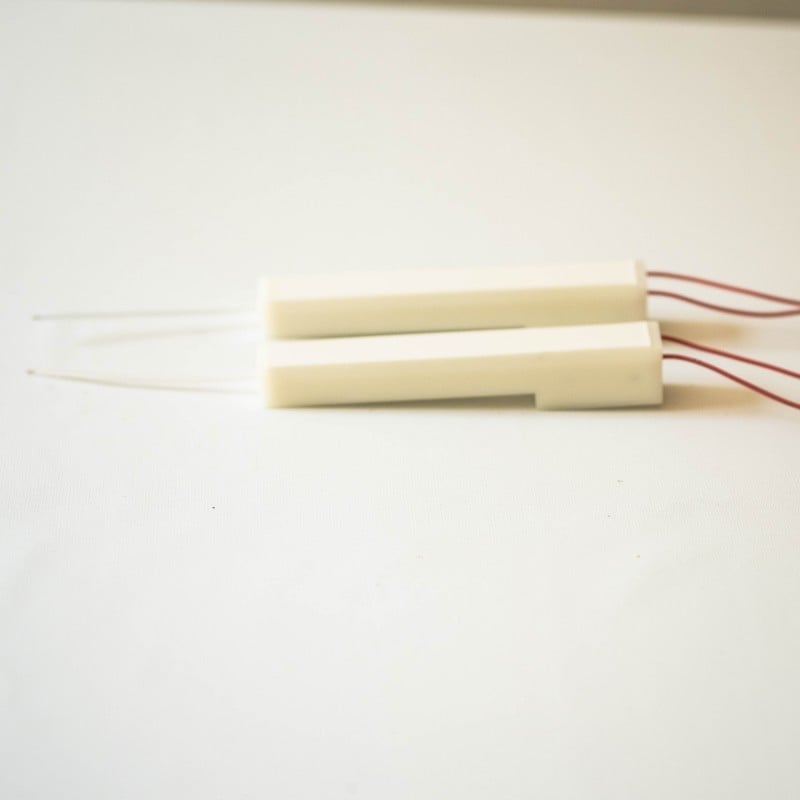
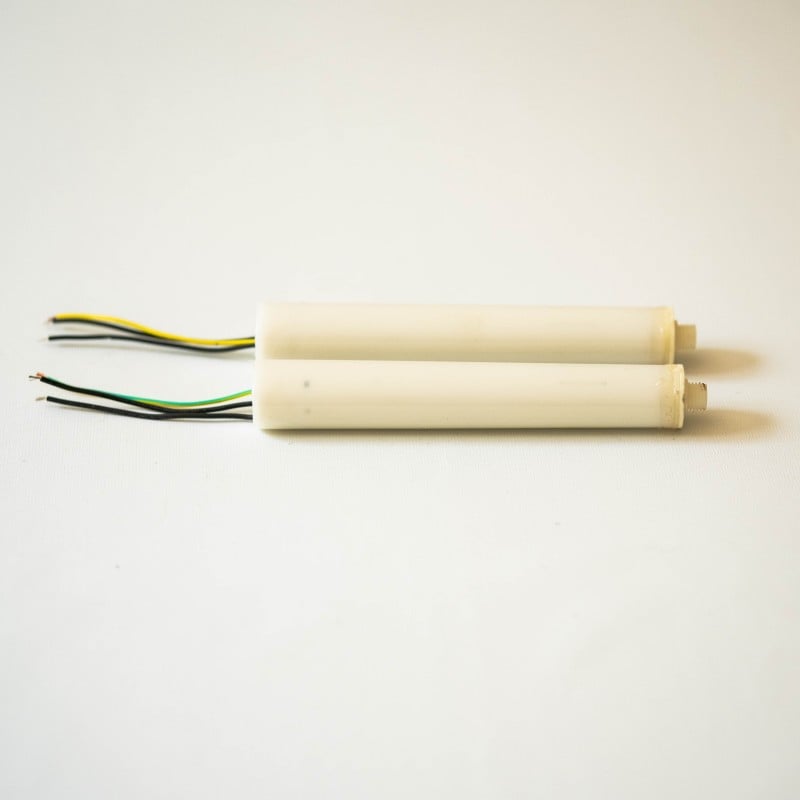
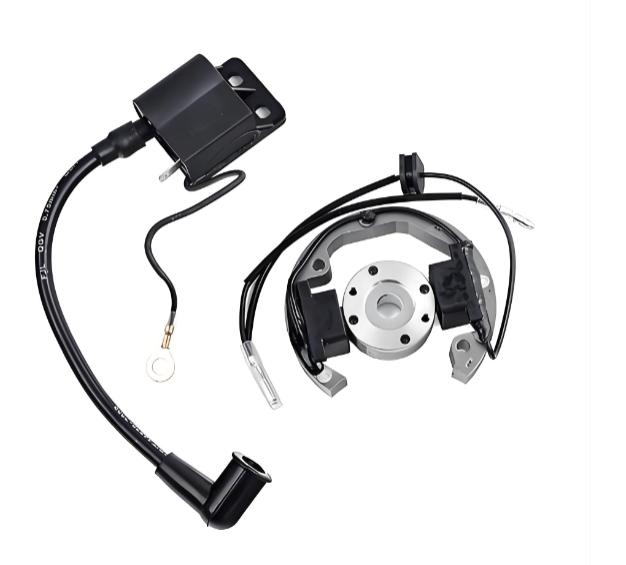
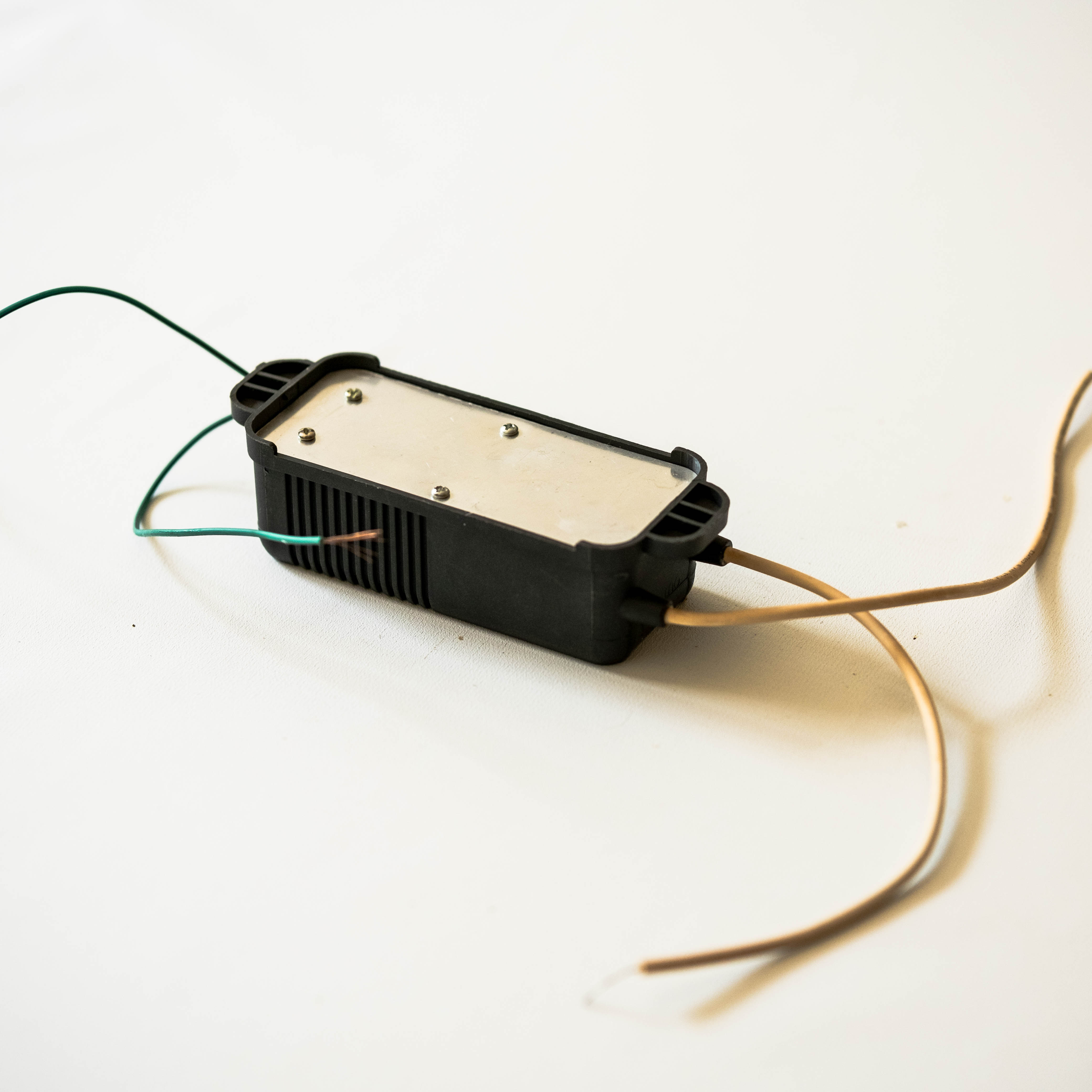
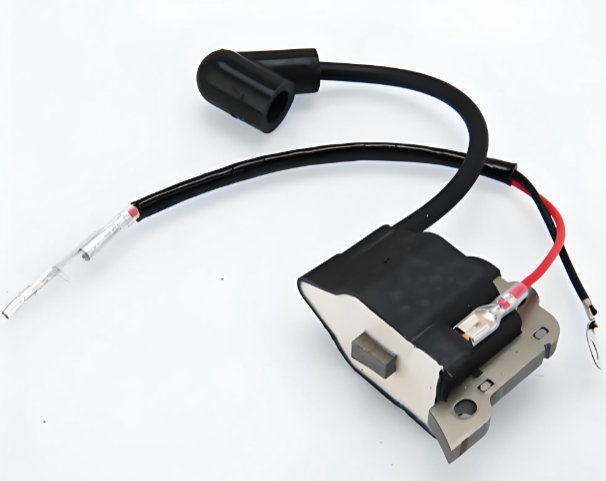
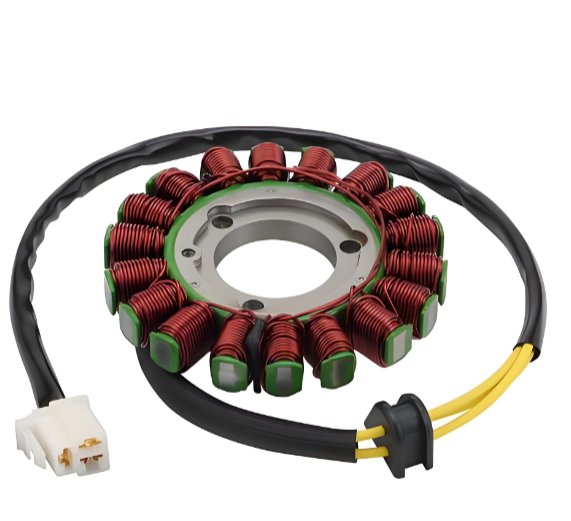
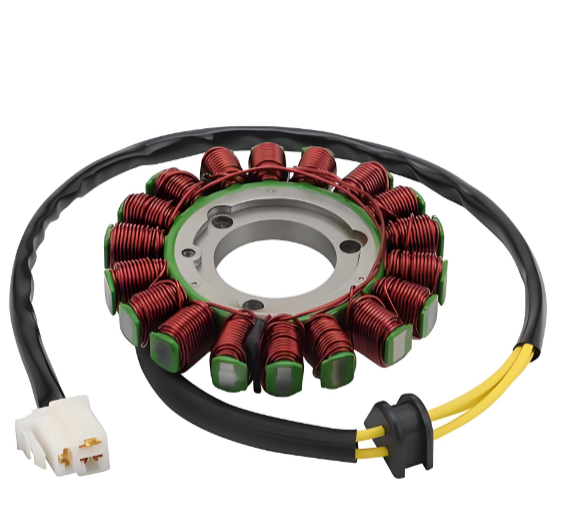
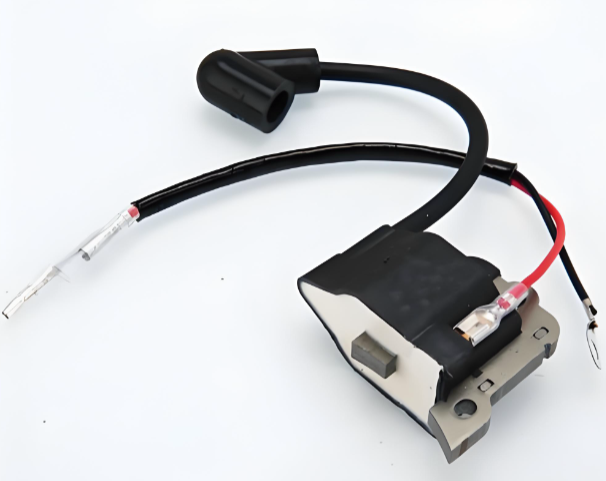
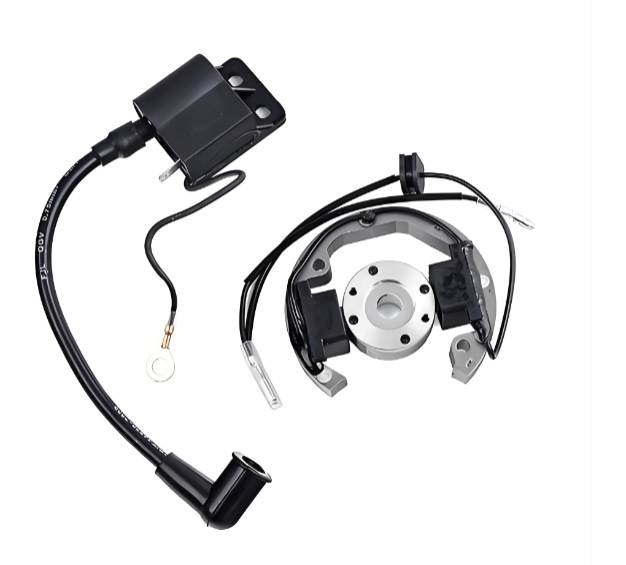
ignition coil module
The ignition coil module is the engine component that changes low battery voltage into the high voltage needed to create a spark at each spark plug. The ignition coil module receives an electrical signal from the engine control system, stores energy briefly, and releases it at the correct moment. This controlled discharge lets the plug ignite the air and fuel mixture inside the cylinder. A modern ignition coil module may serve one plug, a pair of plugs, or several cylinders, depending on the vehicle design. The ignition coil module replaces older distributor-based ignition systems in many cars, trucks, motorcycles, boats, and small engines. It supports accurate ignition timing, strong starting performance, and steady combustion during changing driving conditions. The ignition coil module often includes a primary winding, a secondary winding, an iron core, an insulated housing, and electrical terminals. Electronic control allows the ignition coil module to respond quickly to engine speed, load, and temperature changes. A well-designed ignition coil module also uses heat-resistant materials, sealed connections, and vibration-resistant construction. These features protect the unit from moisture, engine heat, road shock, and long operating hours. The ignition coil module can be supplied as a coil pack, a rail assembly, or a coil-on-plug unit. Installation depends on the engine layout and connector design. For vehicle makers, the ignition coil module offers a compact way to manage spark delivery without unnecessary mechanical parts. In service, the ignition coil module helps reduce misfires, support cleaner combustion, and maintain dependable power. Overall, the ignition coil module is a practical choice for original equipment, replacement programs, performance updates, and engine repair.