
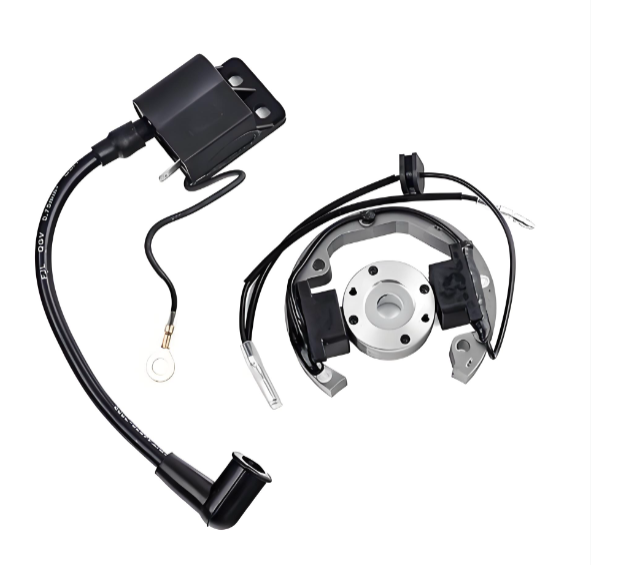
The ignition coil stands as one of the most critical components in modern automotive and industrial engine systems. Over the past decade, ignition coil technology has undergone remarkable transformation, driven by the need for improved fuel efficiency, reduced emissions, and enhanced engine performance. Today's ignition coil designs incorporate advanced materials, sophisticated electronics, and innovative construction methods that would have seemed impossible just a generation ago. Understanding these ignition coil innovations helps technicians, engineers, and fleet managers make informed decisions about engine maintenance, upgrades, and component selection.
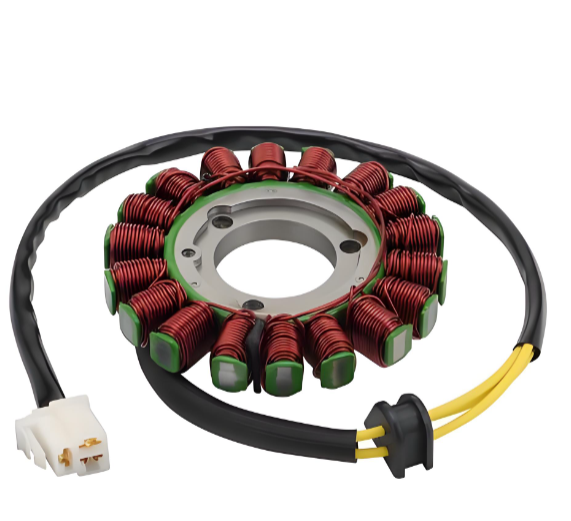
The evolution of ignition coil technology reflects broader trends in electrification, precision manufacturing, and digitalization across the engine industry. Modern ignition coil systems now feature integrated driver circuits, adaptive spark timing, and real-time monitoring capabilities that optimize combustion under varying load conditions. These advances mean that today's ignition coil performs far more functions than traditional models, delivering better cold-start performance, smoother idling, and more responsive acceleration across a wider temperature range.
Advanced Materials and Construction in Ignition Coil Design
High-Temperature Insulation and Core Materials
Contemporary ignition coil designs employ advanced insulation materials engineered to withstand extreme thermal cycling and electrical stress. The ignition coil core now utilizes specialized ferrite or laminated iron compounds that maximize magnetic coupling efficiency while minimizing heat generation. These materials allow the ignition coil to deliver consistently higher secondary voltage with lower primary current, reducing power losses and extending component lifespan. The ignition coil insulation systems have evolved from traditional varnish to modern epoxy resins and composite polymers that maintain dielectric strength even after thousands of thermal shock cycles.
Compact Form Factors and Integration
Modern ignition coil architecture prioritizes space efficiency and modular integration within engine compartments and control modules. Direct-coil-on-plug designs eliminate bulky external wiring harnesses, while coil-pack systems consolidate multiple ignition coil functions into unified assemblies. The ignition coil miniaturization trend has reduced weight by up to forty percent compared to legacy designs, contributing directly to vehicle fuel economy and handling improvements. Contemporary ignition coil housings feature improved heat dissipation through aluminum casting and thermal interface materials that draw excess energy away from sensitive electronic components.
Electronic Integration and Smart Ignition Coil Functions
Adaptive Spark Timing and Combustion Control
Today's ignition coil systems incorporate sophisticated electronic control circuits that continuously adjust spark timing based on real-time engine parameters. The ignition coil now communicates bidirectionally with engine control modules, receiving feedback on cylinder pressure, combustion quality, and exhaust composition to optimize each firing event. This ignition coil intelligence enables precision timing adjustments that improve combustion efficiency and reduce harmful emissions across all operating conditions. Advanced ignition coil driver circuits monitor primary winding current in real-time, detecting misfires and component degradation before they impact engine performance or trigger diagnostic codes.
Predictive Maintenance and Diagnostics
Modern ignition coil technology now includes built-in diagnostic capabilities that track performance metrics and predict maintenance needs. The ignition coil integrated circuits measure parameters such as dwell time, primary current rise rate, and secondary voltage consistency, flagging anomalies that indicate deterioration or failure risk. This ignition coil predictive capability allows fleet managers and technicians to schedule preventive replacements before unexpected failures occur, reducing downtime and associated costs. Some advanced ignition coil systems transmit diagnostic data wirelessly to connected vehicle platforms, enabling remote monitoring and automated service alerts.
Performance Improvements and Emissions Reduction
Higher Secondary Voltage and Enhanced Spark Quality
Recent ignition coil innovations have pushed secondary voltage output beyond traditional limits, enabling more complete combustion in lean-burn and high-compression engine designs. The ignition coil secondary voltage now reaches fifty kilovolts or higher in some applications, creating more robust spark kernels that ignite fuel more reliably under transient conditions. This ignition coil advancement particularly benefits newer engine architectures that operate at higher compression ratios and employ aggressive spark advance strategies. The ignition coil extended ignition duration ensures flame front propagation even in dilute or highly turbulent combustion chambers, reducing unburned hydrocarbon emissions and improving fuel economy.
Multi-Spark and Rapid-Fire Capabilities
Advanced ignition coil technology now delivers multiple spark events per cylinder revolution, a capability impossible with conventional designs. The ignition coil multi-spark feature provides additional opportunities for combustion initiation, particularly beneficial during cold-start, lean-operation, and transient acceleration phases. This ignition coil rapid-fire capability has become standard in performance and emissions-control applications, dramatically reducing startup time and cold-engine hydrocarbon emissions. The ignition coil ability to generate successive sparks at microsecond intervals requires sophisticated driver circuits and control algorithms that were unavailable just five years ago.
Integration with Hybrid and Alternative Fuel Systems
Ignition Coil Adaptation for Diverse Fuel Types
Modern ignition coil technology has evolved to support diverse fuel types including gasoline, flex-fuel blends, and compressed natural gas formulations. The ignition coil control electronics now adapt spark characteristics dynamically based on fuel composition, octane rating, and oxygen content detected through lambda sensors and fuel-type identification algorithms. This ignition coil flexibility allows the same hardware platform to operate across multiple fuel grades and regional fuel standards without performance compromise. The ignition coil adaptive capability particularly benefits markets with seasonal fuel variations and regions where fuel quality consistency remains challenging.
Hybrid and Start-Stop Engine Compatibility
Contemporary ignition coil designs incorporate features specifically engineered for hybrid powertrain demands, including frequent on-off cycling and variable operating windows. The ignition coil components now withstand thousands of thermal stress cycles from rapid engine start-stop sequences without performance degradation. Advanced ignition coil materials and thermal management enable reliable operation across the extreme transient conditions characteristic of hybrid architecture. The ignition coil integration with regenerative charging systems allows optimized spark timing that maximizes energy recovery during braking phases.
FAQ
What are the primary differences between modern and legacy ignition coil designs?
Modern ignition coil systems feature integrated electronic control circuits, higher secondary voltage output, and real-time diagnostic capabilities that distinguish them from traditional designs. Contemporary ignition coil architecture emphasizes compact form factors and direct-coil-on-plug integration, eliminating external wiring and improving reliability. Legacy ignition coil designs relied on fixed spark timing and passive components, whereas current ignition coil technology delivers adaptive combustion control that optimizes performance across all operating conditions. The ignition coil evolution reflects decades of materials science advances and the integration of sophisticated semiconductor technologies into engine control systems.
How does the ignition coil contribute to emissions reduction in modern engines?
The ignition coil advances in secondary voltage output and multi-spark capability enable more complete fuel combustion, directly reducing unburned hydrocarbon and particulate emissions. Modern ignition coil systems provide adaptive timing that optimizes flame propagation under lean-burn conditions, supporting aggressive emissions control strategies. The ignition coil precise control over spark duration and intensity minimizes combustion chamber deposits and improves oxygen utilization efficiency. Advanced ignition coil technology allows engines to operate at higher compression ratios and leaner air-fuel mixtures while maintaining emissions compliance through enhanced ignition reliability.
Will ignition coil technology continue to evolve as vehicles become more electrified?
Despite the growing market share of electric vehicles, ignition coil technology will remain critically important for decades because hybrid powertrains, legacy fleet vehicles, and industrial engines still rely on internal combustion. The ignition coil innovations will increasingly focus on efficiency, thermal management, and integration with hybrid architectures rather than pursuing higher performance outputs. Future ignition coil development will emphasize predictive diagnostics, wireless connectivity, and adaptive control algorithms that optimize engine operation alongside battery management systems. The ignition coil evolution represents a natural response to regulatory pressures and market demands for cleaner, more efficient combustion, ensuring this technology remains relevant throughout the energy transition period.