
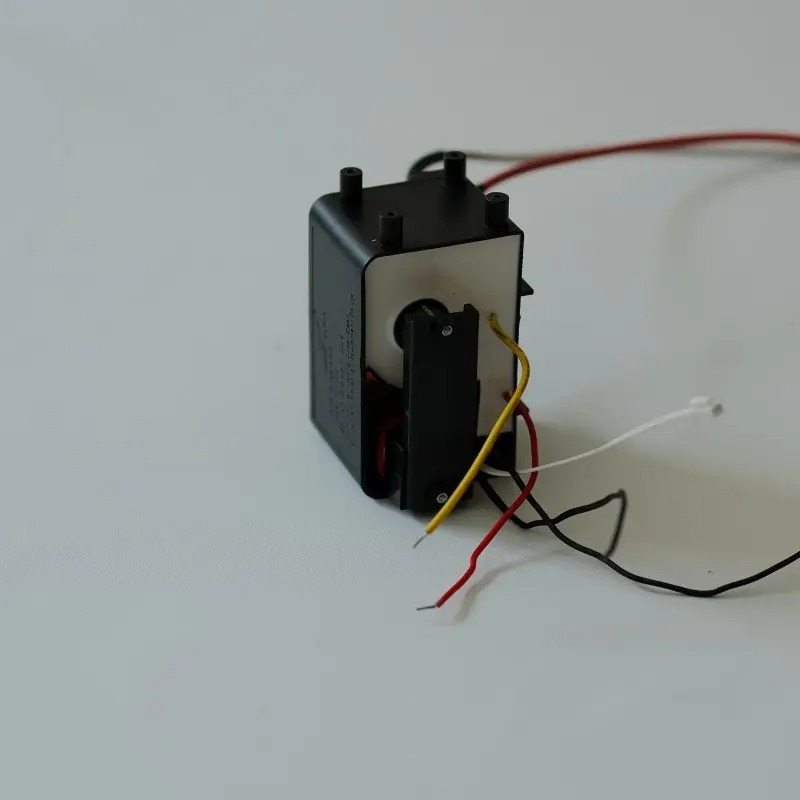
Maintaining a high voltage module is critical for ensuring the reliability, safety, and longevity of your electrical infrastructure. Whether your facility relies on industrial power distribution, laboratory testing equipment, or specialized power conversion systems, the performance of your high voltage module directly impacts operational efficiency and equipment protection. Proper maintenance prevents costly downtime, extends equipment lifespan, and reduces the risk of catastrophic failure that could compromise both personnel safety and business continuity.
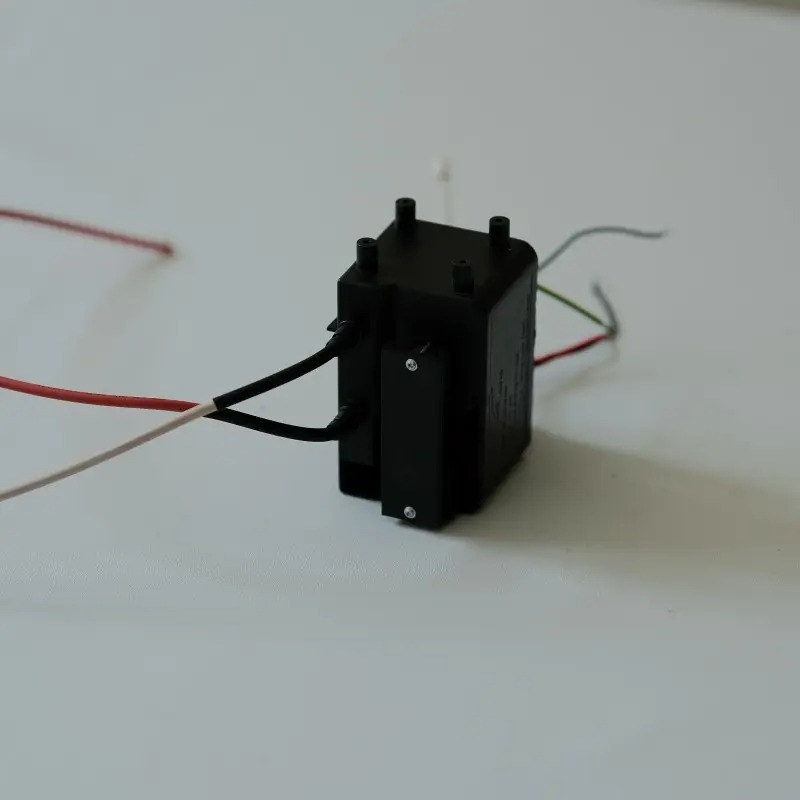
A high voltage module operates under demanding electrical stress, temperature fluctuations, and environmental exposure that accelerate component degradation. Unlike low-voltage systems where maintenance can sometimes be deferred, high voltage module systems require disciplined inspection schedules, preventive cleaning protocols, and rigorous testing routines. This article outlines the essential maintenance strategies that industrial operators, facility managers, and electrical technicians must implement to keep their high voltage module operating safely and efficiently throughout its service life.
Understanding High Voltage Module Degradation Mechanisms
Environmental Stress Factors Affecting High Voltage Module Performance
High voltage module equipment faces continuous environmental assault from moisture, dust, temperature extremes, and vibration. Moisture infiltration is particularly damaging because it degrades insulation resistance, promotes tracking on circuit boards, and initiates corrosion on copper traces and component leads. A high voltage module exposed to humid industrial environments or outdoor installations is vulnerable to accelerated failure if not properly sealed and maintained. Temperature cycling causes thermal stress that loosens solder joints, cracks capacitor bodies, and stresses high voltage module windings and insulation layers.
Electrical Stress and Component Fatigue in High Voltage Module Systems
Each operating cycle stresses a high voltage module's insulation system, dielectric materials, and high-voltage components. Repeated voltage transients, inrush currents during startup, and load fluctuations generate cumulative damage within the high voltage module that compounds over months and years. Electrical overstress events, even momentary spikes, can initiate micro-fractures in ceramic insulators and weaken insulation barriers within a high voltage module. Understanding these degradation pathways helps justify the investment in systematic maintenance and preventive monitoring of your high voltage module equipment.
Inspection and Testing Protocols for High Voltage Module Maintenance
Visual Inspection Procedures for High Voltage Module Systems
Regular visual inspection is the first line of defense in maintaining a healthy high voltage module. Begin by examining the external enclosure for signs of corrosion, cracks, moisture beading, or discoloration that indicate internal contamination or thermal stress within the high voltage module. Check all connectors, terminals, and high-voltage output leads for oxidation, loose connections, or burn marks that suggest arcing or overheating. Inspect the high voltage module fan vents, cooling fins, and air inlet screens for dust accumulation that restricts thermal management and reduces cooling efficiency.
Electrical Testing and Insulation Resistance Measurement
Insulation resistance testing is essential for validating the health of a high voltage module's internal insulation system. Using a digital megohmmeter rated for the operating voltage of your high voltage module, measure resistance between primary and secondary windings, between windings and ground, and between all high-voltage outputs. Compare measured values against manufacturer specifications and trending data from previous measurements to detect degradation patterns within the high voltage module. A declining insulation resistance trend signals moisture ingress, contamination, or incipient failure conditions within the high voltage module that require immediate corrective action before catastrophic breakdown occurs.
Cleaning and Environmental Control Strategies
Dust Removal and Surface Cleaning for High Voltage Module Equipment
Dust and particulate accumulation on high voltage module surfaces and internal components reduces cooling efficiency, promotes surface leakage paths, and traps moisture. Use compressed air or a non-conductive soft brush to gently remove dust from the exterior of the high voltage module enclosure and ventilation surfaces. For internal components within the high voltage module, use specialized compressed air canisters or a pneumatic air compressor with moisture traps to prevent additional contamination. Never use water-based cleaning solutions directly on an energized or recently de-energized high voltage module; always ensure complete power-down and adequate cooling time before attempting any chemical cleaning.
Moisture Management and Environmental Sealing
Controlling humidity in the environment surrounding your high voltage module prevents catastrophic insulation failure and extends operational lifespan. Install a high voltage module system in a climate-controlled facility with relative humidity maintained below 60 percent if possible. If outdoor or uncontrolled indoor installation is necessary, use protective enclosures with weather seals, drain holes, and ventilation baffles that allow heat dissipation while excluding liquid water from reaching the high voltage module. Consider desiccant breathers or silica gel cartridges on any high voltage module vents to absorb moisture as air exchanges during thermal cycling and maintain protective dry conditions within the high voltage module enclosure.
Preventive Maintenance Schedules and Documentation
Establishing a Maintenance Calendar for High Voltage Module Systems
Create a documented maintenance schedule tailored to your specific high voltage module equipment and operating conditions. Quarterly visual inspections and dust removal are standard for most industrial high voltage module installations operating in normal environments. Semi-annual insulation resistance testing and cleaning cycles are appropriate for systems in dusty or moisture-prone locations. Annual thermal imaging surveys can detect hot spots or cooling failures within the high voltage module that indicate internal faults or component degradation requiring service intervention.
Record-Keeping and Trending Analysis for High Voltage Module Reliability
Maintain detailed maintenance logs documenting all inspections, tests, cleaning activities, and repair work performed on your high voltage module. Record specific measurements such as insulation resistance values, temperature readings, and any visual findings observed during maintenance activities on the high voltage module. Plot insulation resistance trends over time to establish baseline performance for each high voltage module unit and alert you to degradation patterns that precede failure. This historical data enables predictive maintenance decisions, supports warranty claims, and provides evidence of proper stewardship should any failure investigation or liability question arise regarding your high voltage module equipment.
FAQ
How often should I perform insulation resistance testing on my high voltage module?
Most manufacturers recommend semi-annual insulation resistance testing for high voltage module equipment operating in normal industrial environments. However, systems in humid, dusty, or chemically aggressive environments may require quarterly testing to detect moisture ingress or contamination early. Establish baseline insulation resistance values for your specific high voltage module during initial commissioning, then monitor trending to detect decline rates that indicate accelerating degradation requiring corrective maintenance intervention before failure occurs.
What is the ideal operating temperature range for a high voltage module?
Most high voltage module systems are designed to operate safely within a temperature range of 0 to 50 degrees Celsius under normal ambient conditions, with internal component temperatures typically remaining below 80 degrees Celsius. Exceeding these thermal limits accelerates insulation degradation, reduces component lifespan, and increases failure risk within the high voltage module. If your high voltage module operates near or above maximum rated temperature, verify that cooling ventilation is unobstructed, ambient room temperature is within specification, and internal components are not exhibiting excessive power dissipation due to loading errors or internal faults.
Can I repair a high voltage module myself or must I use a manufacturer service center?
High voltage module repair requires specialized training, calibrated test equipment, and high-voltage safety protocols that exceed the capabilities of most facility maintenance staff. Simple activities such as external cleaning, dust removal, and connector inspection can be performed by trained personnel following manufacturer guidelines and lockout procedures. However, any repair involving component replacement, internal cleaning, or circuit board rework must be entrusted to the manufacturer or an authorized service center qualified to work safely with high voltage module equipment and ensure repair quality meets original specifications and safety standards.