
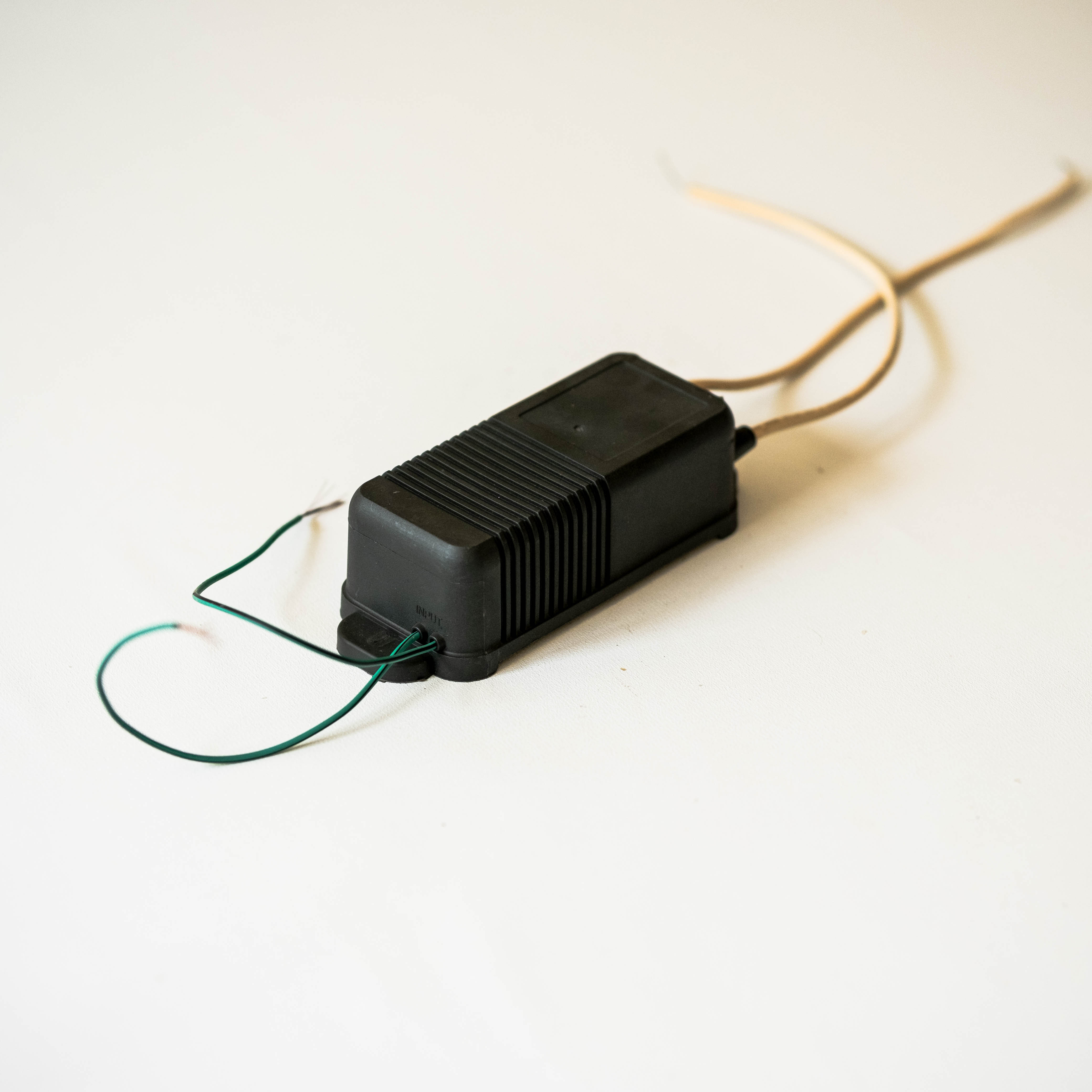
Using a flyback transformer safely requires controls for high voltage, stored energy, heat, and unexpected startup. The risks depend on the circuit, supply, enclosure, and work being performed, so a flyback transformer should never be treated as a low-risk component simply because it is compact. Follow the equipment documentation and site electrical safety procedures before installation or operation.
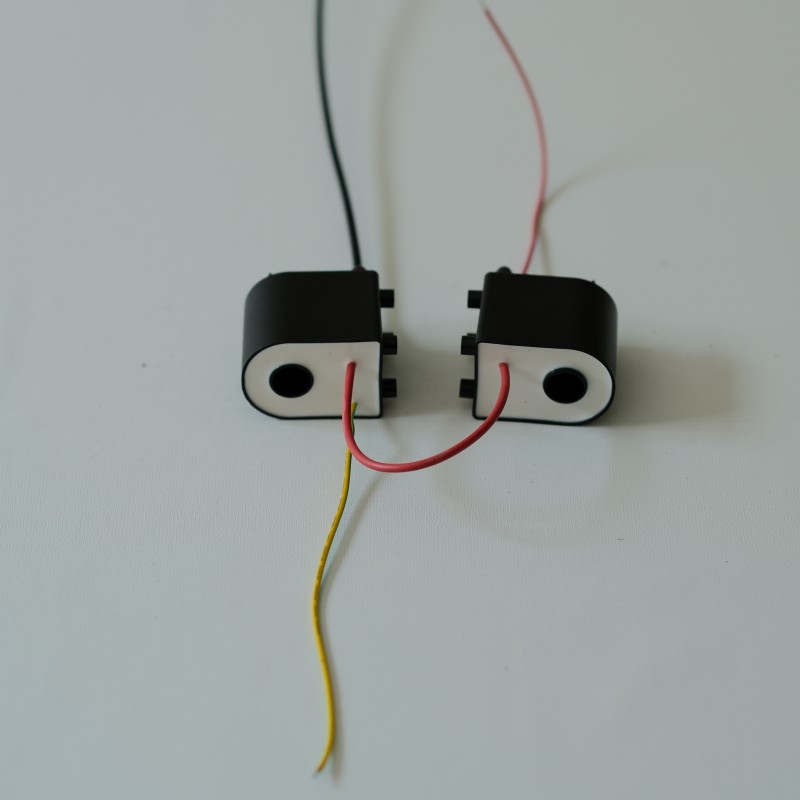
The precautions below cover planning, commissioning, routine use, and service work. A flyback transformer can generate hazardous output voltage, and connected capacitors may retain energy after power is removed. Treat the complete circuit as energized until an authorized person has isolated it, discharged stored energy using an approved method, and verified a safe condition with suitable test equipment.
Prepare the installation and work area
Confirm ratings, wiring, and enclosure design
Before connecting a flyback transformer, check its approved input range, output characteristics, insulation requirements, and intended operating conditions against the equipment design. Confirm that wiring, terminals, connectors, and protective components are suitable for the circuit. A flyback transformer used outside its documented limits may overheat, arc, or damage connected equipment, so do not infer ratings from appearance alone.
Mount the flyback transformer securely in an enclosure that provides suitable insulation, spacing, and protection from accidental contact. Keep conductive debris, loose hardware, moisture, and unauthorized access away from high-voltage areas. Designers should assess creepage and clearance, cable routing, ventilation, and barriers as part of the complete assembly rather than relying on the transformer package to provide all necessary protection.
For a new installation, review the wiring diagram and identify every energy source, including auxiliary supplies and external signals that could initiate switching. Label access points and provide an appropriate means of isolation. If the application involves a high-voltage unit such as this flyback transformer, confirm that its documented use fits the system before selecting or wiring it.
Set up controls before energizing
Restrict installation and test access to personnel trained for the electrical hazards involved. Establish a clear work boundary, keep bystanders away, and use the required barriers or warning signs. A flyback transformer should be energized only after covers, interlocks, grounding connections, and protective devices have been checked according to the equipment procedure.
Inspect the flyback transformer and surrounding components for cracked insulation, damaged leads, contamination, loose connections, or signs of overheating. Do not energize questionable equipment to see whether it still works. Correct defects using approved repair procedures, and replace components when their condition or suitability cannot be established. Keep tools and test leads organized to reduce accidental contact during setup.
Operate with controlled electrical and thermal risks
Manage energization and normal operation
During startup, use the specified sequence and keep personnel clear of exposed circuitry. Verify that guards are installed and that the load, cooling path, and control settings match the design. A flyback transformer may produce hazardous voltage even when the input appears modest, so never judge output risk by the size of the component or supply alone.
Monitor operation for abnormal noise, odor, visible arcing, excess temperature, smoke, or unstable output. If any warning sign appears, stop the system using the established safe shutdown method and isolate it before investigation. Do not touch the flyback transformer or nearby conductors to check temperature, and do not continue operation merely because a fault seems intermittent.
Maintain the specified ventilation and keep combustible materials away from hot components. The enclosure should prevent accidental contact while allowing heat management consistent with the equipment design. A flyback transformer operating in a restricted or dusty space may need inspection more often, but any cleaning or adjustment must wait until the circuit is isolated and verified safe.
Protect people during testing and monitoring
Use test instruments, probes, and accessories rated for the voltage and measurement category involved. Inspect them before use, follow the instrument maker’s instructions, and connect probes with power removed whenever the procedure permits. A flyback transformer circuit should not be probed by hand near exposed energized parts unless a formally controlled task requires it and appropriate safeguards are in place.
Avoid working alone when site rules or the hazard assessment require a second qualified person. Wear task-appropriate protective equipment, but do not treat it as a substitute for barriers, isolation, or safe working distance. Personnel should know the shutdown control and emergency response procedure before operating equipment containing a flyback transformer.
Isolate, service, and respond to faults safely
Use verified isolation before service
Before service, shut down the equipment, isolate all relevant power sources, and secure the isolation against accidental reconnection according to site lockout procedures. Account for remote commands, automatic restart functions, and separate control supplies. A flyback transformer installation is not safe to open merely because its indicator is off or its input switch has been moved.
Stored charge can remain in capacitors and other circuit elements after shutdown. Follow the equipment instructions for waiting, discharging, and verifying absence of voltage with an appropriately rated instrument. Use only the approved discharge method; improvised shorting can create an arc, damage equipment, or injure a worker. Recheck at the specified points before touching conductors.
Service a flyback transformer only within the limits of the documented maintenance procedure and the technician’s qualifications. Keep replacement parts compatible with the design, restore insulation and barriers, and check connections before closing the enclosure. After work, remove tools, reinstall covers, and complete the required inspection before returning the equipment to operation.
Respond to abnormal events without increasing exposure
If arcing, smoke, or a suspected electrical fault occurs, keep clear and use the designated emergency shutdown or isolation method if it is safe to do so. Do not reach into an enclosure or attempt an improvised repair while the circuit may be energized. Follow site emergency procedures and arrange inspection by qualified personnel before restarting a flyback transformer system.
Record recurring trips, temperature concerns, damaged insulation, and other abnormalities so maintenance teams can identify patterns and address underlying causes. Changes to wiring, operating settings, or enclosure design should receive a competent technical review. Clear records help ensure that future work on the flyback transformer reflects its actual condition and known site hazards.
FAQ
Can a flyback transformer remain dangerous after shutdown?
Yes. Connected capacitors or other circuit elements may retain charge after input power is removed. Treat a flyback transformer circuit as hazardous until the prescribed discharge period and absence-of-voltage checks are complete.
What should be checked before first energization?
Confirm ratings, wiring, insulation, enclosure protection, grounding, interlocks, and load suitability against the equipment documentation. A flyback transformer should not be powered until defects are corrected and the approved startup checks are complete.
Who should service this equipment?
Service should be performed by personnel qualified for the electrical hazards and authorized under site procedures. They should isolate and verify the flyback transformer circuit, follow its maintenance instructions, and restore all safeguards before operation resumes.