
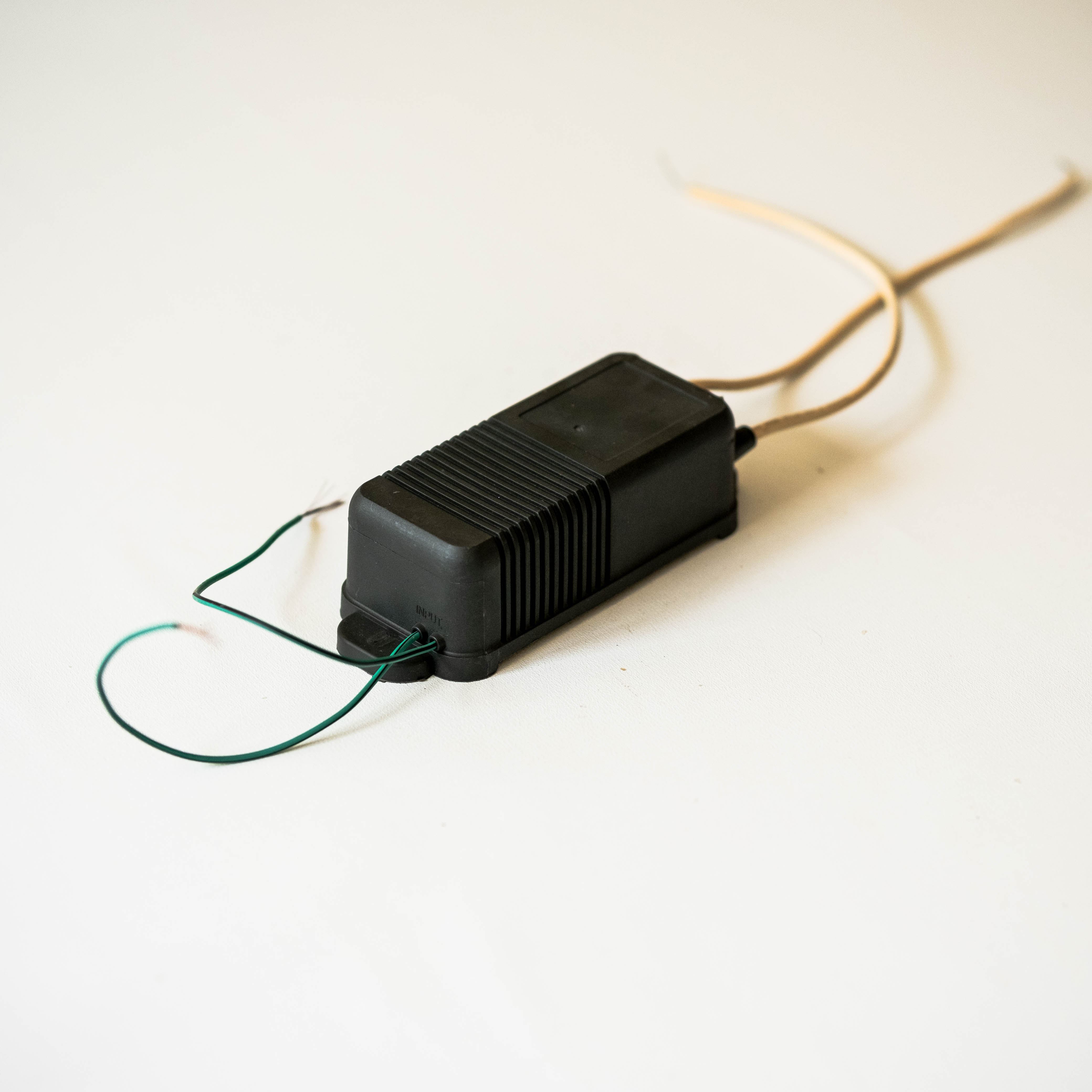
Operating an ozone generator requires strict adherence to safety protocols to protect personnel, facilities, and equipment from potential hazards. Ozone is a highly reactive oxidizing agent that delivers powerful disinfection and purification benefits across industrial, commercial, and laboratory settings. However, improper handling or inadequate safety measures can create serious health risks and equipment damage. Understanding the essential safety precautions when using an ozone generator is fundamental to maintaining a safe operational environment and maximizing the equipment's effectiveness and lifespan.
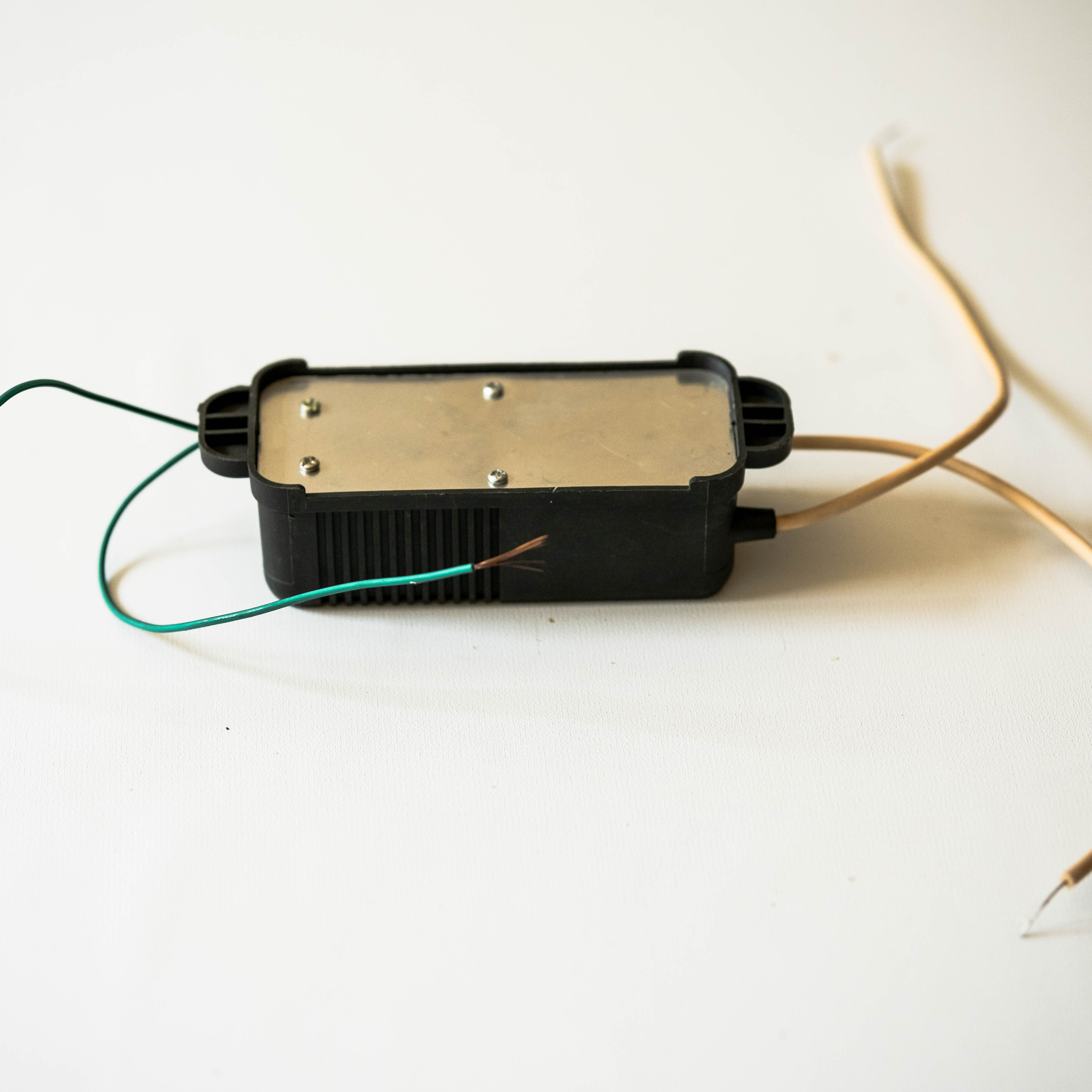
This comprehensive guide explores the critical safety precautions necessary for operating an ozone generator safely and effectively. From personal protective equipment requirements to facility design considerations, understanding these precautions protects your team and ensures compliance with industrial safety regulations. Organizations that prioritize ozone generator safety minimize downtime, reduce liability exposure, and build a culture of operational excellence.
Personal Protective Equipment and Worker Protection
Respiratory Protection During Ozone Generator Operation
Respiratory protection is the cornerstone of personal safety when working with an ozone generator. Ozone exposure can cause significant respiratory irritation, reduced lung function, and long-term airway damage at concentrations as low as 0.1 ppm. Workers must wear appropriate respirators approved for ozone filtration, typically organic vapor cartridge respirators or powered air-purifying respirators for high-exposure scenarios. Before using any ozone generator, conduct a proper fit test for respiratory equipment to ensure adequate seal and protection. Fit testing must be repeated annually and whenever workers change, according to occupational safety standards. Documentation of all fit tests should be maintained for compliance verification and worker safety records.
Eye and Skin Protection Requirements
Direct ozone exposure can irritate eyes and cause temporary discomfort or chemical burns in severe cases. Personnel operating an ozone generator must wear safety glasses with side shields or chemical splash goggles to protect against unexpected ozone releases or splashing from treated water. Chemical-resistant gloves, typically nitrile or butyl rubber, should be worn when handling ozone generator components, collection vessels, or treated materials. Long sleeves and protective clothing are recommended in facilities where ozone generator operation involves high-concentration ozone handling. Regular skin inspection following exposure and immediate flushing with water if irritation occurs demonstrates proper preventive care and reduces cumulative exposure effects.
Ventilation, Monitoring, and Environmental Control
Adequate Ventilation Systems for Ozone Generator Facilities
Proper ventilation is essential when operating an ozone generator in enclosed spaces. Ozone concentration levels must remain below occupational exposure limits of 0.1 ppm for eight-hour time-weighted averages. Install a dedicated exhaust ventilation system that removes ozone-laden air from the treatment area and vents it outdoors, away from building intake systems and occupied spaces. The ventilation rate must be calculated based on ozone generator output capacity and room volume to ensure adequate air changes per hour. For a typical industrial ozone generator producing high concentrations, calculate ventilation needs by dividing the ozone generation rate by the acceptable exposure limit. Mechanical ventilation systems require regular filter maintenance, air duct inspection, and performance verification to maintain effectiveness and prevent ozone buildup.
Real-Time Ozone Concentration Monitoring
Continuous or frequent monitoring of ambient ozone levels is critical for safe ozone generator operation. Install calibrated ozone monitors or sensors in the facility to provide real-time concentration data and alarm notification when levels exceed safe thresholds. These monitoring devices alert operators immediately if the ozone generator malfunctions, ventilation fails, or unexpected ozone release occurs. Many ozone generator systems include integrated monitoring capabilities, but standalone air quality monitors provide additional redundancy and safety assurance. Personnel must understand alarm signals and have a clear emergency response procedure when concentration limits are exceeded. Documentation of ozone levels, alarm events, and corrective actions should be maintained as part of the facility's safety record and regulatory compliance file.
Equipment Maintenance, Emergency Response, and Operational Protocols
Regular Inspection and Preventive Maintenance of Ozone Generator Systems
Preventive maintenance minimizes malfunction risks and extends the lifespan of an ozone generator while reducing safety hazards. Establish a documented maintenance schedule that includes weekly visual inspections, monthly performance checks, and annual professional servicing. Inspect discharge tubing, connections, and fittings for corrosion, cracks, or leaks that could allow uncontrolled ozone release. Check cooling systems, electrical connections, and safety interlocks regularly to ensure the ozone generator operates within design parameters. Replace worn components, degraded seals, and corroded metal parts before failures occur. Maintain a spare parts inventory for critical components to minimize downtime when repairs are needed. Proper maintenance prevents the ozone generator from operating at elevated pressures or temperatures that could trigger dangerous ozone release or equipment failure.
Emergency Procedures and Response Planning for Ozone Incidents
Develop comprehensive emergency response procedures before establishing ozone generator operations. All personnel must receive training on recognizing ozone exposure symptoms including coughing, chest tightness, throat irritation, and respiratory distress. Establish clear evacuation routes and assembly points for personnel exposure scenarios. Ensure immediate access to emergency eyewash and shower stations within thirty seconds of the ozone generator location. Post warning signage indicating ozone hazard areas and specifying required personal protective equipment for entry. Create an incident response checklist detailing steps for stopping the ozone generator, activating ventilation, evacuating the area, and contacting medical personnel. Conduct quarterly emergency drills to ensure all team members understand procedures and can execute them rapidly if exposure occurs. Document all training attendance and drills in safety records for regulatory compliance verification.
Safe Operation Protocols and Shutdown Procedures
Establish standardized operating procedures that all personnel must follow when working with an ozone generator. Only trained and authorized operators should activate or adjust the ozone generator settings. Before startup, verify ventilation operation, monitor functionality, and personal protective equipment availability. Establish maximum daily operating duration limits and required cooling periods to prevent equipment overheating and thermal degradation. Operators must never exceed the ozone generator manufacturer's recommended output levels or operating parameters. Implement a lockout-tagout system for the ozone generator to prevent accidental restart during maintenance or emergencies. After shutdown, allow adequate time for residual ozone to dissipate and verify concentration levels have returned to safe ranges before personnel enter the treatment area. Never disable safety interlocks or alarm systems, as these critical features protect against unexpected ozone release.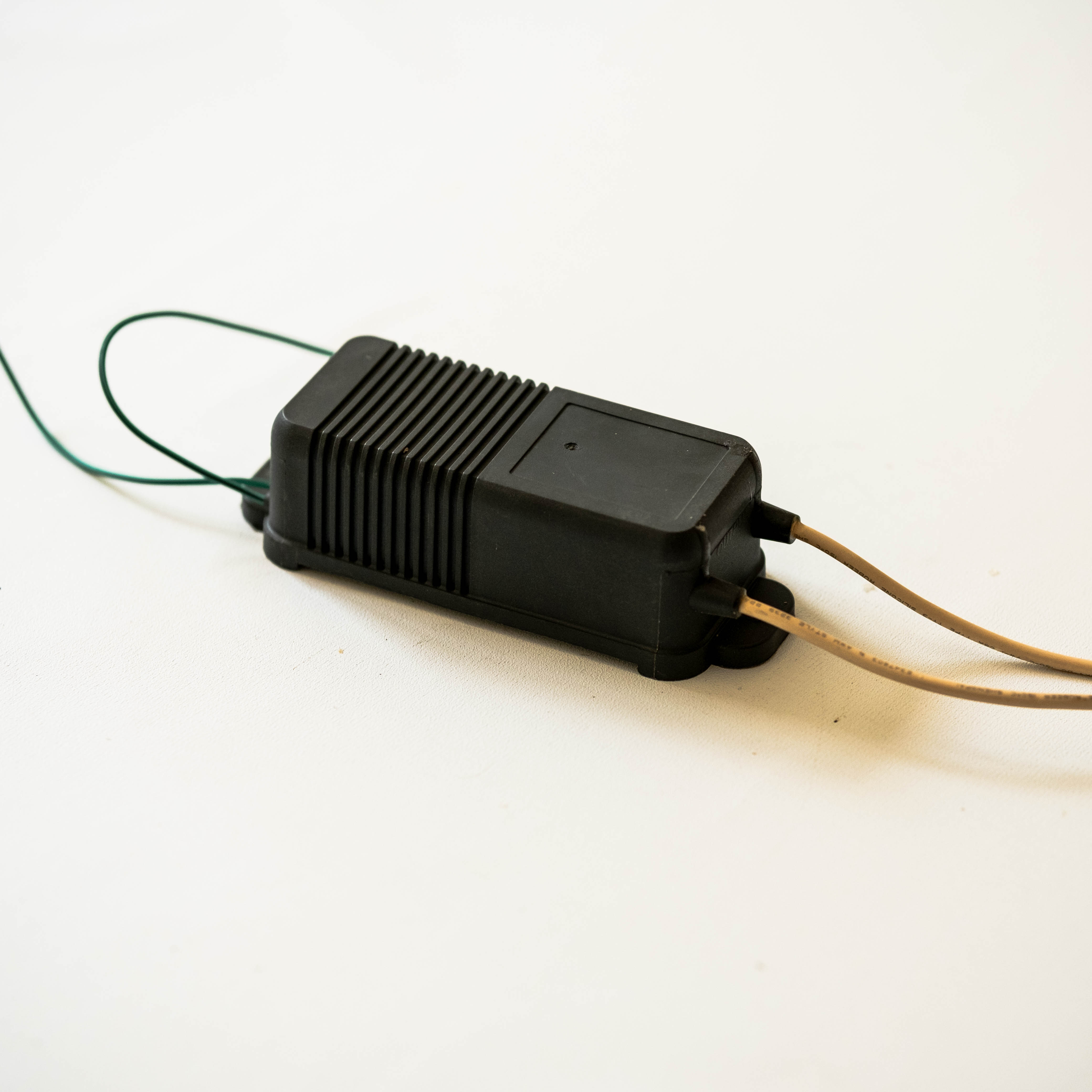
FAQ
What are the primary health effects of ozone exposure from an ozone generator?
Acute ozone exposure causes respiratory irritation, coughing, chest discomfort, and reduced lung function. Chronic exposure to high ozone concentrations increases the risk of permanent airway damage and reduced respiratory capacity. Individuals with asthma or pre-existing respiratory conditions are particularly vulnerable to ozone generator exposure effects. Even low-level exposure can cause headaches, eye irritation, and throat dryness. Medical monitoring should be considered for workers regularly exposed to ozone generators in industrial settings.
How often should an ozone generator be maintained to ensure operational safety?
An ozone generator should undergo visual inspection weekly, performance verification monthly, and comprehensive professional maintenance annually. However, facilities with high-capacity ozone generators or continuous operation may require more frequent servicing. Maintenance frequency depends on the specific ozone generator model, environmental conditions, and operational intensity. Always consult the manufacturer's recommendations for your particular ozone generator system. Maintaining detailed service records helps identify patterns and prevents unexpected equipment failures that could compromise safety.
What should I do if I suspect acute ozone exposure in a facility with an ozone generator?
Immediately evacuate the affected area and move personnel to fresh air outside the building. Stop the ozone generator operation and activate mechanical ventilation to maximum capacity. Contact emergency medical services if respiratory symptoms persist or worsen. Contact occupational safety regulatory agencies if significant exposure occurred. Thoroughly investigate the cause of ozone release and implement corrective measures before resuming ozone generator operation. Document all exposure incidents and medical responses for regulatory reporting and future prevention planning.