
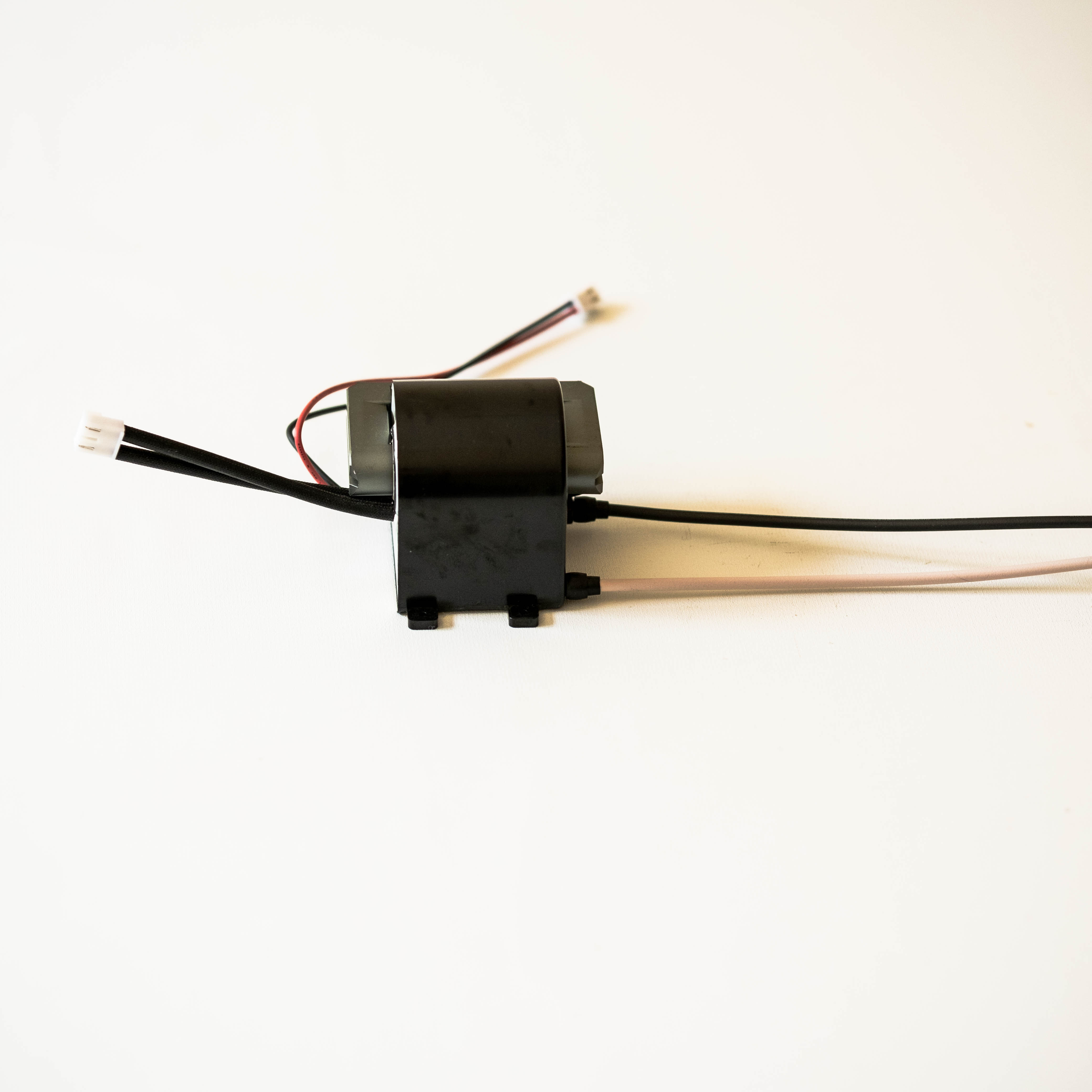
Air quality has become a critical concern for both commercial and residential environments, driving demand for advanced purification solutions. An ozone generator represents one of the most effective technologies available today for eliminating airborne contaminants, odors, and pathogens. Unlike traditional filtration systems that simply trap particles, an ozone generator actively neutralizes pollutants at the molecular level, making it a powerful tool for comprehensive air purification across diverse applications.
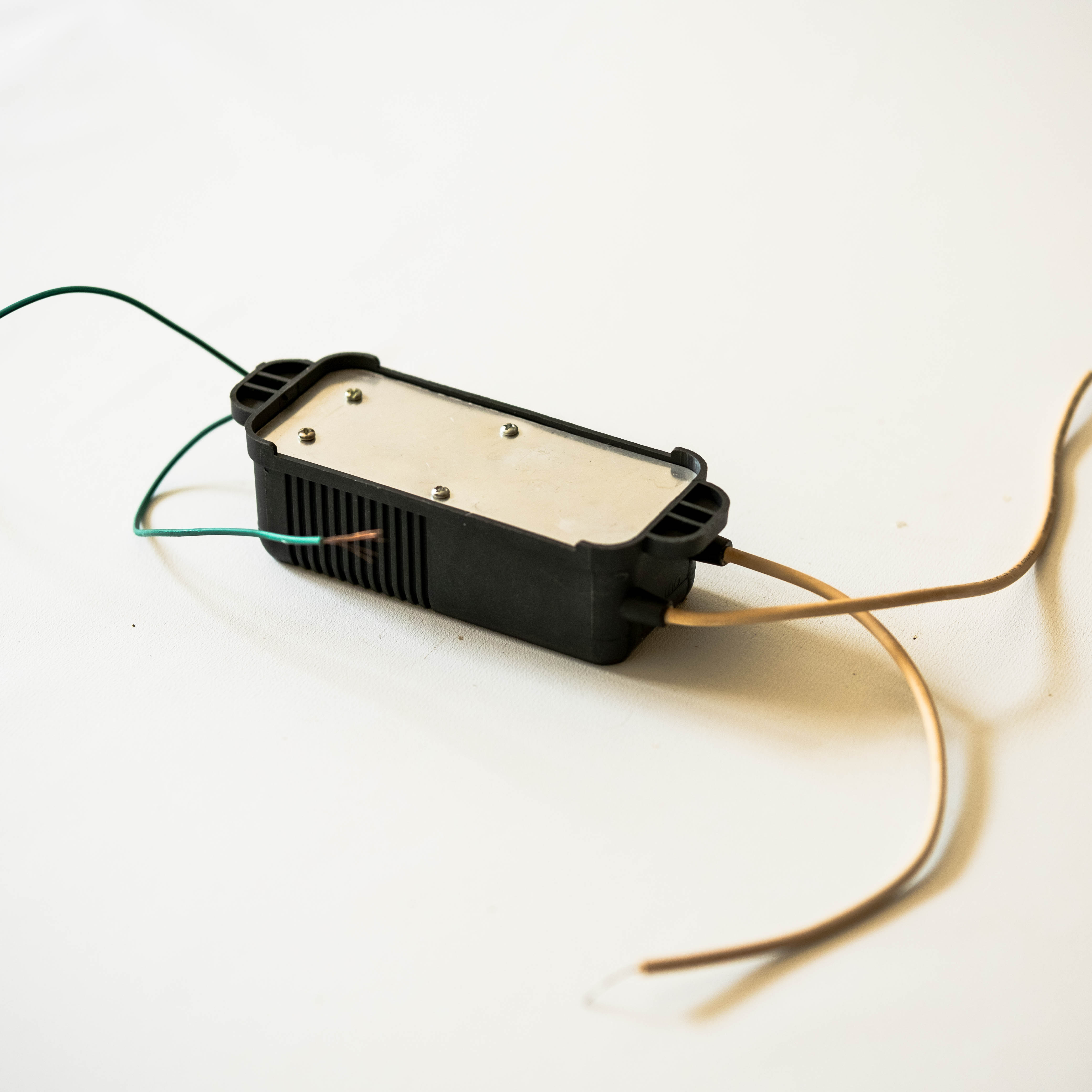
Understanding the specific advantages of an ozone generator helps facility managers, industrial operators, and homeowners make informed decisions about their air quality investment. This article explores the core benefits of ozone generator systems, from odor elimination and microbial reduction to energy efficiency and operational flexibility in various settings.
Ozone Generator Technology and How It Purifies Air
The Science Behind Ozone Generation
An ozone generator operates by converting oxygen molecules into ozone, a highly reactive form of oxygen containing three atoms instead of two. This process occurs through either corona discharge or ultraviolet light exposure, both proven methods for creating ozone molecules that actively seek out and neutralize contaminants. The ozone generator's effectiveness stems from ozone's powerful oxidizing properties, which break down the cellular structures of bacteria, viruses, and odor-causing compounds without leaving harmful residues behind.
When an ozone generator releases ozone into an enclosed space, the gas circulates throughout the environment and reacts with pollutants, allergens, and microbial organisms. This oxidation process converts contaminants into harmless byproducts like oxygen and water vapor, making an ozone generator fundamentally different from passive filtration approaches. The reactive nature of ozone means an ozone generator can reach areas where physical filters cannot, eliminating hidden sources of odors and pathogens in corners, vents, and porous materials.
Ozone Generator Performance in Different Environments
An ozone generator performs exceptionally well in enclosed environments where air circulation can be controlled, maximizing the contact time between ozone and contaminants. Commercial facilities, pharmaceutical clean rooms, food processing plants, and hospitality venues frequently deploy an ozone generator to maintain superior air quality standards. Residential applications also benefit significantly from an ozone generator, particularly in homes affected by smoke damage, pet odors, or musty smells that traditional methods struggle to eliminate completely.
The effectiveness of an ozone generator depends on factors including ozone output concentration, exposure time, target contaminants, and proper ventilation planning. Higher-capacity models can treat larger square footage, while lower-output units serve smaller rooms or supplementary purification roles. An ozone generator designed for industrial use differs from residential models in capacity, durability, and control features, though the fundamental principle of ozone generation remains consistent across all applications.
Key Benefits of Ozone Generator Implementation
Superior Odor Elimination and Contamination Control
One of the most compelling benefits of an ozone generator is its unmatched ability to eliminate persistent odors at their source rather than masking them temporarily. Smoke, cooking odors, pet smells, and mustiness that permeate fabrics and surfaces respond readily to ozone treatment. An ozone generator oxidizes odor molecules completely, making it invaluable for remediation professionals, restoration companies, and property managers dealing with challenging air quality problems that conventional deodorizers cannot solve.
Beyond odor control, an ozone generator significantly reduces airborne pathogens, bacteria, and mold spores that can trigger respiratory issues and allergic reactions. Hospitals, medical facilities, and sanitization-sensitive industries rely on an ozone generator to supplement their infection control protocols. The antimicrobial effectiveness of an ozone generator makes it particularly valuable during disease outbreaks or in environments where pathogen reduction directly impacts occupant health and safety.
Cost-Effectiveness and Operational Advantages
Operating an ozone generator typically costs less than maintaining multiple traditional filtration systems because ozone generation requires minimal consumable replacements compared to filter cartridge purchases and changes. An ozone generator produces purification directly through gas generation rather than trapping contaminants in disposable filters, reducing long-term operational expenses significantly. Facility managers appreciate the economic efficiency of an ozone generator, especially when treating large areas where traditional HEPA filtration would require substantial infrastructure investment and ongoing maintenance costs.
The simplicity of deploying an ozone generator offers another operational advantage, as installation requires minimal modification to existing infrastructure. An ozone generator can be integrated into current ventilation systems or operated as a standalone unit, providing flexibility unavailable with many competitor technologies. Energy consumption for an ozone generator remains relatively low compared to industrial air handling equipment, contributing to reduced utility expenses and environmental sustainability objectives.
Versatility Across Multiple Applications and Industries
The adaptability of an ozone generator extends across virtually every industry sector requiring air quality management. Food and beverage processing facilities deploy an ozone generator for surface sanitation and airborne pathogen reduction while maintaining product safety. Hospitality venues, automotive shops, water treatment facilities, and agricultural operations all benefit from the multifunctional capabilities that an ozone generator provides compared to single-purpose filtration equipment.
An ozone generator's capacity to address multiple air quality challenges simultaneously—reducing odors, pathogens, volatile organic compounds, and allergens—makes it exceptionally valuable for complex purification requirements. The speed of purification offered by an ozone generator outpaces traditional methods, allowing faster remediation of contaminated spaces. This versatility means that an ozone generator investment serves multiple operational objectives rather than solving a single narrow problem, improving overall return on investment for commercial and industrial users.
Practical Implementation and Safety Considerations
Proper Ozone Generator Setup and Operation
Successful ozone generator deployment requires careful planning to match unit capacity with room volume and contamination severity. An ozone generator should be selected based on cubic footage specifications and the concentration of target contaminants, ensuring the system can deliver adequate treatment within reasonable timeframes. Professional guidance when installing an ozone generator ensures optimal placement, ventilation management, and operating protocols that maximize purification while maintaining safety for occupants.
Operating an ozone generator effectively involves understanding recommended runtime durations, which vary based on specific applications and ozone concentration levels. An ozone generator used for overnight odor remediation differs significantly in operation from continuous low-level air purification applications. Manufacturers provide detailed specifications for each ozone generator model, and following these guidelines ensures consistent results and extends equipment lifespan substantially.
Health and Environmental Safeguards
While an ozone generator provides powerful purification benefits, responsible use requires understanding ozone exposure limits and occupant safety protocols. Modern ozone generator systems include controls and monitoring features that maintain ozone concentrations within safe parameters recommended by regulatory agencies. An ozone generator should operate in unoccupied spaces during peak treatment cycles, with adequate ventilation afterward to allow residual ozone to dissipate safely before occupants return.
Environmental regulations in various jurisdictions govern ozone generator usage, making regulatory compliance essential for facility operators. An ozone generator's safety profile improves significantly when proper operational procedures are followed and maintenance schedules are adhered to consistently. Professional training for staff responsible for ozone generator operation ensures understanding of safety protocols, emergency procedures, and best practices for maintaining optimal air quality outcomes.
FAQ
How quickly does an ozone generator eliminate odors compared to other purification methods?
An ozone generator typically eliminates odors faster than traditional filtration or deodorizing methods because ozone actively oxidizes odor molecules rather than simply filtering or absorbing them. Depending on room size and ozone generator capacity, noticeable odor reduction often occurs within hours rather than days. The speed advantage of an ozone generator makes it particularly valuable for commercial operations requiring rapid air quality restoration, such as hotels preparing rooms for incoming guests or restoration companies addressing fire or flood damage.
What makes an ozone generator more effective than HEPA filters for air purification?
An ozone generator and HEPA filters operate through fundamentally different mechanisms, each offering distinct advantages. An ozone generator neutralizes contaminants chemically through oxidation, reaching areas and pollutants that passive filters cannot, including odors embedded in soft furnishings and surfaces. While HEPA filters excel at trapping particulate matter, an ozone generator addresses gaseous contaminants, odors, and pathogens more effectively. Many facilities use both technologies complementarily, with an ozone generator handling chemical and biological contaminants while HEPA filtration manages particulate matter.
Is an ozone generator safe for use in occupied spaces?
Modern ozone generator equipment manufactured for residential and commercial use operates safely when deployed according to manufacturer specifications and regulatory guidelines. An ozone generator should be used in unoccupied spaces during intensive treatment cycles, with adequate ventilation afterward to ensure ozone dispersal. Professional-grade ozone generator systems include safety controls and monitoring features that prevent unsafe ozone accumulation, and manufacturers provide clear operational guidelines that protect occupant health while delivering effective air purification results.