
Choosing the right ozone generator for your factory is one of the most important equipment decisions you will make for air treatment, water purification, or odor control. An ozone generator that is undersized will fail to meet your treatment targets, while one that is oversized will waste energy and increase operating costs. Getting the selection right from the start saves time, money, and operational headaches across the full lifecycle of the unit.
Factory environments vary widely in terms of volume, contaminant load, humidity, and operational cycles. This means that selecting an ozone generator is never a one-size-fits-all process. Every factory needs a thorough evaluation of its specific conditions before committing to a particular ozone generator model or capacity. This guide walks through the essential selection criteria so your team can make a confident, well-informed decision.
Understanding Your Factory Treatment Requirements
Define the Application Before Sizing the Ozone Generator
Before you evaluate any ozone generator on the market, you must clearly define what the ozone generator needs to accomplish. Common factory applications include ambient air disinfection, exhaust odor neutralization, cooling water treatment, process water purification, and surface sterilization. Each application demands a different ozone output level, exposure time, and system configuration. A factory using an ozone generator purely for odor control in a packaging area will have very different requirements than a plant using an ozone generator for wastewater treatment.
Once the application is defined, calculate the treatment volume. For air applications, measure the cubic meters of space that the ozone generator must treat within a given time cycle. For water applications, determine the flow rate in liters per hour or cubic meters per day. These figures directly determine the minimum ozone output your ozone generator must deliver to achieve effective results.
Contaminant Load and Ozone Demand
Every factory has a unique contaminant profile. A food processing facility dealing with organic odors places a much higher ozone demand on an ozone generator than a clean-room manufacturing environment. High ozone demand means faster ozone consumption, which requires an ozone generator with greater sustained output capacity. Always factor in peak operational periods when contaminant loads are highest, not just average conditions. Sizing your ozone generator only for average load is a common mistake that leads to underperformance during critical production cycles.
Key Technical Specifications to Evaluate
Ozone Output Capacity and Concentration
The ozone generator output is measured in grams per hour (g/h) for industrial units. This rating tells you how much ozone the ozone generator produces within a fixed time period under standard conditions. However, the actual ozone concentration delivered to the treatment zone also depends on the airflow rate passing through the ozone generator. A high-output ozone generator paired with excessive airflow may dilute ozone concentration below effective treatment thresholds. Always evaluate output capacity and concentration together, not separately.
Most industrial ozone generator units also specify the feed gas type — either ambient air or pure oxygen. An ozone generator fed with pure oxygen produces significantly higher ozone concentrations than one using ambient air. If your factory process demands high ozone concentration at lower flow rates, an oxygen-fed ozone generator is the better choice. If broad coverage at moderate concentration is sufficient, an air-fed ozone generator may be more cost-effective to operate.
Dielectric Material and Discharge Cell Design
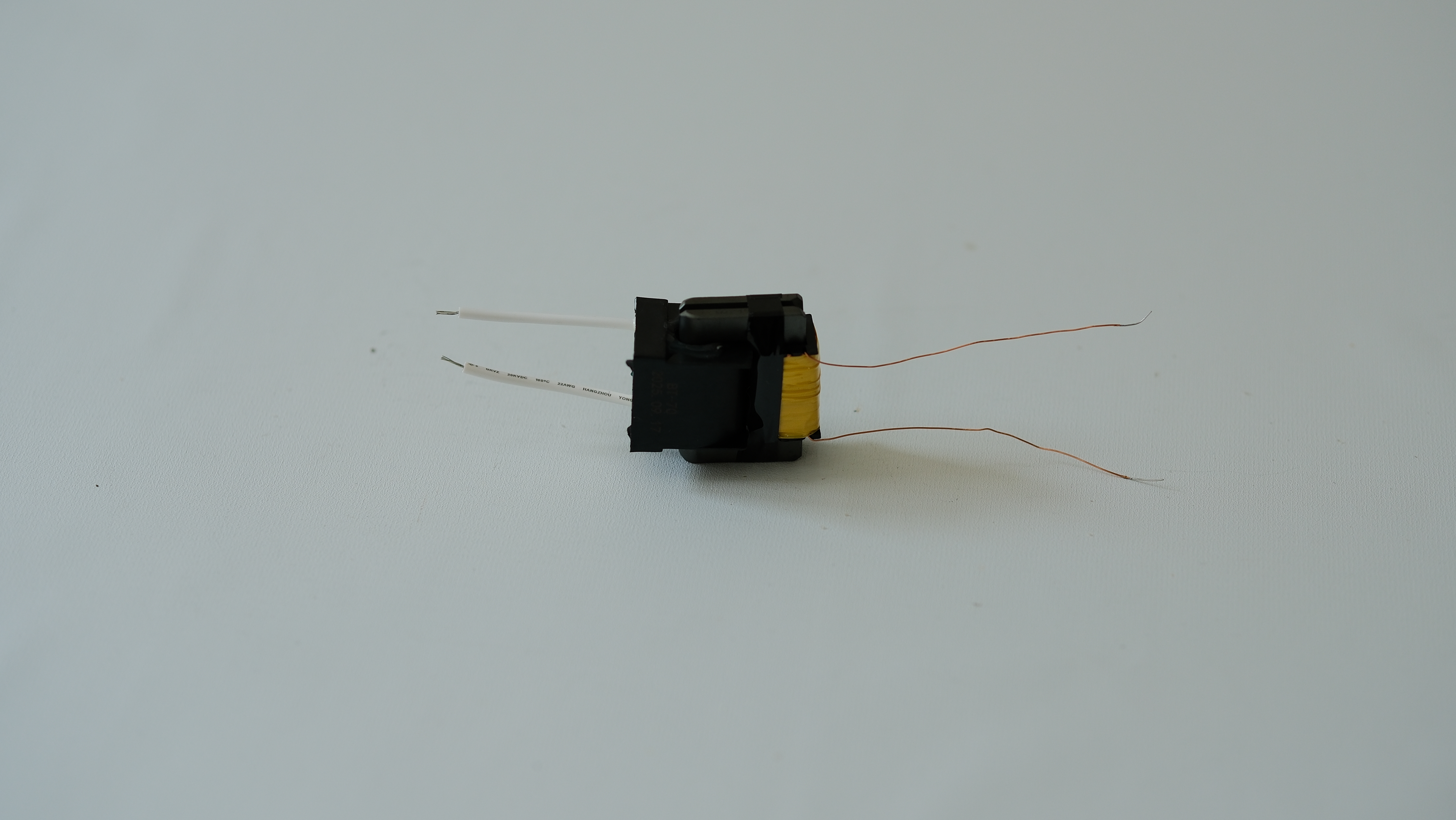
The discharge cell is the core component of any ozone generator. It uses corona discharge technology to convert oxygen molecules into ozone. The dielectric material used in the cell — typically ceramic or glass — affects both ozone yield and long-term reliability. A well-designed ozone generator discharge cell maintains consistent output even under variable humidity conditions. In factory environments where humidity fluctuates, choosing an ozone generator with ceramic dielectrics typically offers better resistance to moisture degradation and longer service intervals.
Cooling method is another critical design factor. Large-capacity ozone generator units use either air cooling or water cooling. A water-cooled ozone generator maintains more stable operating temperatures during continuous high-load operation, which improves both ozone output stability and equipment lifespan. For factories running the ozone generator continuously over long shifts, water cooling is generally the preferred configuration.
Installation, Safety, and Operational Fit
Space, Power, and Integration Requirements
A factory environment has strict constraints on space, electrical supply, and integration with existing systems. When evaluating an ozone generator, confirm the physical footprint, power supply requirements in volts and amperes, and whether the ozone generator can integrate with your existing SCADA or process control system. Many modern industrial ozone generator units support 4–20 mA signal inputs and remote on/off control, which simplifies automation. An ozone generator that cannot integrate with your control infrastructure will require manual monitoring, increasing labor cost and the risk of under- or over-dosing.
Pipe and duct connections must also be evaluated. An ozone generator designed for water treatment typically connects via stainless steel or PTFE-lined piping due to ozone's highly oxidizing nature. Ensure that all materials in contact with ozone output from the ozone generator are ozone-compatible. Using incompatible materials causes rapid component degradation and creates safety hazards in the factory environment.
Safety Protocols for Ozone Generator Operation
Ozone is a powerful oxidizer and must be handled with strict safety discipline. Any factory deploying an ozone generator must install ambient ozone monitoring sensors at occupancy zones. These sensors detect ozone concentration levels and trigger alarms or automatic ozone generator shutdown if thresholds are exceeded. Regulatory bodies in most countries set maximum allowable workplace ozone exposure limits, typically around 0.1 ppm for an eight-hour workday. Your ozone generator installation plan must account for these limits by ensuring adequate ventilation and physical separation between the ozone generator output zone and staffed areas.
Regular maintenance schedules are essential for every ozone generator deployed in a factory setting. Discharge cells degrade over time, reducing ozone output efficiency. Scheduled inspection and replacement of ozone generator components ensures consistent performance and prevents safety incidents caused by unexpected ozone leaks or pressure buildup in the system.
FAQ
What ozone generator output size does a typical factory need?
The right ozone generator output depends on your treatment volume and contaminant load. As a general starting point, air treatment applications often require roughly 1 to 5 grams of ozone per hour per 100 cubic meters of space, but high-odor or high-contamination environments may require a more powerful ozone generator. Always consult a technical specialist to calculate your specific ozone demand before purchasing an ozone generator.
Can one ozone generator handle both air and water treatment in a factory?
Some industrial ozone generator models are designed for dual application, but most are optimized for either gas-phase or liquid-phase treatment. Using a single ozone generator for both applications simultaneously typically requires a dedicated manifold and dosing system, which adds complexity. For factories with significant treatment needs in both areas, separate dedicated ozone generator units often deliver better performance and reliability than a shared system.
How often does an industrial ozone generator need maintenance?
Maintenance frequency for an ozone generator depends on operating hours, feed gas quality, and environmental conditions. Most industrial ozone generator manufacturers recommend inspection of the discharge cell every 6 to 12 months for continuous-operation units. Cooling systems, filters, and seals on the ozone generator should also be checked quarterly. Keeping a documented maintenance log for your ozone generator helps extend service life and ensures consistent ozone output over time.