
Electrostatic spraying operations require comprehensive safety protocols to protect workers and ensure optimal equipment performance. The high-voltage nature of electrostatic spraying safety systems demands careful attention to electrical hazards, proper grounding procedures, and environmental controls. Understanding these critical safety measures is essential for maintaining a secure working environment while achieving superior coating quality and transfer efficiency.
Electrical Safety Protocols
High Voltage System Management
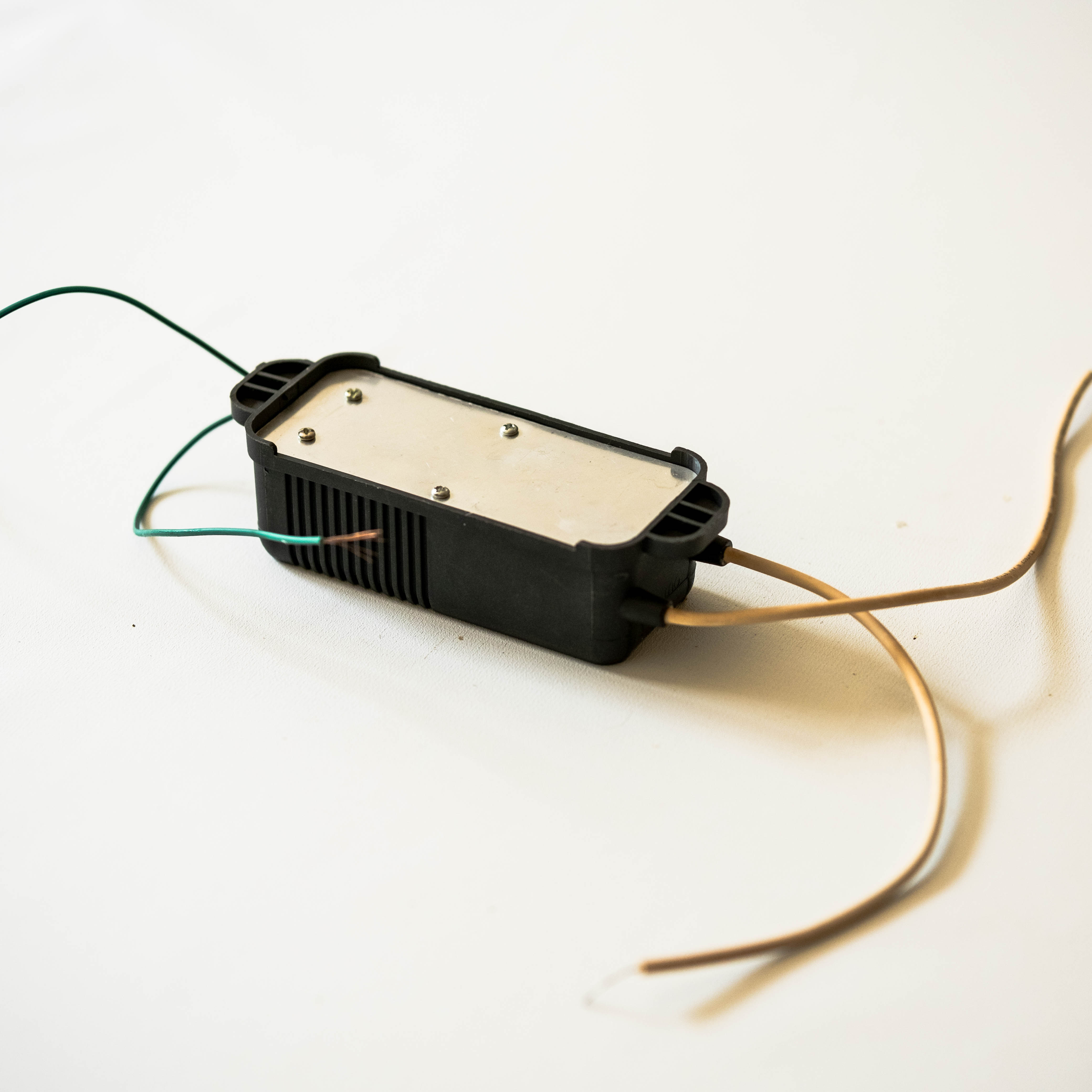
Proper management of high-voltage systems forms the foundation of electrostatic spraying safety protocols. Operators must receive specialized training on electrical hazards associated with voltage levels ranging from 30kV to 100kV commonly used in electrostatic equipment. The high-voltage module controls require regular inspection and maintenance to prevent electrical failures that could compromise worker safety.
Installation of emergency shutdown systems provides immediate power disconnection capabilities when safety concerns arise. These systems should be easily accessible from multiple locations within the spray booth and clearly marked with appropriate signage. Regular testing of emergency shutdown procedures ensures rapid response during potential electrical incidents.
Lockout and tagout procedures must be implemented whenever maintenance or service work is performed on electrostatic equipment. This prevents accidental energization of systems while personnel are working on electrical components. All maintenance staff should be trained in proper LOTO procedures specific to electrostatic spraying safety requirements.
Grounding and Bonding Requirements
Effective grounding systems are critical components of comprehensive electrostatic spraying safety programs. All conductive surfaces within the spray area must be properly grounded to prevent static charge accumulation. This includes workpieces, conveyor systems, booth structures, and any metallic objects within the spray zone.
Grounding resistance should be measured regularly and maintained below one megohm to ensure adequate electrical continuity. Ground fault circuit interrupters should be installed on all electrical circuits supplying power to spray equipment. These devices provide additional protection against electrical shock hazards in wet or humid environments.
Personnel grounding requirements include the use of conductive footwear and wrist straps when working directly with electrostatic equipment. These devices ensure that operators maintain electrical continuity with the grounding system, preventing dangerous charge buildup on their bodies during spray operations.
Personal Protective Equipment
Respiratory Protection Systems
Respiratory protection represents a crucial element of electrostatic spraying safety protocols due to potential exposure to paint particles and solvent vapors. Supplied air respirators provide the highest level of protection by delivering clean, filtered air to operators working in spray environments. These systems maintain positive pressure within the respirator, preventing contaminated air from entering.
Selection of appropriate respiratory protection depends on the specific coating materials being applied and their associated health hazards. Air-purifying respirators with appropriate cartridge filters may be suitable for certain low-toxicity materials, while more hazardous substances require supplied air systems. Regular fit testing ensures proper seal between respirator and operator's face.
Maintenance of respiratory equipment includes daily inspection, cleaning, and filter replacement according to manufacturer specifications. Backup respiratory systems should be readily available in case of primary system failure. Training programs must cover proper donning and doffing procedures to maintain protection effectiveness.
Protective Clothing and Equipment
Appropriate protective clothing shields operators from coating overspray and chemical exposure while maintaining electrostatic spraying safety standards. Coveralls made from conductive or static-dissipative materials prevent charge accumulation on clothing surfaces. These garments should be properly fitted to avoid interference with equipment operation.
Eye protection requirements include safety glasses or face shields resistant to chemical splash and impact. Anti-fog coatings help maintain clear vision in humid spray environments. Gloves must provide chemical resistance while maintaining dexterity for equipment operation. Nitrile or neoprene materials offer good protection against most coating solvents.
Conductive footwear ensures electrical continuity between operators and grounding systems throughout spray operations. Regular testing of shoe conductivity verifies continued protection effectiveness. Slip-resistant soles provide additional safety on potentially wet or slippery spray booth floors.
Environmental Controls and Ventilation
Air Movement and Quality Management
Proper ventilation systems maintain safe air quality while supporting effective electrostatic spraying safety protocols. Adequate air movement prevents accumulation of flammable vapors that could create explosion hazards when combined with electrical equipment. Exhaust systems should provide sufficient air changes per hour based on booth size and coating material requirements.
Air filtration systems remove overspray particles and contaminants before exhausting air to the environment. Multi-stage filtration including dry filters and wet scrubbers captures particles of various sizes. Regular filter maintenance ensures consistent performance and prevents system overload.
Air quality monitoring systems continuously track vapor concentrations and provide early warning of potentially hazardous conditions. These systems should trigger alarms and automatic equipment shutdown when vapor levels exceed safe thresholds. Calibration of monitoring equipment ensures accurate readings and reliable protection.
Temperature and Humidity Control
Environmental conditions significantly impact electrostatic spraying safety and coating quality. Temperature control systems maintain optimal conditions for coating application while preventing condensation that could affect electrical equipment performance. Heating and cooling systems should be designed to avoid creating air currents that interfere with spray patterns.
Humidity control prevents static charge dissipation that reduces coating transfer efficiency. Relative humidity levels between 45-65% typically provide optimal conditions for most electrostatic spray applications. Dehumidification systems remove excess moisture during humid conditions, while humidification may be required in very dry environments.
Monitoring and recording environmental conditions helps identify trends that may affect safety or quality. Automated control systems adjust temperature and humidity based on preset parameters. Regular calibration of sensors ensures accurate environmental control throughout spray operations.
Fire and Explosion Prevention
Flammable Material Management
Managing flammable materials requires strict adherence to electrostatic spraying safety protocols to prevent fire and explosion hazards. Proper storage of coating materials includes segregation of incompatible chemicals and maintenance of appropriate storage temperatures. Flammable liquid storage should be limited to quantities needed for daily operations, with bulk storage located in separate, properly designed facilities.
Vapor control systems prevent accumulation of flammable concentrations in spray areas. Lower explosive limit monitoring provides continuous surveillance of vapor concentrations with automatic alarms and equipment shutdown capabilities. Purge systems can quickly remove flammable vapors if concentrations approach dangerous levels.
Hot work permits and procedures control activities that could provide ignition sources near spray operations. These procedures require isolation of flammable materials, fire watch personnel, and appropriate firefighting equipment. Coordination between spray operations and maintenance activities prevents simultaneous exposure to ignition sources and flammable vapors.
Fire Suppression Systems
Fire suppression systems provide rapid response capabilities for protecting personnel and equipment during fire emergencies. Automatic sprinkler systems offer general fire protection, while specialized suppression systems may be required for electrical equipment areas. Water mist systems provide effective fire suppression while minimizing water damage to sensitive equipment.
Carbon dioxide suppression systems effectively extinguish flammable liquid fires without leaving residue that could contaminate coating operations. These systems require proper ventilation to prevent CO2 accumulation that could endanger personnel. Clear evacuation procedures must be established and practiced regularly.
Portable fire extinguishers provide immediate response capability for small fires before automatic systems activate. Class B extinguishers are appropriate for flammable liquid fires, while Class C units handle electrical fires safely. Regular inspection and maintenance ensure extinguishers remain ready for emergency use.
Equipment Maintenance and Inspection
Preventive Maintenance Programs
Comprehensive preventive maintenance programs ensure continued reliability of safety systems while supporting electrostatic spraying safety objectives. Regular inspection schedules identify potential problems before they compromise equipment performance or worker safety. Documentation of maintenance activities provides verification of compliance with safety requirements and manufacturer recommendations.
Electrical system maintenance includes verification of proper grounding, insulation resistance testing, and calibration of safety interlocks. High voltage components require specialized testing procedures and qualified personnel. Replacement of worn components prevents failures that could create safety hazards or reduce equipment performance.
Mechanical system maintenance covers spray gun assemblies, fluid delivery systems, and booth ventilation components. Regular cleaning prevents buildup of coating materials that could interfere with proper operation. Lubrication of moving parts ensures smooth operation and extends equipment life while maintaining safety system effectiveness.
Safety System Testing
Regular testing of safety systems verifies continued protection effectiveness throughout electrostatic spray operations. Emergency shutdown systems require periodic testing to ensure rapid response capabilities when needed. These tests should simulate actual emergency conditions while maintaining safe testing procedures.
Grounding system testing measures electrical continuity and resistance values to verify proper protection against static charge accumulation. Ground fault protection devices should be tested monthly to ensure continued operation. Documentation of test results provides evidence of compliance with electrostatic spraying safety standards and regulatory requirements.
Calibration of monitoring equipment ensures accurate detection of hazardous conditions and proper activation of safety systems. Gas detection systems require regular calibration with known concentrations of target gases. Environmental monitoring equipment needs periodic verification against reference standards to maintain measurement accuracy.
Training and Competency Development
Operator Training Programs
Comprehensive operator training programs form the foundation of effective electrostatic spraying safety implementation. Initial training covers basic safety principles, equipment operation, and emergency procedures specific to electrostatic spray systems. Hands-on training allows operators to practice safety procedures under supervised conditions before working independently.
Ongoing training programs address changes in equipment, procedures, or regulations that affect spray operations. Refresher training ensures operators maintain current knowledge of safety requirements and best practices. Competency assessments verify that operators can safely perform their assigned duties and respond appropriately to emergency situations.
Documentation of training activities demonstrates compliance with regulatory requirements and provides evidence of operator qualifications. Training records should include dates, topics covered, and assessment results. Regular review of training effectiveness helps identify areas for improvement and ensures programs meet current safety needs.
Emergency Response Training
Emergency response training prepares personnel to handle various incidents that may occur during electrostatic spray operations. Fire emergency procedures include evacuation routes, alarm activation, and initial response actions. Regular fire drills ensure personnel can respond quickly and safely when actual emergencies occur.
Electrical emergency training covers proper response to electrical shock incidents, including de-energization procedures and first aid measures. Personnel should understand how to safely approach electrical emergencies without becoming additional victims. Coordination with emergency medical services ensures rapid professional response when serious injuries occur.
Chemical exposure emergency procedures address proper response to skin contact, eye contact, and inhalation incidents. Emergency shower and eyewash stations must be readily accessible and properly maintained. Regular training on decontamination procedures helps minimize injury severity when chemical exposures occur.
Regulatory Compliance and Standards
OSHA Requirements
Occupational Safety and Health Administration requirements establish minimum standards for electrostatic spraying safety in workplace environments. General industry standards address electrical safety, personal protective equipment, and hazard communication requirements. Specific requirements for spray finishing operations provide detailed guidance for safe electrostatic spray implementation.
Electrical safety standards specify requirements for grounding, bonding, and equipment installation in spray environments. These requirements help prevent electrical hazards while ensuring proper electrostatic spray operation. Regular compliance audits verify continued adherence to OSHA requirements and identify areas needing improvement.
Documentation requirements include safety training records, equipment inspection logs, and incident reports. Proper record keeping demonstrates compliance efforts and provides valuable information for improving safety programs. OSHA inspection preparation involves reviewing all required documentation and ensuring systems meet current standards.
Industry Standards and Best Practices
Industry standards provide additional guidance beyond minimum regulatory requirements for achieving superior electrostatic spraying safety performance. National Fire Protection Association standards address fire prevention and suppression requirements specific to spray finishing operations. These standards help establish comprehensive fire safety programs.
American National Standards Institute publications provide technical guidance for equipment installation, operation, and maintenance. These standards incorporate current technology and best practices from industry experience. Following recognized standards demonstrates commitment to safety excellence and helps prevent incidents.
International standards may apply to facilities operating in global markets or using imported equipment. Understanding applicable standards helps ensure comprehensive compliance and facilitates equipment selection decisions. Regular review of standards updates keeps safety programs current with evolving requirements.
FAQ
What voltage levels are considered safe for electrostatic spraying operations
Safe voltage levels for electrostatic spraying typically range from 30kV to 100kV when proper safety measures are implemented. The actual voltage used depends on the specific application requirements and coating materials. Higher voltages may provide better transfer efficiency but require more stringent safety protocols including enhanced grounding systems and increased operator training. All high-voltage equipment must be properly maintained and operated according to manufacturer specifications to ensure electrostatic spraying safety.
How often should grounding systems be tested in electrostatic spray booths
Grounding systems should be tested at least monthly or before each production run to ensure continued effectiveness. Daily visual inspections of grounding connections help identify obvious problems such as broken wires or corroded connections. Resistance measurements should not exceed one megohm between any conductive surface and the main grounding system. More frequent testing may be required in environments with high humidity or corrosive conditions that could affect grounding system integrity.
What personal protective equipment is required for electrostatic spraying operations
Required personal protective equipment includes respiratory protection appropriate for the coating materials being used, conductive or static-dissipative clothing to prevent charge accumulation, and conductive footwear to maintain grounding continuity. Eye protection resistant to chemical splash and impact is essential, along with chemical-resistant gloves that maintain dexterity for equipment operation. The specific PPE requirements may vary based on the coating materials and environmental conditions, making proper hazard assessment crucial for electrostatic spraying safety.
What should be done if an electrical fault occurs during spray operations
If an electrical fault occurs, immediately activate the emergency shutdown system to de-energize all electrical equipment. Evacuate personnel from the immediate area and prevent anyone from approaching the equipment until it has been properly isolated and inspected by qualified personnel. Do not attempt to reset or restart equipment until the cause of the fault has been identified and corrected. All electrical faults should be documented and investigated to prevent recurrence and maintain electrostatic spraying safety standards.
Table of Contents
- Electrical Safety Protocols
- Personal Protective Equipment
- Environmental Controls and Ventilation
- Fire and Explosion Prevention
- Equipment Maintenance and Inspection
- Training and Competency Development
- Regulatory Compliance and Standards
-
FAQ
- What voltage levels are considered safe for electrostatic spraying operations
- How often should grounding systems be tested in electrostatic spray booths
- What personal protective equipment is required for electrostatic spraying operations
- What should be done if an electrical fault occurs during spray operations