
Industrial coating applications face mounting pressure to reduce material waste while maintaining high-quality finishes. Electrostatic spraying has emerged as a revolutionary technology that addresses both environmental concerns and operational efficiency by significantly reducing coating material waste. This advanced spraying technique harnesses the power of electrical charge to create an attraction between coating particles and target surfaces, resulting in dramatically improved transfer efficiency and reduced overspray.
Understanding Electrostatic Spraying Technology
Basic Principles of Electrostatic Charging
Electrostatic spraying operates on fundamental principles of electrical attraction and charge manipulation. The process involves applying a high-voltage electrical charge to coating materials as they pass through specialized spray equipment. This charging mechanism transforms neutral paint particles into electrically charged droplets that exhibit strong attraction toward grounded surfaces. The electrical field created between the charged coating particles and the grounded workpiece ensures efficient material deposition and minimal waste generation.
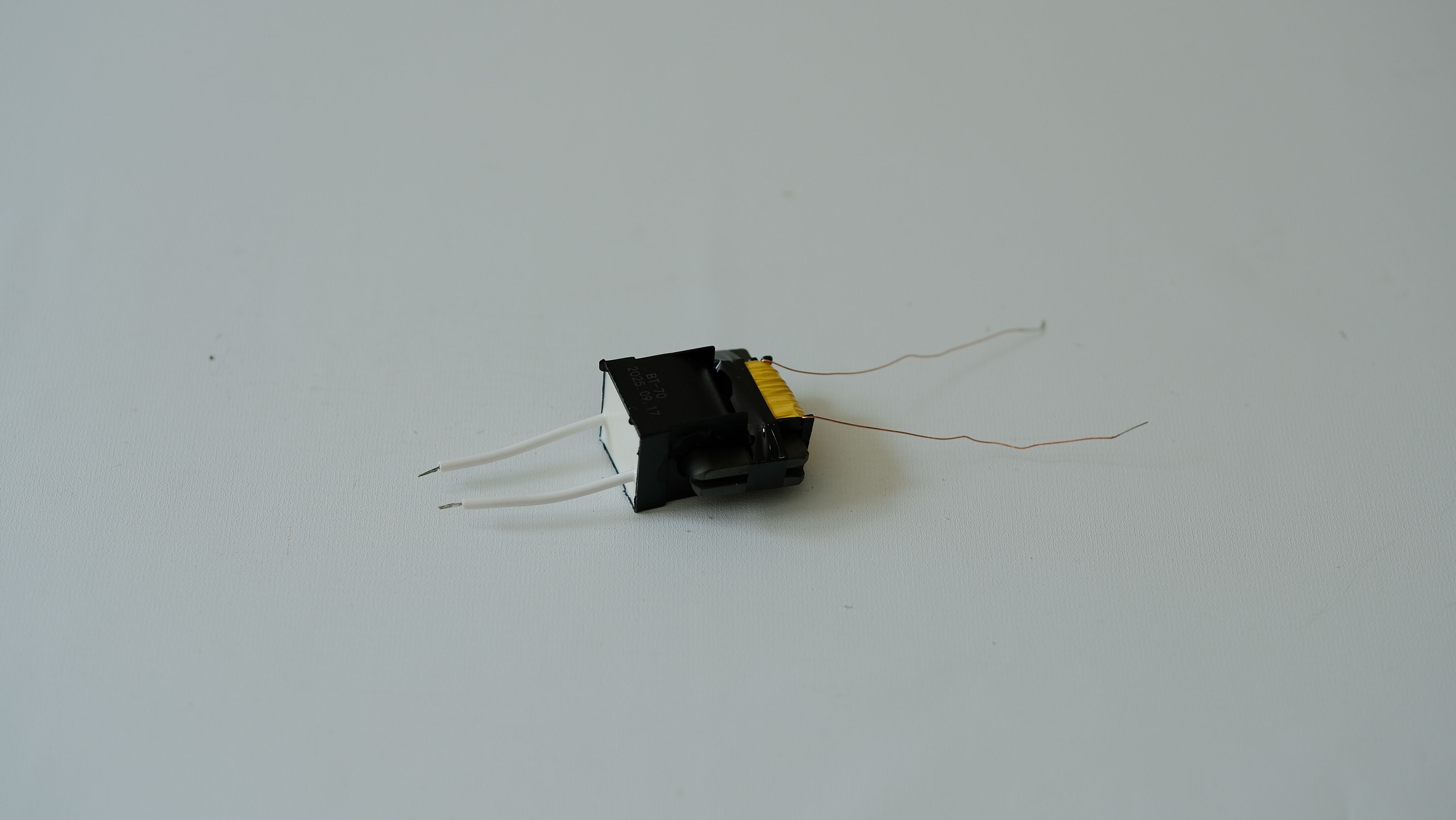
The charging process typically occurs at the spray gun tip or through corona charging rings positioned near the spray pattern. High-voltage modules generate the necessary electrical potential, usually ranging from 30,000 to 100,000 volts, while maintaining extremely low current levels for safety. This electrical charging creates a uniform coating distribution and enables paint particles to wrap around complex geometries that would otherwise be difficult to coat using conventional spraying methods.
Equipment Components and Configuration
Modern electrostatic spraying systems consist of several critical components that work together to maximize coating efficiency. The high-voltage power supply serves as the heart of the system, generating the electrical potential necessary for particle charging. Spray guns equipped with specialized electrodes deliver the charged coating material while maintaining precise control over spray patterns and material flow rates.
Ground connections play a vital role in establishing the electrical field required for effective electrostatic spraying. Workpieces must be properly grounded to create the attractive force that draws charged particles toward the surface. Additionally, safety systems including electrical monitoring devices and automatic shutdown mechanisms ensure operator protection and equipment reliability during operation.
Mechanisms of Waste Reduction
Enhanced Transfer Efficiency
The primary mechanism by which electrostatic spraying reduces coating material waste is through dramatically improved transfer efficiency. Conventional spraying methods typically achieve transfer efficiencies between 30 to 60 percent, meaning substantial amounts of coating material miss the target surface and contribute to overspray waste. Electrostatic spraying systems routinely achieve transfer efficiencies exceeding 85 percent, with some applications reaching 95 percent efficiency under optimal conditions.
This enhanced efficiency results from the electrical attraction between charged coating particles and grounded surfaces. Rather than relying solely on spray pattern overlap and operator skill, electrostatic spraying creates a magnetic-like attraction that guides particles toward their intended destination. Even particles that might normally drift past the workpiece edge are drawn back to the surface, significantly reducing material loss and environmental contamination.
Wrap-Around Effect and Edge Coverage
Electrostatic spraying demonstrates remarkable capability in coating complex geometries and achieving uniform coverage on edges and recessed areas. The electrical field lines bend around workpiece contours, directing charged particles into areas that would be difficult to reach with conventional spraying techniques. This wrap-around effect eliminates the need for multiple spray passes and reduces coating material consumption while improving overall finish quality.
Sharp edges and corners that typically require additional coating attention with conventional methods benefit significantly from electrostatic spraying technology. The electrical attraction ensures adequate coating thickness on these challenging surfaces without requiring excessive material application or specialized spray techniques. This comprehensive coverage capability reduces rework requirements and minimizes material waste associated with touch-up operations.
Quantitative Waste Reduction Benefits
Material Consumption Analysis
Comprehensive studies of electrostatic spraying applications demonstrate substantial reductions in coating material consumption compared to conventional spraying methods. Manufacturing facilities implementing electrostatic spraying technology typically report material savings ranging from 20 to 40 percent, with some specialized applications achieving even greater reductions. These savings translate directly into reduced raw material costs and decreased waste disposal expenses.
The improved transfer efficiency of electrostatic spraying means less coating material is required to achieve specified film thickness requirements. This reduction in material usage not only decreases direct costs but also reduces the environmental impact associated with coating material production, transportation, and disposal. Manufacturing operations can maintain quality standards while significantly reducing their material consumption footprint through electrostatic spraying implementation.
Overspray Reduction Measurements
Overspray represents one of the most significant sources of coating material waste in traditional spraying operations. Electrostatic spraying technology addresses this challenge by creating controlled particle trajectories that minimize material drift and atmospheric loss. Measurement studies indicate that electrostatic spraying can reduce overspray generation by 60 to 80 percent compared to conventional air-atomized spraying systems.
The reduction in overspray provides multiple benefits beyond simple material savings. Lower overspray levels improve working conditions by reducing airborne particulate concentrations and minimize contamination of surrounding equipment and surfaces. Additionally, reduced overspray decreases the burden on ventilation systems and air filtration equipment, resulting in lower operating costs and improved energy efficiency throughout the coating facility.
Environmental and Economic Impact
Volatile Organic Compound Emissions
Electrostatic spraying technology contributes to significant reductions in volatile organic compound emissions through improved material utilization and reduced waste generation. Since less coating material is wasted during application, fewer VOCs are released into the atmosphere through overspray and material handling losses. This emission reduction helps manufacturing facilities meet increasingly stringent environmental regulations while reducing their overall environmental footprint.
The improved transfer efficiency of electrostatic spraying also enables the use of higher-solids coating formulations that contain lower solvent concentrations. These advanced coatings can be applied effectively using electrostatic spraying techniques, further reducing VOC emissions while maintaining superior finish quality and durability. The combination of reduced waste and lower-emission coatings represents a significant advancement in sustainable manufacturing practices.
Cost-Effectiveness and Return on Investment
The economic benefits of electrostatic spraying extend beyond simple material cost savings to encompass reduced waste disposal costs, lower environmental compliance expenses, and improved operational efficiency. Manufacturing facilities implementing electrostatic spraying technology typically achieve return on investment within 12 to 24 months, depending on production volume and coating material costs.
Long-term cost benefits include reduced cleaning and maintenance requirements due to lower overspray contamination, decreased booth filter replacement frequency, and reduced air handling system operating costs. These operational savings compound over time to provide substantial economic advantages that justify the initial investment in electrostatic spraying equipment and infrastructure modifications.
Implementation Considerations and Best Practices
System Design and Installation Requirements
Successful implementation of electrostatic spraying technology requires careful attention to system design parameters and installation requirements. Proper grounding systems must be established to ensure effective electrical field generation and maintain safety standards throughout the operation. Spray booth modifications may be necessary to accommodate electrostatic spraying equipment and provide adequate ventilation for the improved transfer efficiency.
High-voltage power supplies must be properly sized and configured to match specific coating materials and application requirements. Different coating formulations may require different voltage levels and charging techniques to achieve optimal performance. Professional installation and commissioning services ensure that electrostatic spraying systems operate at peak efficiency from initial startup through ongoing production operations.
Operator Training and Safety Protocols
Effective utilization of electrostatic spraying technology requires comprehensive operator training to ensure both safety and optimal performance. Operators must understand the principles of electrical safety, proper grounding procedures, and equipment maintenance requirements specific to electrostatic spraying systems. Training programs should cover both theoretical concepts and hands-on operational experience to develop competent system operators.
Safety protocols for electrostatic spraying include proper personal protective equipment usage, electrical hazard awareness, and emergency response procedures. While electrostatic spraying systems operate at high voltage and low current levels that minimize safety risks, proper training ensures that operators can identify and respond appropriately to any unusual conditions or equipment malfunctions that may occur during normal operations.
FAQ
What percentage of coating material waste can be eliminated with electrostatic spraying
Electrostatic spraying typically reduces coating material waste by 20 to 40 percent compared to conventional spraying methods. The exact reduction depends on factors such as workpiece geometry, coating material properties, and system configuration. Some specialized applications achieve waste reductions exceeding 50 percent through optimized electrostatic spraying techniques and proper system setup.
Can all types of coating materials be used with electrostatic spraying systems
Most solvent-based and water-based coating materials can be successfully applied using electrostatic spraying technology. However, coating materials must have appropriate electrical conductivity and rheological properties to accept and maintain electrical charge during the spraying process. Highly conductive materials or those containing metallic particles may require specialized equipment modifications or alternative application techniques.
How does electrostatic spraying affect coating quality and appearance
Electrostatic spraying typically improves coating quality by providing more uniform film thickness distribution and better edge coverage compared to conventional spraying methods. The electrical attraction between charged particles and grounded surfaces results in smoother finishes with fewer defects such as runs, sags, or orange peel texture. However, proper system setup and operator technique remain critical factors in achieving optimal coating quality.
What maintenance requirements are associated with electrostatic spraying equipment
Electrostatic spraying equipment requires regular maintenance of high-voltage components, electrode cleaning, and electrical connection inspection to maintain optimal performance. Preventive maintenance schedules typically include daily electrode cleaning, weekly electrical system checks, and periodic calibration of high-voltage power supplies. Proper maintenance ensures consistent system performance and extends equipment service life while maintaining safety standards.
Table of Contents
- Understanding Electrostatic Spraying Technology
- Mechanisms of Waste Reduction
- Quantitative Waste Reduction Benefits
- Environmental and Economic Impact
- Implementation Considerations and Best Practices
-
FAQ
- What percentage of coating material waste can be eliminated with electrostatic spraying
- Can all types of coating materials be used with electrostatic spraying systems
- How does electrostatic spraying affect coating quality and appearance
- What maintenance requirements are associated with electrostatic spraying equipment