
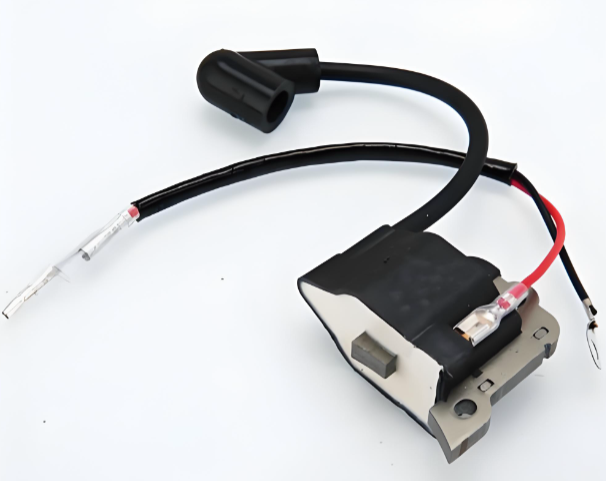
Selecting the right ignition coil is one of the most fundamental decisions in engine maintenance and performance optimization. An ignition coil transforms low-voltage electrical current into the high-voltage spark required to ignite fuel in your engine's combustion chamber. When an ignition coil fails or performs poorly, engine starting becomes difficult, fuel efficiency drops, and emissions increase. Understanding the key parameters for choosing an ignition coil ensures your vehicle runs smoothly, reliably, and efficiently across all operating conditions.
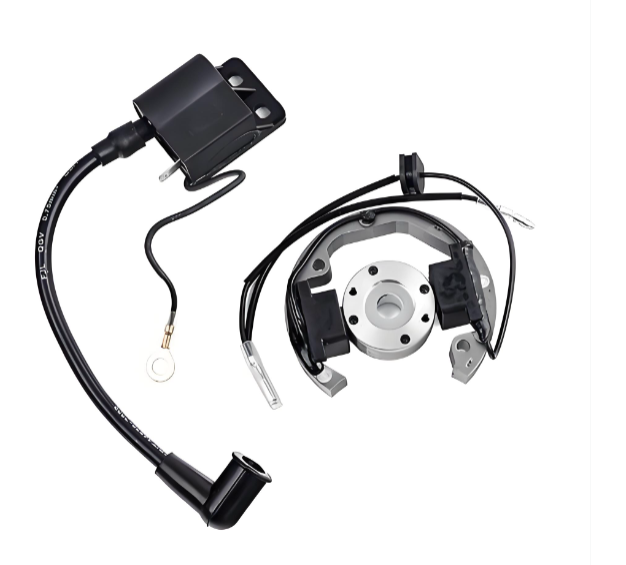
The process of selecting an ignition coil requires careful evaluation of multiple technical specifications and compatibility factors. Each engine design demands specific output voltage, resistance characteristics, and physical mounting configurations. Choosing the wrong ignition coil can lead to misfires, poor fuel economy, hard starting, and potential catalytic converter damage. This guide walks you through the essential parameters you must evaluate before purchasing an ignition coil for your application.
Understanding Output Voltage and Spark Gap Requirements
Primary Voltage Specifications
Every ignition coil has a rated primary voltage that determines how much electrical current it receives from your battery and ignition system. Most automotive ignition coil models operate at 12 volts, although some heavy-duty industrial engines may require 24-volt systems. When selecting an ignition coil, you must match the primary voltage rating exactly to your vehicle's electrical system. A 12-volt ignition coil installed in a 24-volt system will fail immediately. Conversely, a 24-volt ignition coil on a 12-volt system generates insufficient secondary voltage, resulting in weak sparks and engine misfire.
Secondary Output Voltage
The secondary voltage of an ignition coil determines the spark energy delivered to the spark plug. Higher secondary voltage enables spark generation across larger spark gaps, which becomes critical in high-compression or turbocharged engines. A typical modern ignition coil produces between 20,000 and 50,000 volts of secondary voltage. When choosing an ignition coil, verify that its secondary voltage rating meets or exceeds your engine manufacturer's specification. Undersized secondary voltage in an ignition coil causes incomplete combustion, while excessively high voltage may damage spark plugs prematurely.
Resistance and Electrical Load Characteristics
Primary Circuit Resistance
The primary circuit resistance of an ignition coil affects charging speed and energy storage efficiency. Primary resistance typically ranges from 0.4 to 1.5 ohms in modern ignition coil designs. When selecting an ignition coil, matching the primary resistance to your ignition module's specifications prevents current overload and system damage. An ignition coil with incorrect primary resistance generates excessive heat during operation, reducing lifespan and reliability. You should always consult your engine's technical manual to confirm the exact primary resistance range required before purchasing an ignition coil.
Secondary Circuit Resistance and Impedance
Secondary circuit resistance in an ignition coil influences spark plug firing efficiency and voltage delivery. Secondary resistance typically measures between 4,000 and 15,000 ohms, depending on the ignition coil design and spark plug gap requirements. When evaluating an ignition coil for your engine, verify that secondary resistance falls within your vehicle manufacturer's acceptable range. Resistance values outside this range in an ignition coil cause weak sparks, fouled plugs, or complete misfire conditions. This parameter directly impacts engine cold-start performance, especially in high-altitude or low-temperature environments.
Heat Dissipation, Mounting, and Environmental Compatibility
Thermal Management and Operating Temperature Range
Heat management is a critical parameter when selecting an ignition coil for harsh or high-performance applications. Every ignition coil generates internal heat during operation, and prolonged exposure to extreme temperatures reduces component lifespan dramatically. Most automotive-grade ignition coil units operate reliably between minus 40 and 130 degrees Celsius. When choosing an ignition coil, consider your vehicle's underhood temperature profile and ambient climate conditions. An ignition coil mounted in a high-heat engine bay without adequate clearance from exhaust manifolds or turbochargers will fail prematurely due to thermal stress.
Physical Mounting and Connector Compatibility
Physical compatibility is a non-negotiable parameter when selecting an ignition coil replacement. Mounting style, connector type, and terminal configuration vary significantly across vehicle models and engine generations. An ignition coil may have the correct voltage and resistance but feature a different connector shape, preventing proper installation. When purchasing an ignition coil, verify that mounting holes, fastener locations, and cable connectors match your specific engine model exactly. A poorly mounted ignition coil experiences vibration stress, leading to internal component failure and erratic spark timing. Always consult your vehicle's service manual or component specifications before finalizing an ignition coil selection decision.
Application-Specific Considerations and Performance Factors
Engine Type and Fuel System Requirements
Different engine designs demand ignition coil specifications tailored to their combustion characteristics. Naturally aspirated gasoline engines typically use standard ignition coil units, while high-compression turbocharged engines require high-performance ignition coil models with elevated secondary voltage. Diesel engines operate fundamentally differently and use glow plugs rather than spark plugs, so selecting an ignition coil designed for gasoline engines in a diesel application produces complete system failure. When choosing an ignition coil, confirm your engine's fuel type, compression ratio, and induction method to ensure proper selection. Some modern vehicles employ coil-on-plug designs where each cylinder has an individual ignition coil, requiring separate evaluation for each unit.
OEM Specification versus Aftermarket Performance
Manufacturers establish strict specification parameters for ignition coil selection because engine performance depends on precise electrical characteristics. Original equipment manufacturer ignition coil units represent the baseline specification validated through extensive testing. When selecting an aftermarket ignition coil, verify that all electrical parameters match OEM specifications exactly, even if the manufacturer claims equivalent or enhanced performance. Some aftermarket ignition coil products offer marginal improvements in voltage output or thermal management, but these gains remain meaningful only when additional engine modifications align with the enhanced ignition coil specifications. Choosing a high-quality replacement ignition coil from a reputable manufacturer ensures long-term reliability and optimal engine performance.
FAQ
What happens if I install an ignition coil with incorrect voltage rating?
Installing an ignition coil with incorrect voltage rating causes immediate system failure or severely compromised performance. A 24-volt ignition coil on a 12-volt system produces insufficient secondary voltage for spark generation, resulting in continuous misfire and hard starting. Conversely, a 12-volt ignition coil on a 24-volt system experiences internal insulation breakdown, creating electrical short circuits and permanent component damage. Always verify voltage specifications before purchasing an ignition coil replacement.
How do I determine the correct secondary voltage for my engine?
Your vehicle's service manual specifies the exact secondary voltage range required for your ignition coil installation. Modern engines typically require between 25,000 and 40,000 volts of secondary voltage from the ignition coil to maintain reliable spark timing across all operating conditions. High-compression or turbocharged engines may demand ignition coil units rated above 40,000 volts. Contact your manufacturer's technical support or consult the engine specification sheet to confirm the appropriate ignition coil secondary voltage for your specific application.
Can I use a universal ignition coil instead of an OEM part?
Universal aftermarket ignition coil units work reliably when all electrical and mechanical specifications precisely match your engine's requirements. However, selecting a truly universal ignition coil requires careful verification of voltage, resistance, mounting configuration, and connector compatibility. Many ''universal' ignition coil products fail because consumers overlook critical specification details or assume compatibility without thorough research. For best results, choose an ignition coil from a reputable manufacturer with confirmed application-specific documentation, even if it costs slightly more than a generic option.