
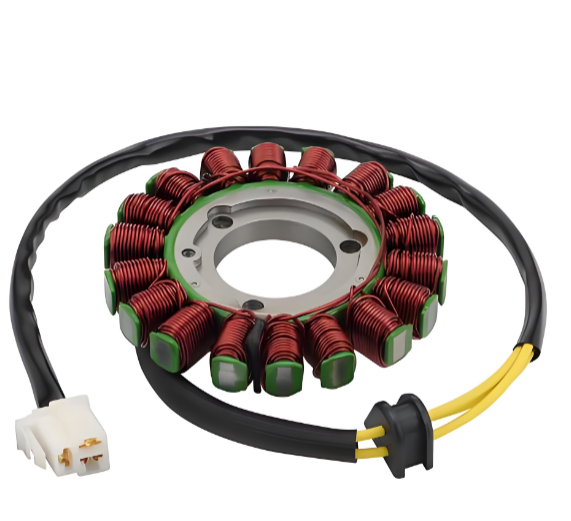
The ignition coil represents one of the most critical components in modern engine management systems, directly influencing both operational efficiency and safety performance. Understanding how an ignition coil functions and optimizes engine behavior is essential for anyone managing industrial or automotive applications. An ignition coil transforms low-voltage battery power into the high-voltage electrical pulses required to ignite fuel in combustion chambers, making it fundamental to engine reliability and performance.
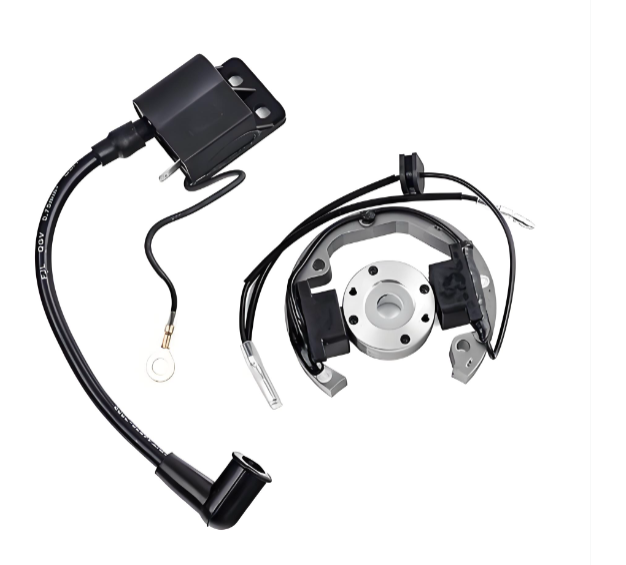
Modern engines depend on precise ignition timing and voltage delivery to maintain optimal combustion efficiency while minimizing emissions and safety hazards. The ignition coil achieves this by converting steady electrical current into rapid high-voltage pulses that spark spark plugs at precisely controlled intervals. When an ignition coil operates at peak efficiency, it reduces fuel consumption, lowers harmful emissions, and decreases the risk of engine misfires or dangerous stalling conditions.
How Ignition Coil Design Enhances System Efficiency
Voltage Conversion and Power Delivery
An ignition coil functions through electromagnetic induction, using primary and secondary windings to step up voltage from approximately 12 volts to over 30,000 volts. This voltage multiplication allows the ignition coil to generate the intense spark energy needed to reliably ignite lean fuel mixtures and high-compression combustion chambers. Optimized ignition coil designs minimize voltage losses during this conversion process, ensuring maximum energy reaches the spark plug electrodes.
The efficiency of an ignition coil directly impacts fuel consumption rates because precise spark timing allows engines to burn fuel more completely. When an ignition coil delivers consistent voltage at exactly the right moment, combustion efficiency improves, reducing the amount of unburned fuel that exits through the exhaust system. This efficiency gain translates to lower operational costs and extended engine service intervals, making ignition coil performance a key factor in total cost of ownership.
Thermal Management and Reliability
Modern ignition coil designs incorporate advanced thermal management features that prevent overheating and maintain stable performance across temperature extremes. High-quality ignition coil housings use specialized materials and cooling geometries to dissipate heat generated during rapid voltage switching cycles. An ignition coil that maintains proper operating temperature delivers more consistent spark voltage, which is essential for reliable engine start-ups and stable idle conditions in challenging environments.
Improved thermal control in an ignition coil also extends component lifespan and reduces premature failure rates. When ignition coil temperature remains within optimal ranges, the internal insulation materials resist degradation, and electrical connections maintain low resistance. This reliability directly supports system efficiency by eliminating unexpected downtime and the inefficient running conditions that often accompany worn ignition coil performance.
Safety Improvements Through Advanced Ignition Coil Technology
Misfire Prevention and Emission Control
Engine misfires represent a significant safety and environmental concern, often caused by inadequate spark energy or irregular timing delivered by a degraded ignition coil. A properly functioning ignition coil ensures consistent spark voltage across all cylinders, preventing misfires that can cause engine vibration, power loss, and increased emissions. Advanced ignition coil technology incorporates redundancy and diagnostic features that detect potential faults before they create dangerous operating conditions.
The environmental safety benefits of an optimized ignition coil extend to emissions reduction. When an ignition coil maintains precise ignition timing, combustion becomes more complete, significantly reducing unburned hydrocarbons and nitrogen oxides in exhaust streams. This improvement in combustion efficiency means the ignition coil contributes directly to meeting strict emissions standards while reducing the vehicle's or equipment's environmental footprint.
Electrical System Protection and Fault Diagnosis
Modern ignition coil systems include built-in protection circuits that prevent voltage spikes from damaging sensitive electronic control modules and sensors. An ignition coil with integrated protection mechanisms safeguards the entire engine management system from electrical transients that could otherwise cause widespread equipment failure. This protective function represents a critical safety feature in applications where sudden system failure creates operational hazards.
Contemporary ignition coil designs also feature integrated diagnostic capabilities that communicate fault codes to engine control computers, alerting operators to potential ignition coil deterioration before catastrophic failure occurs. This early warning system enables preventive maintenance scheduling, reducing the likelihood of unexpected breakdowns in critical operational environments. An ignition coil with advanced diagnostics supports safe, predictable engine operation by providing clear visibility into ignition system health.
Practical Applications and Performance Optimization
Industrial and Commercial Engine Applications
Heavy-duty industrial engines, backup power generators, and commercial fleet vehicles all depend on high-performance ignition coil technology to maintain consistent operational efficiency and safety margins. In these demanding applications, an ignition coil must function reliably across extreme temperature ranges, high vibration environments, and extended operating periods. Premium ignition coil designs engineered for industrial use incorporate reinforced construction, enhanced thermal stability, and advanced materials that withstand harsh operational conditions.
Fleet operators and industrial maintenance teams recognize that investing in quality ignition coil components directly reduces total maintenance costs and improves equipment reliability. A well-selected ignition coil maintains stable performance across varying engine loads, fuel types, and environmental conditions, ensuring predictable equipment operation. This reliability enables operators to maintain aggressive maintenance schedules while confidently managing fleet operations without unexpected ignition system failures.
Installation and Maintenance Considerations
Proper installation and periodic maintenance of ignition coil systems are essential to preserving their efficiency and safety benefits. Technicians must ensure that ignition coil connections are clean and secure, as corrosion or loose contacts can significantly degrade performance and create safety risks. Regular inspection of ignition coil housing for cracks, moisture intrusion, or insulation damage helps prevent unexpected failures and maintains consistent spark delivery.
Testing procedures for an ignition coil should include primary and secondary resistance measurements, voltage output verification, and visual inspection of physical condition. When replacement becomes necessary, matching the new ignition coil specifications exactly to original equipment requirements ensures seamless integration and optimal performance. Technicians who understand ignition coil technology can identify performance degradation early and recommend timely replacement before efficiency losses accumulate or safety risks emerge.
FAQ
What signs indicate that an ignition coil needs replacement?
Common warning signs of ignition coil failure include rough engine idle, hesitation during acceleration, difficulty starting the engine, illuminated check engine lights with ignition-related fault codes, and increased fuel consumption. If you notice any combination of these symptoms, having the ignition coil tested by a qualified technician is advisable to confirm diagnosis before performance deteriorates further.
How does ignition coil failure affect engine safety?
A failing ignition coil can cause engine misfires that create vibration, loss of power, stalling in traffic, or unstable idling conditions that compromise vehicle control and driver safety. In industrial applications, ignition coil failure can unexpectedly shut down critical systems or backup power generators, creating operational hazards. Prompt detection and replacement of a degraded ignition coil prevents these dangerous scenarios and restores safe engine operation.
Can upgrading to a higher-performance ignition coil improve efficiency?
Upgrading to a premium ignition coil designed for high-performance applications can improve spark consistency, reduce fuel consumption, and enhance cold-start reliability compared to standard components. However, the ignition coil must be compatible with your specific engine's electrical and mechanical design to deliver maximum benefit. Consulting technical specifications and manufacturer recommendations ensures that any ignition coil upgrade provides real efficiency gains appropriate for your equipment's operating profile.