
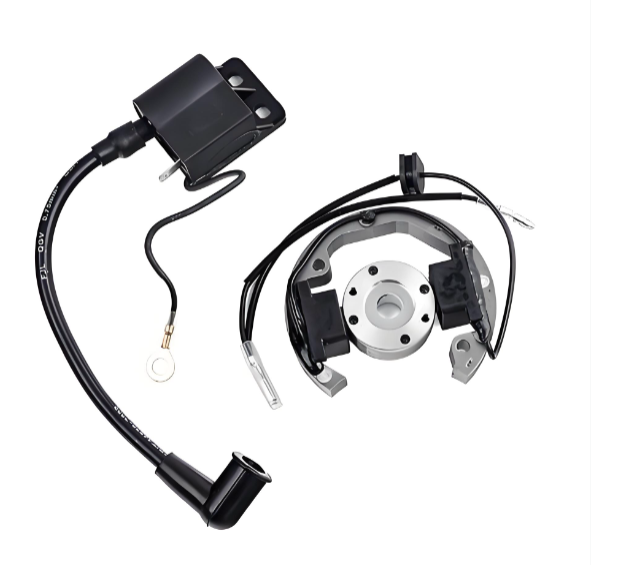
The ignition coil plays a foundational role in high voltage systems across numerous industrial, automotive, and electrical applications. Understanding how an ignition coil operates and integrates into broader high voltage networks is essential for engineers, technicians, and facility managers responsible for system reliability and performance. An ignition coil transforms lower voltage input into substantially higher voltage output, enabling spark generation, combustion ignition, or other critical electrical processes. This transformation capability makes the ignition coil indispensable wherever controlled high voltage discharge is required.
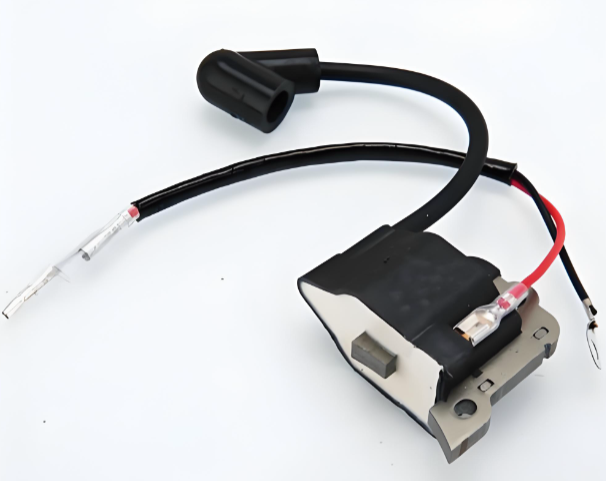
High voltage systems demand precision, reliability, and consistent performance under demanding conditions. The ignition coil operates at the heart of this demand, stepping voltage levels to create the precise electrical characteristics needed for safe ignition and system function. Whether in automotive engines, industrial combustion equipment, gas turbines, or specialized electrical apparatus, the ignition coil delivers consistent voltage transformation and timing control. This article explores the critical role of the ignition coil in high voltage systems, how it functions within larger electrical architectures, and why proper selection and maintenance directly impact system uptime and safety.
Core Function and Operating Principle of the Ignition Coil
Voltage Transformation and Electromagnetic Induction
At its core, an ignition coil converts primary low voltage signals into secondary high voltage output through electromagnetic induction principles. The ignition coil contains two wire windings—a primary coil with fewer turns and a secondary coil with many more turns—wound around an iron core. When electrical current flows through the primary winding, it creates a magnetic field. When this current is suddenly interrupted, the magnetic field collapses, inducing a high voltage pulse in the secondary winding. The ignition coil's turns ratio determines the voltage multiplication factor, allowing engineers to achieve precisely controlled voltage levels for their specific application.
Timing and Control Integration
Modern ignition coil systems integrate timing control mechanisms to ensure spark generation occurs exactly when combustion or electrical discharge is required. The ignition coil responds to switching signals from control modules, engine management systems, or ignition control units. By precisely timing the current interruption in the primary circuit, the ignition coil produces secondary voltage bursts synchronized with piston position, fuel injection timing, or load conditions. This synchronization capability makes the ignition coil critical for engine efficiency, emissions control, and overall system performance. Advanced ignition coil designs incorporate electronic controls that allow adaptive timing adjustment based on real-time operating conditions.
Role of the Ignition Coil Within High Voltage System Architecture
Interface Between Control Logic and High Voltage Discharge
The ignition coil functions as a critical interface layer between low voltage control systems and high voltage discharge requirements. Control modules operate at 5V to 12V logic levels, while ignition coil secondary output typically ranges from 10,000V to 50,000V depending on application demands. This bridging function allows sophisticated microprocessor-based control systems to manage high energy discharge events safely and precisely. The ignition coil protects downstream electrical components from extreme voltage levels while maintaining the precise timing and amplitude needed for reliable spark initiation. In high voltage systems, this interface role prevents control circuit damage and ensures predictable, repeatable performance across operating ranges.
Energy Storage and Rapid Release Characteristics
An ignition coil accumulates magnetic energy during the primary current flow phase and releases this energy explosively during the switching-off transient. This energy storage and rapid release capability distinguishes the ignition coil from simple transformers. The ignition coil must handle rapid on-off cycles at frequencies ranging from tens to thousands of hertz depending on engine speed or application type. Capacitive elements within the ignition coil circuit help shape the voltage waveform and limit ringing oscillations that could damage spark plugs or cause electromagnetic interference. The ignition coil's construction and material selection directly affect how efficiently it stores and releases energy, influencing fuel consumption, emissions, and component longevity in high voltage systems.
Integration Demands and System-Level Importance
Reliability Under Thermal and Electrical Stress
High voltage systems expose the ignition coil to extreme thermal cycling, electrical transients, and mechanical vibration. Engine compartment temperatures can range from below freezing to over 100°C, requiring ignition coil materials that maintain insulation integrity and mechanical strength across these extremes. The ignition coil must withstand repetitive voltage spikes, reverse polarity events, and current surges without degradation. Encapsulation materials, winding insulation, and core materials must resist moisture, oil vapor, and chemical exposure common in industrial environments. When an ignition coil fails due to thermal or electrical stress, the entire high voltage system may fail to function, leading to engine shutdown, production interruption, or safety hazards depending on the application.
Diagnostic and Maintenance Implications
Because the ignition coil occupies such a central role in high voltage systems, technicians must develop diagnostic protocols to identify ignition coil failures quickly. Common ignition coil failure modes include open primary windings, shorted secondary coils, degraded insulation resistance, and capacitive decay. Modern diagnostic systems can measure ignition coil impedance, voltage output amplitude, and timing characteristics to confirm proper function or identify developing problems. Preventive maintenance programs often include ignition coil testing intervals, temperature monitoring, and insulation resistance checks. Understanding the ignition coil's role in your specific high voltage system enables faster troubleshooting and more cost-effective maintenance decisions. Regular testing of the ignition coil helps detect problems before they cascade into larger system failures or safety incidents.
FAQ
What voltage levels does an ignition coil typically produce in high voltage systems?
An ignition coil in typical automotive and industrial applications produces secondary voltages ranging from 10,000V to 50,000V depending on application design and ignition system type. The specific voltage output reflects the turns ratio between primary and secondary windings, the primary input voltage, and the switching speed. Specialized high voltage applications may employ ignition coil designs capable of producing even higher voltages. The voltage selected must be sufficient to ionize the spark gap or initiate the required electrical discharge without damaging downstream components or creating excessive electromagnetic interference in the high voltage system.
How does an ignition coil improve efficiency in high voltage systems?
An efficiently designed ignition coil reduces energy waste during voltage transformation, minimizing heat generation and improving overall system efficiency. By optimizing core materials, winding geometry, and switching characteristics, engineers can achieve higher voltage multiplication with lower primary current draw. This efficiency directly reduces fuel consumption in combustion engines and electrical losses in industrial high voltage systems. An ignition coil with proper impedance matching and winding balance distributes voltage stress evenly, extending component life and reducing failure rates. In fleet operations or high-utilization industrial settings, ignition coil efficiency improvements accumulate into significant operational cost reductions over time.
Can an ignition coil be tested without removing it from the high voltage system?
Modern diagnostic equipment allows in-circuit testing of ignition coil performance without complete removal, though bench testing provides more comprehensive evaluation. On-vehicle ignition coil testing typically measures primary resistance, secondary resistance, insulation breakdown voltage, and voltage output under simulated load conditions. Many technicians perform initial diagnostic tests with the ignition coil installed to confirm whether replacement is necessary before commencing removal procedures. However, detailed failure mode analysis and performance characterization often require bench-mounted testing equipment that isolates the ignition coil from the surrounding high voltage system. Hybrid testing approaches—combining in-circuit diagnosis with selective bench verification—often represent the most efficient troubleshooting strategy.