
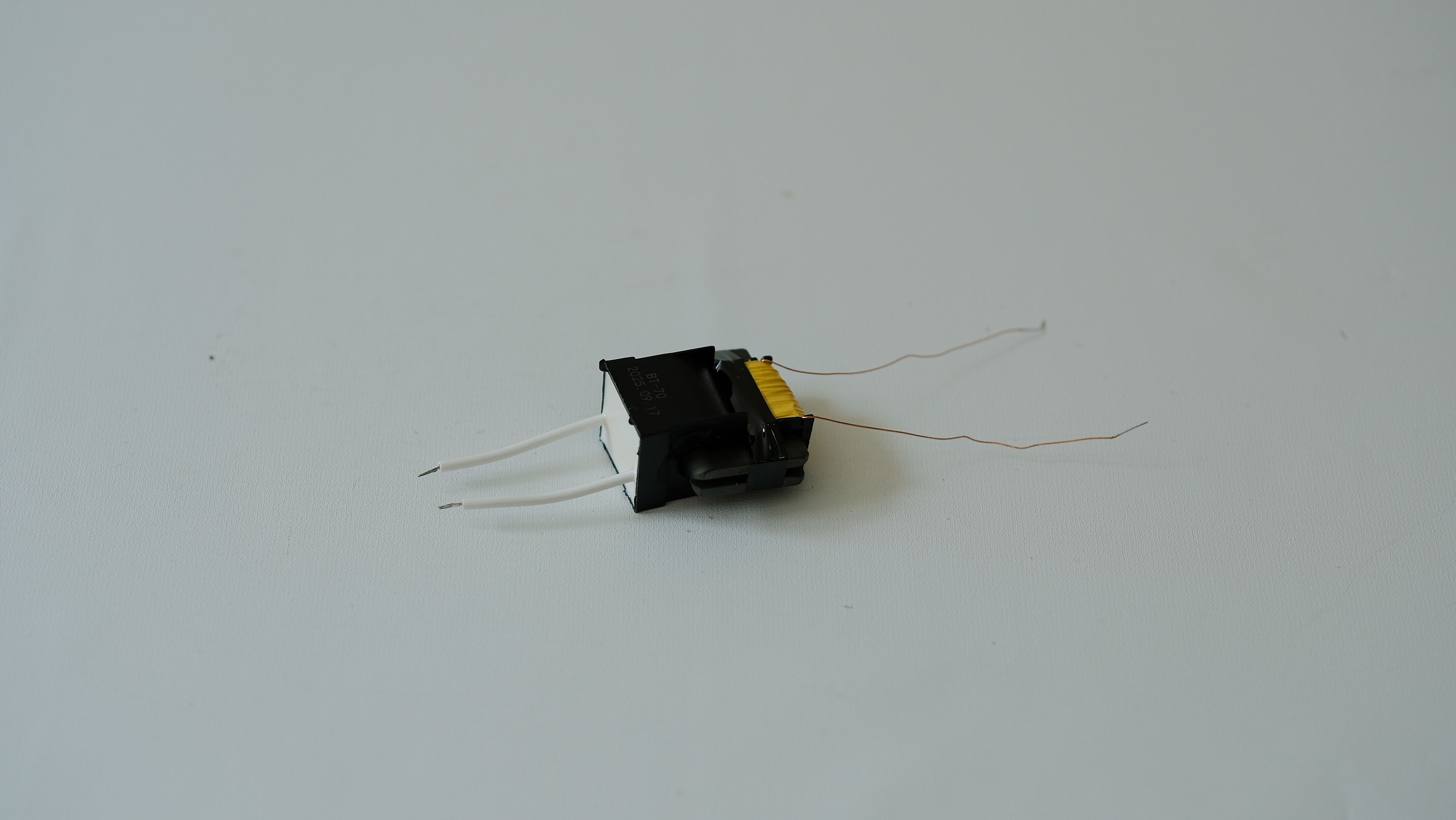
Flyback transformers represent a fundamental component in power electronics, serving critical functions across numerous industrial sectors through their unique ability to provide electrical isolation while efficiently converting power levels. These transformers operate on the principle of energy storage and release, making them particularly valuable in applications requiring precise voltage regulation and galvanic isolation between input and output circuits.
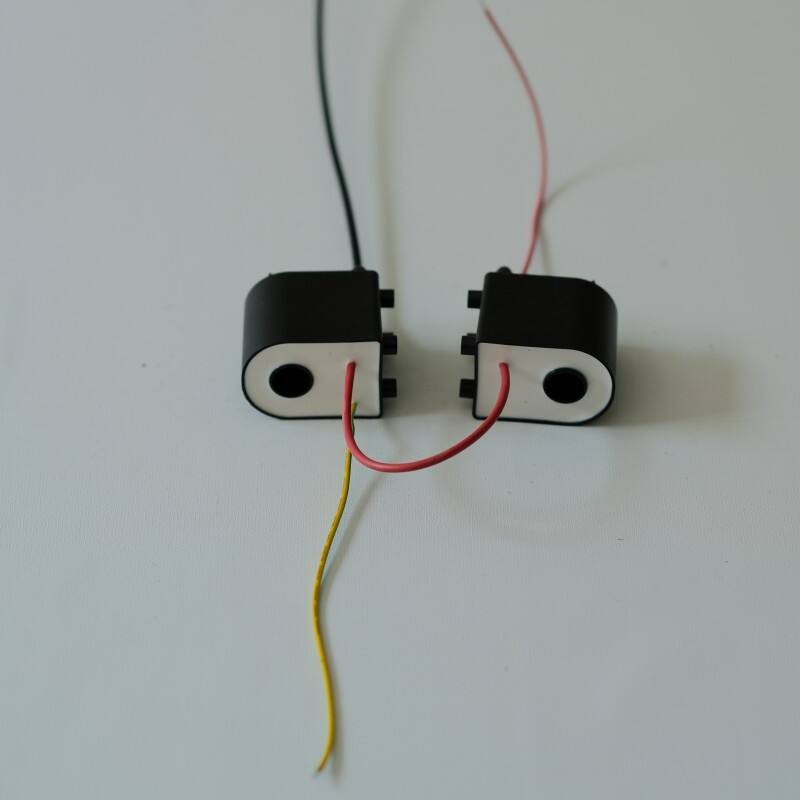
The industrial landscape relies heavily on flyback transformer technology due to its versatility in handling both step-up and step-down voltage conversions while maintaining compact form factors. Understanding the specific applications where these transformers excel provides crucial insights for engineers and procurement professionals seeking optimal power solutions for their industrial systems.
Power Supply Systems in Industrial Equipment
Switching Mode Power Supplies
Industrial switching mode power supplies extensively utilize flyback transformer designs to achieve high efficiency and compact packaging. These power supplies convert alternating current from the mains into regulated direct current for various industrial equipment, including programmable logic controllers, human-machine interfaces, and sensor networks. The flyback transformer enables these systems to operate with efficiency ratings exceeding 85% while providing multiple output voltages from a single primary winding.
Manufacturing facilities depend on these flyback transformer-based power supplies for their reliability and thermal performance under continuous operation conditions. The transformer's ability to store energy in its magnetic core during the switch-on period and transfer it to the secondary during switch-off creates inherent current limiting, protecting downstream equipment from overcurrent conditions.
Industrial automation systems particularly benefit from the galvanic isolation provided by flyback transformer configurations, ensuring that ground loops and electrical noise do not interfere with sensitive control circuits. This isolation capability becomes critical in environments with high electromagnetic interference levels or where safety regulations mandate electrical separation between different voltage domains.
Uninterruptible Power Supply Units
Critical industrial processes require uninterruptible power supply systems that incorporate flyback transformer technology to maintain power continuity during utility outages. These systems utilize the flyback transformer's energy storage characteristics to efficiently convert battery voltage into regulated AC power for essential equipment operation. The transformer's design allows for rapid response to load changes while maintaining stable output voltage regulation.
Data centers and telecommunications facilities rely on flyback transformer-based UPS systems to protect sensitive electronic equipment from power disturbances. The transformer's inherent current limiting capability provides additional protection during fault conditions, preventing cascading failures that could affect multiple systems simultaneously.
Industrial UPS applications benefit from the flyback transformer's ability to operate across wide input voltage ranges while maintaining consistent output characteristics. This flexibility proves essential in facilities where utility power quality varies or where multiple power sources require seamless integration.
Display and Imaging Technologies
CRT Monitor Systems
Industrial cathode ray tube monitors in control rooms and specialized display applications depend on flyback transformer technology to generate the high voltages required for electron beam acceleration. These transformers typically produce voltages ranging from 15 to 30 kilovolts, enabling precise control of electron beam deflection and image formation on phosphor screens.
Process control environments utilize CRT-based displays for their superior visibility under varying lighting conditions and resistance to electromagnetic interference. The flyback transformer in these applications must maintain voltage stability across different beam current levels while providing the necessary isolation between low-voltage control circuits and high-voltage display elements.
Medical imaging equipment and scientific instrumentation often incorporate specialized flyback transformer designs optimized for minimal electromagnetic emission and maximum voltage stability. These applications require transformers capable of handling rapid voltage changes while maintaining precise regulation to ensure image quality and measurement accuracy.
Laser Driving Circuits
Industrial laser systems employ flyback transformer configurations to provide the high-voltage pulses necessary for laser diode pumping and gas discharge initiation. The transformer's energy storage capability enables rapid pulse generation with precise timing control, essential for applications requiring high-power laser output with minimal thermal stress on active components.
Manufacturing processes utilizing laser cutting, welding, and marking equipment depend on flyback transformer technology to deliver consistent power levels across varying material properties and processing speeds. The transformer's ability to maintain stable output voltage under fluctuating load conditions ensures uniform processing results and extends laser component operational life.
Research and development laboratories use flyback transformer-driven laser systems for material testing and analysis applications. These transformers must provide exceptional voltage stability and low noise characteristics to support precision measurement requirements while maintaining safety isolation between control systems and high-voltage laser components.
High Voltage Generation Applications
Electrostatic Precipitation Systems
Industrial air pollution control systems extensively utilize flyback transformer technology to generate the high voltages necessary for electrostatic precipitation operations. These systems require sustained high-voltage outputs, typically ranging from 30 to 100 kilovolts, to create the electrostatic fields that capture particulate matter from industrial exhaust streams.
Power generation facilities and manufacturing plants employ electrostatic precipitators with flyback transformer-based power supplies to meet environmental compliance requirements. The transformer's current limiting characteristics provide inherent protection against arc-over conditions that commonly occur in precipitator operations, ensuring continuous operation and minimizing maintenance requirements.
Cement plants, steel mills, and chemical processing facilities rely on these flyback transformer systems for their ability to maintain consistent collection efficiency across varying particulate loading conditions. The transformer's energy storage capability enables rapid recovery from arc-over events while maintaining the voltage levels necessary for optimal precipitation performance.
Corona Discharge Applications
Surface treatment processes in manufacturing industries utilize flyback transformer technology to generate corona discharges for material modification and cleaning applications. These transformers provide the precise voltage control necessary to maintain stable corona discharge conditions while preventing transition to arc discharge modes that could damage treated materials.
Plastic film and textile manufacturing operations employ corona treatment systems powered by flyback transformer configurations to improve surface adhesion properties and enhance print quality. The transformer's ability to respond quickly to load variations ensures consistent treatment levels across varying material speeds and thicknesses.
Food packaging industries depend on corona treatment systems with flyback transformer power supplies to modify polymer surface characteristics for improved barrier properties and printability. These applications require transformers capable of maintaining stable discharge conditions while minimizing ozone generation and electromagnetic emissions.
Testing and Measurement Equipment
High Voltage Testing Systems
Electrical equipment manufacturers utilize flyback transformer-based high voltage testing systems to verify insulation integrity and dielectric strength of various industrial components. These testing systems require precise voltage control and current limiting capabilities to prevent damage to test specimens while ensuring accurate measurement results.
Power cable manufacturers employ flyback transformer testing equipment to validate cable insulation performance under various voltage stress conditions. The transformer's energy storage characteristics enable controlled energy discharge during breakdown events, protecting both test equipment and operators from hazardous conditions.
Research laboratories and quality control facilities depend on flyback transformer-powered testing systems for their ability to generate stable high voltages with minimal ripple content. This voltage stability proves essential for accurate measurement of insulation resistance, dielectric absorption, and partial discharge characteristics in electrical insulation materials.
Electron Beam Systems
Industrial electron beam processing equipment incorporates flyback transformer technology to provide the acceleration voltages necessary for material modification, sterilization, and polymerization applications. These transformers must maintain precise voltage regulation while handling the varying beam currents associated with different processing requirements.
Medical device sterilization facilities utilize electron beam systems powered by flyback transformer configurations to achieve the dose uniformity and penetration depth required for effective sterilization without material degradation. The transformer's current limiting capability provides essential protection against beam current excursions that could affect product quality.
Semiconductor manufacturing processes employ electron beam lithography systems that depend on flyback transformer power supplies for their exceptional voltage stability and low noise characteristics. These applications require transformers capable of maintaining sub-percent voltage regulation while minimizing electromagnetic emissions that could interfere with sensitive measurement equipment.
FAQ
What voltage ranges can industrial flyback transformers typically handle?
Industrial flyback transformers commonly operate across output voltage ranges from several hundred volts to over 100 kilovolts, depending on the specific application requirements. Low-power applications such as switching power supplies typically utilize transformers generating 12 to 48 volts, while high-voltage applications like CRT displays and electrostatic precipitation systems require transformers capable of producing 15 to 100 kilovolts. The input voltage range usually spans from 85 to 265 volts AC to accommodate global power system variations.
How do flyback transformers differ from conventional transformers in industrial applications?
Flyback transformers operate fundamentally differently from conventional transformers by storing energy in their magnetic core during the primary switch-on period and releasing it to the secondary during switch-off, whereas conventional transformers transfer energy continuously. This energy storage capability allows flyback transformers to provide inherent current limiting, multiple isolated outputs from a single primary, and operation at higher switching frequencies. Industrial applications benefit from these characteristics through improved efficiency, reduced size, and enhanced protection capabilities compared to conventional transformer designs.
What maintenance considerations apply to industrial flyback transformer applications?
Industrial flyback transformer maintenance typically focuses on monitoring core temperature, inspecting insulation integrity, and verifying output voltage regulation under varying load conditions. High-voltage applications require periodic testing of insulation resistance and partial discharge levels to prevent premature failure. Environmental factors such as humidity, contamination, and vibration can affect transformer performance, necessitating regular cleaning and mechanical inspection. Preventive maintenance schedules should include thermal imaging to detect hot spots and oscilloscope measurements to verify proper switching waveforms and minimal electromagnetic emissions.
Can flyback transformers operate reliably in harsh industrial environments?
Flyback transformers can operate reliably in harsh industrial environments when properly designed and specified for the operating conditions. Environmental considerations include temperature extremes, humidity levels, vibration, electromagnetic interference, and exposure to corrosive substances. Industrial-grade flyback transformers typically feature enhanced insulation systems, robust core materials, and protective enclosures to withstand these conditions. Proper thermal management becomes critical in high-temperature environments, while vibration-resistant mounting and conformal coatings help ensure reliable operation in mechanically demanding applications.
Table of Contents
- Power Supply Systems in Industrial Equipment
- Display and Imaging Technologies
- High Voltage Generation Applications
- Testing and Measurement Equipment
-
FAQ
- What voltage ranges can industrial flyback transformers typically handle?
- How do flyback transformers differ from conventional transformers in industrial applications?
- What maintenance considerations apply to industrial flyback transformer applications?
- Can flyback transformers operate reliably in harsh industrial environments?