
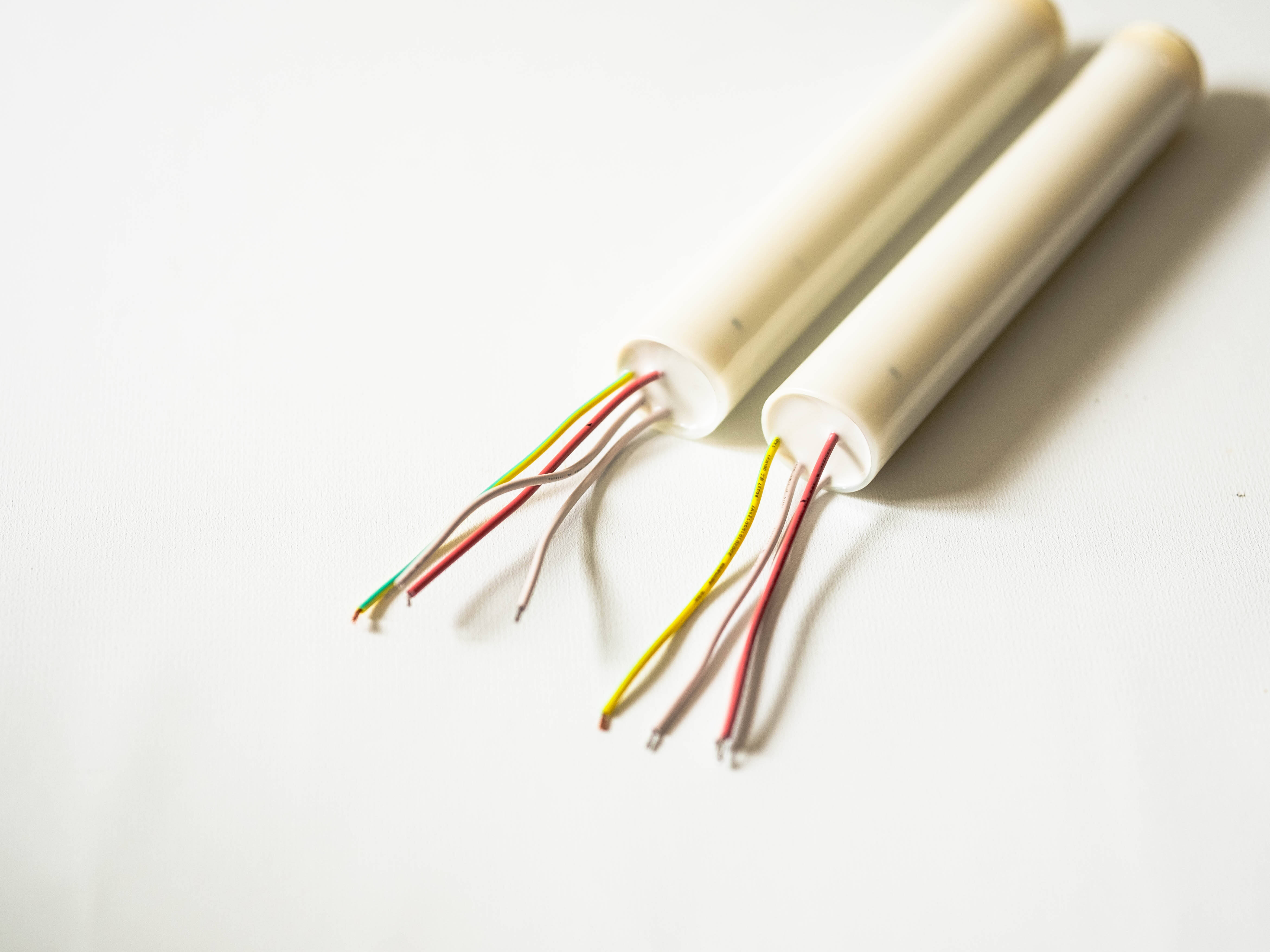
The application of high voltage modules across diverse electrical and industrial scenarios represents a fundamental shift in how modern facilities approach power distribution, control systems, and specialized manufacturing processes. These sophisticated electronic components serve as the backbone for operations requiring precise voltage regulation, electrical isolation, and reliable high-voltage power delivery in environments where standard electrical systems would prove inadequate or unsafe.
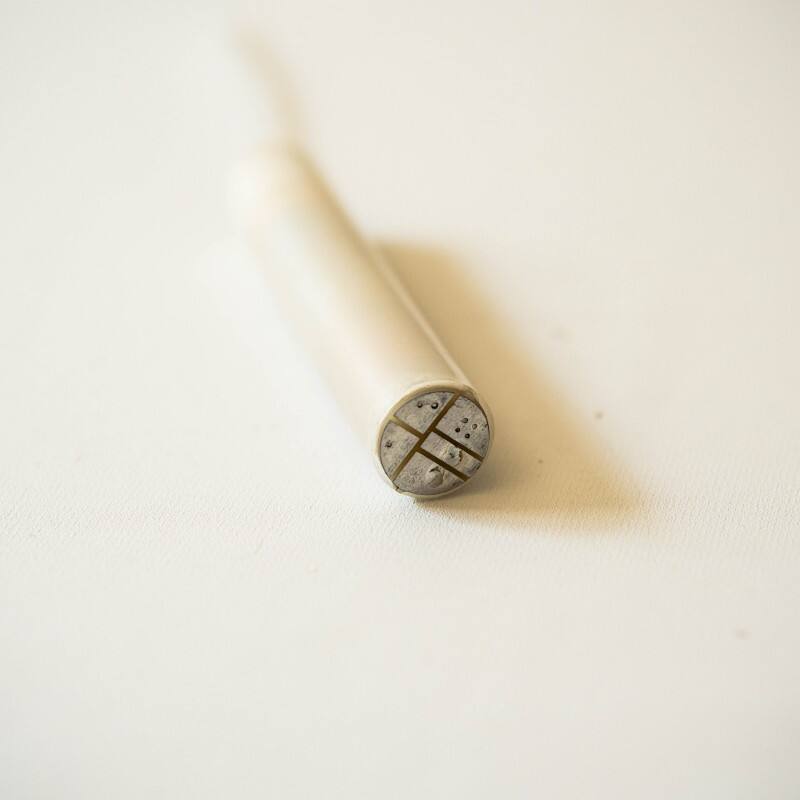
Understanding how a high voltage module integrates into various industrial applications requires examining the specific mechanisms, safety protocols, and performance characteristics that make these devices essential for modern electrical infrastructure. From electrostatic spraying systems to medical equipment and research facilities, the versatility of high voltage modules enables engineers to design solutions that meet stringent operational requirements while maintaining safety standards and regulatory compliance.
Industrial Manufacturing Applications
Electrostatic Coating and Spraying Systems
In electrostatic spraying applications, a high voltage module generates the electrical field necessary to charge paint particles or powder coating materials. This process creates an attractive force between the charged particles and the grounded workpiece, resulting in superior coating adhesion and reduced material waste. Manufacturing facilities utilize these systems for automotive parts, appliances, and metal fabrication where uniform coating thickness and high transfer efficiency are critical performance indicators.
The high voltage module in electrostatic systems typically operates between 30kV and 100kV, depending on the coating material and application requirements. These modules must provide stable voltage output while accommodating variations in environmental conditions, such as humidity and temperature fluctuations that commonly occur in industrial spray booths. The module's ability to maintain consistent electrical characteristics directly impacts coating quality and production throughput.
Safety considerations become paramount when implementing a high voltage module in coating applications. These systems incorporate multiple safety interlocks, emergency shutdown procedures, and protective barriers to prevent accidental contact with high-voltage components. Operators require specialized training to understand the electrical hazards and proper maintenance procedures associated with high voltage equipment in manufacturing environments.
Powder Processing and Material Handling
Industrial powder processing operations rely on high voltage modules to control electrostatic forces during material transport, separation, and collection processes. In pharmaceutical manufacturing, food processing, and chemical production facilities, these modules enable precise control of particle behavior through controlled electrostatic charging. This application proves particularly valuable when handling fine powders that tend to agglomerate or exhibit poor flow characteristics under normal conditions.
The high voltage module configuration in powder processing systems requires careful consideration of material properties, environmental factors, and process requirements. Different powder materials exhibit varying electrical conductivity and charging characteristics, necessitating adjustable voltage output and polarity control. The module's response time and stability become critical factors when processing materials with changing moisture content or particle size distributions.
Integration of high voltage modules into automated powder handling systems enables real-time process control and quality monitoring. These systems can adjust electrical parameters based on feedback from powder flow sensors, moisture analyzers, and particle size monitors. The result is improved process consistency, reduced material waste, and enhanced product quality in powder-based manufacturing operations.
Power Generation and Distribution Systems
Grid-Scale Electrical Infrastructure
Electric utility companies employ high voltage modules within transmission and distribution systems to manage power flow, provide electrical isolation, and enable remote switching operations. These applications require modules capable of withstanding extreme environmental conditions while maintaining reliable operation over extended periods. The high voltage module serves as an interface between control systems and high-voltage switchgear, transformers, and protective devices.
In substations and switching stations, high voltage modules facilitate automated operations such as circuit breaker control, disconnect switch operation, and voltage regulation. These modules must coordinate with supervisory control and data acquisition systems to ensure proper sequence of operations and maintain system stability. The reliability of the high voltage module directly impacts grid reliability and customer service continuity.
Smart grid implementations increasingly rely on sophisticated high voltage modules that provide bidirectional communication capabilities and advanced diagnostic features. These modules enable utility operators to monitor system performance, predict maintenance requirements, and optimize power flow in real-time. The integration of renewable energy sources and distributed generation systems creates additional complexity that modern high voltage modules must accommodate through flexible control algorithms and adaptive protection schemes.
Industrial Power Distribution
Large industrial facilities utilize high voltage modules within their internal power distribution systems to manage electrical loads, provide motor control, and ensure personnel safety. Manufacturing plants, data centers, and processing facilities require reliable high-voltage power distribution to support continuous operations and protect expensive equipment from electrical faults. The high voltage module enables sophisticated protection schemes and load management strategies.
Motor control applications represent a significant use case for high voltage modules in industrial settings. Large motors used in steel mills, cement plants, and mining operations require precise voltage control during starting sequences and normal operation. The high voltage module provides the necessary electrical isolation and control functionality while protecting the motor and associated equipment from electrical transients and fault conditions.
Energy management systems in industrial facilities depend on high voltage modules to implement demand response programs, load shedding strategies, and power factor correction. These modules enable facilities to optimize their electrical consumption patterns, reduce utility costs, and maintain compliance with utility interconnection requirements. The data collection capabilities of modern high voltage modules support energy auditing and efficiency improvement initiatives.
Scientific and Research Applications
Laboratory and Testing Equipment
Research institutions and testing laboratories employ high voltage modules in specialized equipment designed for material testing, electrical component evaluation, and scientific experimentation. These applications demand precise voltage control, excellent stability, and comprehensive safety features to protect researchers and expensive instrumentation. The high voltage module must provide reliable performance across a wide range of operating conditions and experimental parameters.
High voltage testing of electrical insulation, cables, and electronic components requires modules capable of generating controlled voltage stresses while monitoring leakage currents and detecting breakdown events. The high voltage module in these applications must provide accurate voltage measurement, rapid fault detection, and safe energy discharge capabilities. Researchers depend on these features to obtain reliable test data and ensure laboratory safety.
Electron beam systems, ion accelerators, and plasma generation equipment rely on high voltage modules to provide the electrical energy necessary for particle acceleration and plasma formation. These sophisticated systems require modules with exceptional voltage regulation, low ripple content, and precise timing control. The performance characteristics of the high voltage module directly influence experimental results and research outcomes.
Medical and Healthcare Equipment
Medical device manufacturers integrate high voltage modules into diagnostic imaging equipment, therapeutic devices, and laboratory instrumentation where precise electrical control is essential for patient safety and diagnostic accuracy. X-ray systems, CT scanners, and radiation therapy equipment depend on reliable high voltage generation to produce the necessary radiation for medical imaging and treatment procedures.
The high voltage module in medical applications must meet stringent safety standards and regulatory requirements while providing consistent performance over the equipment's operational lifetime. These modules incorporate multiple safety systems, including patient protection circuits, radiation interlock systems, and emergency shutdown capabilities. The reliability and precision of the high voltage module directly impacts patient care and diagnostic capabilities.
Electrosurgical equipment and cardiac defibrillators utilize high voltage modules to deliver controlled electrical energy for therapeutic purposes. These life-critical applications require modules with exceptional reliability, precise energy control, and comprehensive safety features. The high voltage module must provide consistent performance across varying patient conditions and clinical environments while maintaining strict safety margins.
Environmental and Process Control Systems
Air Pollution Control Equipment
Environmental control systems employ high voltage modules in electrostatic precipitators, ionization systems, and ozone generation equipment designed to remove pollutants from industrial emissions and improve air quality. These applications require robust modules capable of continuous operation in harsh environments while maintaining consistent electrical performance. The high voltage module enables precise control of electrical fields necessary for effective pollutant removal.
Electrostatic precipitators used in power plants, cement kilns, and steel mills depend on high voltage modules to generate the electrical fields that charge and collect particulate matter from exhaust gases. The module must provide stable high voltage output while accommodating variations in gas composition, temperature, and flow rates. The effectiveness of pollution control directly correlates with the performance consistency of the high voltage module.
Industrial ozone generation systems utilize high voltage modules to create controlled electrical discharges that convert oxygen into ozone for water treatment, air purification, and industrial process applications. These modules must provide precise voltage and frequency control to optimize ozone production while minimizing unwanted byproducts. The high voltage module's stability and controllability determine the efficiency and cost-effectiveness of ozone generation systems.
Water Treatment and Purification
Water treatment facilities implement high voltage modules in electrochemical processes, disinfection systems, and advanced oxidation technologies designed to remove contaminants and pathogens from water supplies. These applications require modules that can operate reliably in moisture-rich environments while providing precise electrical control for optimal treatment effectiveness.
Electrocoagulation and electroflocculation processes rely on high voltage modules to drive chemical reactions that remove dissolved metals, organic compounds, and suspended solids from industrial wastewater. The high voltage module must provide controlled electrical energy while monitoring current flow and adjusting parameters based on water quality measurements. Process optimization depends on the module's ability to maintain consistent electrical characteristics across varying water compositions.
Advanced water treatment systems incorporate high voltage modules in pulsed electric field applications designed to disrupt cellular structures of pathogens and break down complex organic molecules. These emerging technologies require modules with precise pulse generation capabilities, rapid switching speeds, and excellent repeatability. The high voltage module enables new approaches to water treatment that offer improved efficiency and reduced chemical consumption.
FAQ
What voltage ranges are typically required for different industrial applications of high voltage modules?
Industrial applications typically require high voltage modules operating between 1kV and 150kV, depending on the specific process requirements. Electrostatic spraying systems commonly operate between 30kV and 100kV, while medical imaging equipment may require 50kV to 150kV. Power distribution applications often utilize modules in the 1kV to 35kV range, whereas research equipment may require custom voltage levels based on experimental parameters.
How do safety requirements differ when implementing high voltage modules in various industrial scenarios?
Safety requirements vary significantly based on the application environment and personnel exposure risk. Medical applications require the strictest safety standards with patient protection circuits and fail-safe mechanisms. Industrial manufacturing environments focus on personnel protection through physical barriers, interlock systems, and emergency shutdown procedures. Research applications often require custom safety systems based on specific experimental hazards and institutional safety protocols.
What maintenance considerations are important for high voltage modules in continuous industrial operations?
Continuous industrial operations require preventive maintenance programs that include regular insulation testing, component inspection, and performance verification. High voltage modules should be monitored for voltage stability, current leakage, and temperature variations that may indicate developing problems. Scheduled maintenance intervals depend on operating environment conditions, with more frequent inspections required in harsh industrial environments with high humidity, temperature extremes, or contamination exposure.
How do environmental factors affect the performance and application of high voltage modules in industrial settings?
Environmental factors such as humidity, temperature, altitude, and contamination significantly impact high voltage module performance and safety. High humidity reduces insulation effectiveness and increases flashover risk, requiring dehumidification systems or specialized module designs. Temperature extremes affect component reliability and electrical characteristics, necessitating thermal management systems. Altitude affects air density and dielectric strength, requiring voltage derating or enhanced insulation systems for high-altitude installations.
Table of Contents
- Industrial Manufacturing Applications
- Power Generation and Distribution Systems
- Scientific and Research Applications
- Environmental and Process Control Systems
-
FAQ
- What voltage ranges are typically required for different industrial applications of high voltage modules?
- How do safety requirements differ when implementing high voltage modules in various industrial scenarios?
- What maintenance considerations are important for high voltage modules in continuous industrial operations?
- How do environmental factors affect the performance and application of high voltage modules in industrial settings?