
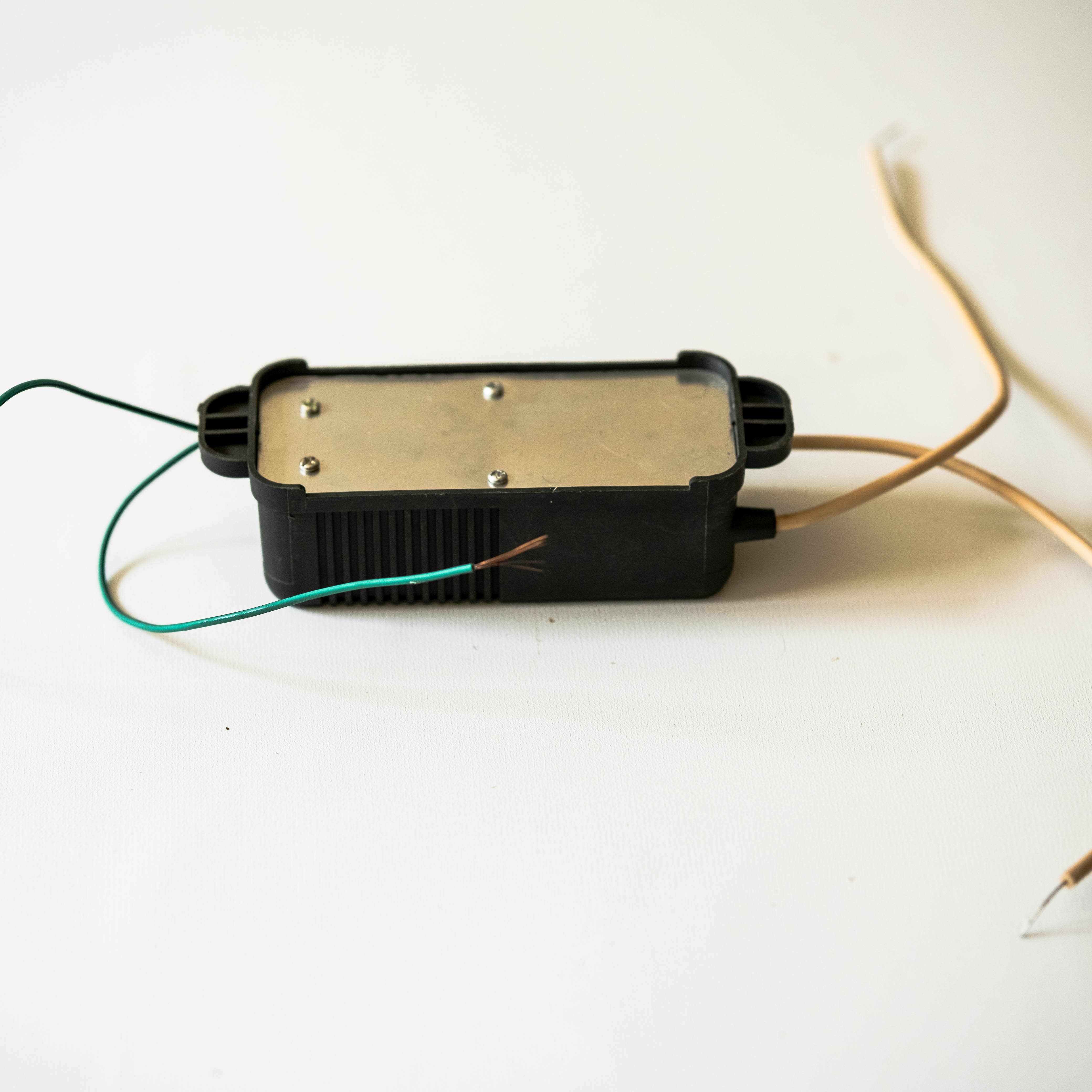
A reliable maintenance routine for a flyback transformer begins with safe isolation and a consistent inspection process. Because this component operates in a switching power circuit and may involve hazardous voltages, maintenance is not simply a visual check. The key steps are to make the equipment safe, assess the transformer and its surrounding circuit, identify signs of stress, and document any work before returning the system to service.
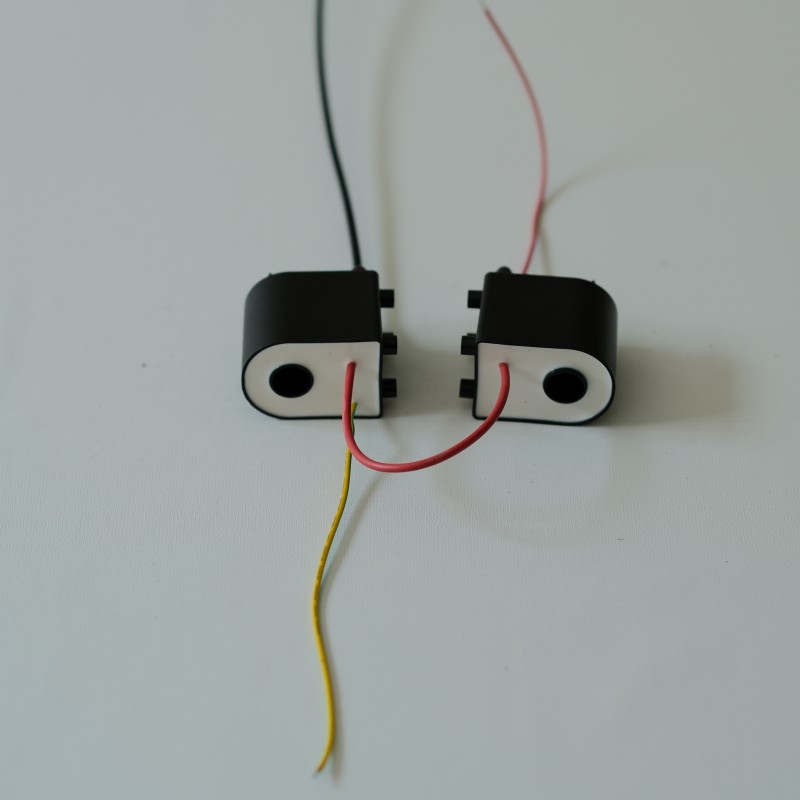
The right sequence helps technicians distinguish transformer deterioration from problems elsewhere in the power supply. A flyback transformer should be checked in the context of its operating conditions, protection components, connections, and cooling environment. Follow the equipment maker’s service instructions and site safety procedures; if the circuit cannot be made safe or test results are uncertain, qualified service personnel should take over.
Prepare and inspect the transformer safely
Isolate power and confirm a safe condition
Before touching a flyback transformer, disconnect the equipment from its power source and follow the site’s lockout procedure. Allow the circuit to discharge for the period specified by the equipment documentation, then use an appropriately rated meter to verify the relevant points are at a safe level. Never assume that switching off the unit has removed stored energy from capacitors or other circuit elements.
Use the required personal protective equipment and insulated tools, and keep the work area controlled. A flyback transformer may sit near high-voltage sections, so avoid handling exposed conductors or relying on appearance as proof of safety. If the discharge path, isolation point, or measurement method is unclear, stop and consult the service documentation or a qualified electrical professional before proceeding.
Inspect condition, mounting, and connections
With the assembly confirmed safe, examine the flyback transformer for cracks, deformation, discoloration, residue, or signs of overheating. Look closely at the case, insulation, bobbin area, and accessible leads. A sharp odor, unusual deposits, or evidence of arcing can indicate electrical stress, contamination, or excessive temperature and warrants further diagnosis rather than a quick return to operation.
Check that the flyback transformer is firmly mounted and that connectors, solder joints, and cable insulation show no looseness or damage. Inspect nearby components as well, including capacitors, diodes, switching devices, and protection parts, since their failure can create symptoms that appear to originate in the transformer. Do not bend leads or disturb insulation simply to improve access during a routine inspection.
Clean and test without causing new damage
Remove contamination using approved methods
Dust and conductive debris can interfere with heat removal or insulation performance, so clean the flyback transformer only after completing isolation checks. Use a method approved for the equipment, such as a soft, dry brush or controlled low-pressure air where permitted. Prevent debris from being driven deeper into the assembly, and avoid liquids or solvents unless the manufacturer explicitly approves their use.
Pay attention to the surrounding air path, vents, and board surfaces because a clean flyback transformer can still operate poorly if nearby airflow is blocked. Do not scrape coatings, remove insulating material, or apply an unapproved coating during cleaning. If contamination has penetrated a sealed area or appears carbonized, record the condition and arrange a suitable technical assessment instead of treating it as ordinary dust.
Use appropriate electrical checks
Testing should match the equipment design and the technician’s training. A flyback transformer may be checked for visible winding or connection faults using suitable instruments and procedures, but a basic continuity result alone cannot establish that it performs correctly under operating conditions. Compare readings with service specifications where available, and account for connected circuit paths that can affect measurements.
Do not apply an insulation tester, high-voltage test, or powered test unless the procedure explicitly calls for it and the technician is qualified to perform it. Incorrect test voltage or setup can damage the flyback transformer or connected electronics. When a measurement differs from expectations, verify the test configuration, isolate relevant components as instructed, and investigate the circuit before deciding that the transformer itself is defective.
Restore operation and improve maintenance records
Reassemble and verify the operating environment
After inspection, cleaning, and testing, reinstall covers and barriers, secure the flyback transformer, and confirm that wiring follows the original routing. Check that insulation has not been pinched and that connectors are seated as specified. Before energizing the equipment, remove tools and loose materials, confirm that protective parts are in place, and ensure the work area is clear.
Where an approved commissioning procedure is available, follow it to verify normal operation without bypassing safeguards. Observe the flyback transformer for abnormal noise, odor, heat, or visible arcing from a safe position. If any unexpected behavior occurs, shut down using the proper procedure and investigate the cause. Do not extend operation merely to see whether a suspected fault clears on its own.
Record findings and set a practical interval
A useful service record identifies the equipment, date, operating context, inspection findings, measurements, cleaning performed, and any corrective action. Include the condition of the flyback transformer and nearby components, not just a general pass or fail note. Consistent records help maintenance teams spot recurring heat, contamination, connection, or load-related issues and make future inspections more focused.
Set inspection frequency according to the equipment maker’s recommendations, duty cycle, environment, and service history. A flyback transformer in a dusty, hot, or heavily cycled system may need closer attention than one in a clean, stable installation, but intervals should be based on evidence and risk rather than assumption. Review the schedule after repeated faults, process changes, or significant repairs.
FAQ
How often should a flyback transformer be inspected?
There is no universal interval for every flyback transformer. Follow the equipment documentation and adjust the schedule to operating hours, environmental conditions, fault history, and site risk controls. Record findings so inspection timing can be reviewed using actual maintenance evidence.
Can routine cleaning fix transformer overheating?
Cleaning may help when blocked airflow or surface dust contributes to heat buildup, but it will not correct every cause. A flyback transformer may overheat because of a circuit fault, excessive load, poor connection, or internal damage, so investigate the system rather than relying on cleaning alone.
Can technicians test a flyback transformer while powered?
Powered testing involves hazardous energy and should only be performed by qualified personnel following an approved procedure with suitable instruments and protective controls. For routine maintenance, isolate the equipment first and assess the flyback transformer using the specified safe checks whenever possible.