
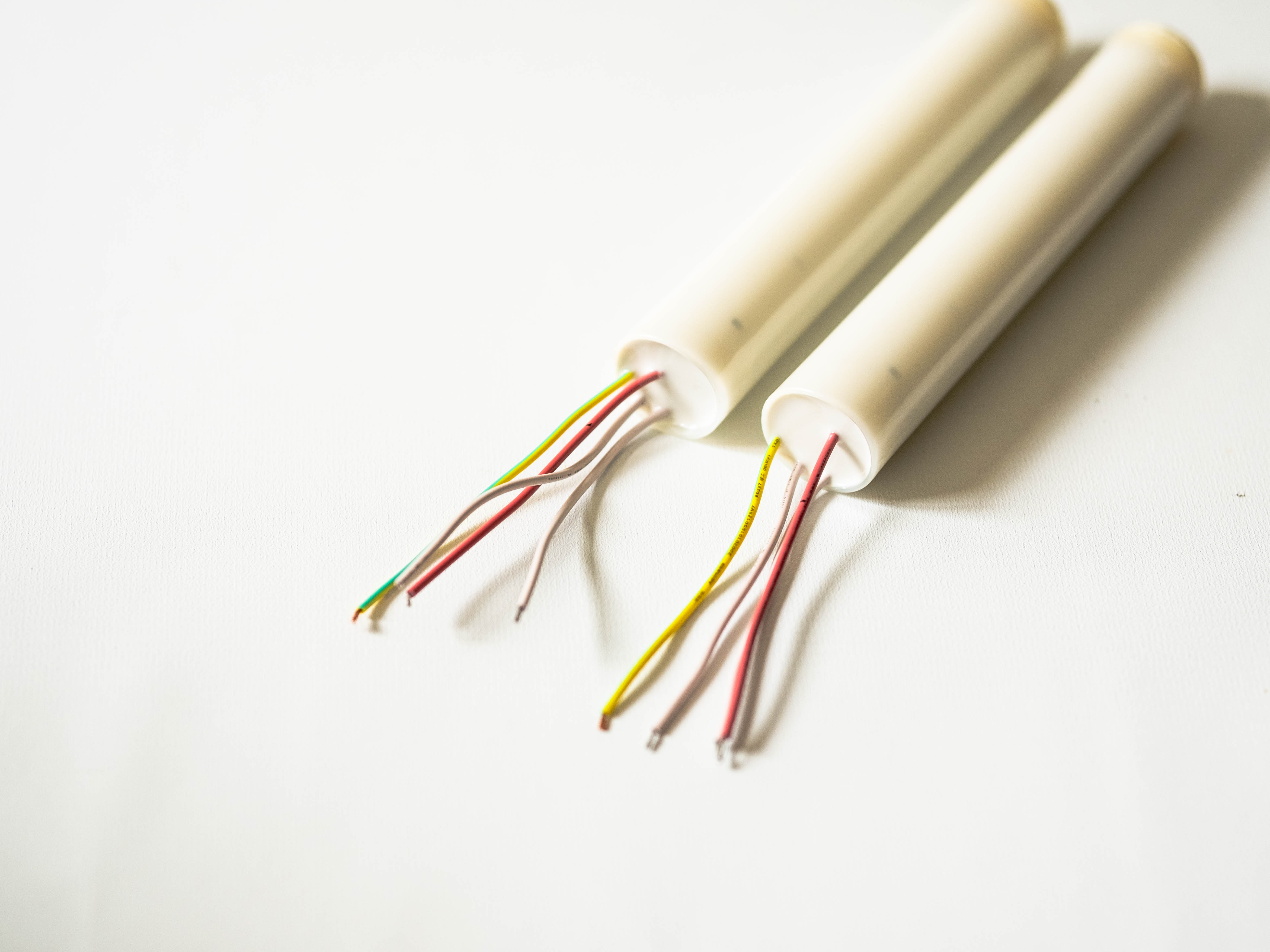
Low-power high-voltage transformers still need consistent maintenance: modest power ratings do not remove electrical, thermal, or insulation risks. A high voltage module can become unreliable when dust, loose connections, moisture, or aging insulation go unnoticed. These practical tips help maintenance teams catch developing problems, plan safe inspections, and keep transformer operation dependable.
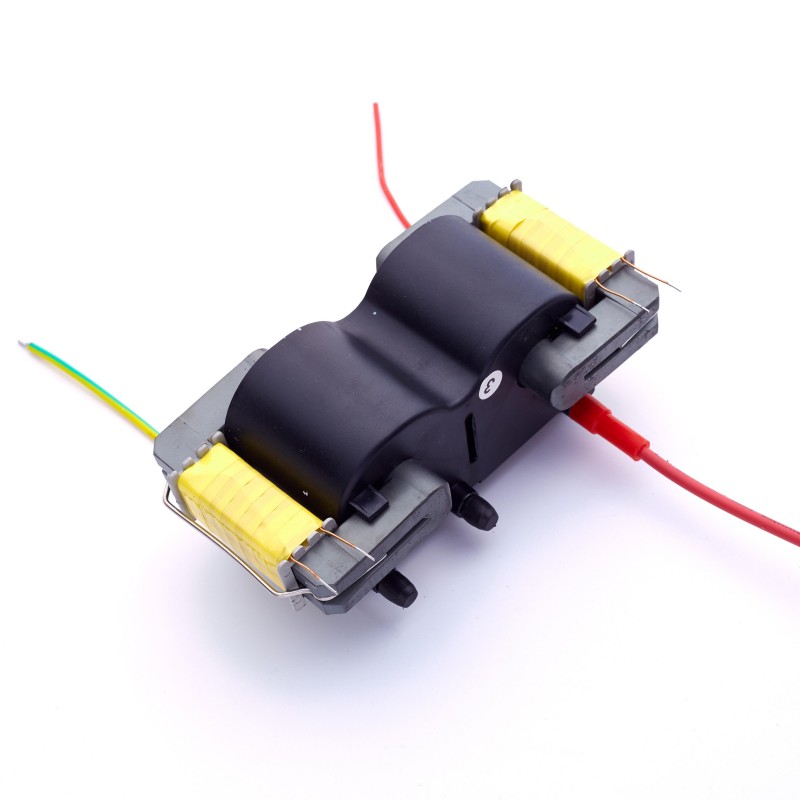
The right schedule depends on operating conditions, enclosure design, and the manufacturer’s instructions, not simply on a calendar interval. Treat each high voltage module as part of a complete system: inspect its surroundings, review operating records, and respond to unusual changes. The guidance below focuses on safe, repeatable tasks that support low-power transformer service.
Establish a safe, repeatable maintenance routine
Set inspection intervals from operating conditions
Start with the equipment manual, site electrical-safety procedures, and the transformer’s service history. A high voltage module in a clean, controlled cabinet may need a different inspection frequency from one exposed to dust, vibration, or frequent switching. Record the reasoning behind the interval so the schedule can be adjusted when actual conditions change.
Use operating hours, ambient temperature, load patterns, and past faults to guide the review. Check the high voltage module more often after process changes, extended shutdowns, or repairs. A written schedule makes small checks less likely to be skipped and helps the team distinguish routine findings from new symptoms that deserve prompt investigation.
Make isolation and discharge non-negotiable
Before hands-on work, follow the approved shutdown and lockout process, then verify isolation with suitable, correctly rated test equipment. Stored energy may remain after power is removed, so use the specified discharge and waiting procedure. Never assume a high voltage module is safe because a display is blank or an indicator has gone dark.
Only qualified personnel should perform electrical checks, and they should use the required protective equipment and barriers. Confirm the work area is controlled and prevent unintended re-energization. If the high voltage module has no clear service procedure, stop and consult the responsible technical authority instead of improvising a test or opening a sealed assembly.
Inspect physical condition and operating environment
Keep surfaces, vents, and connections clean
After safe isolation, inspect for dust, residue, corrosion, discoloration, cracked insulation, and signs of arcing. Contamination can create leakage paths or obstruct heat removal, so clean only with methods approved for the equipment. Keep a high voltage module dry, and avoid solvents or tools that could damage coatings, labels, connectors, or insulating materials.
Look for loose mounting hardware, strained wires, worn cable jackets, and connector movement without disturbing parts unnecessarily. Do not tighten terminals blindly; use the specified method and torque where service instructions permit. Document any change around the high voltage module with a clear location and description, allowing another technician to compare the finding on the next visit.
Control heat, moisture, and vibration
Review cabinet ventilation and confirm that air paths are not blocked by stored items, filters, or nearby process debris. Compare measured temperatures with the equipment’s stated limits and with earlier readings under similar loads. A gradual temperature rise around a high voltage module may point to restricted cooling, increased loading, or a developing connection problem.
Check for condensation, water ingress, excessive humidity, and vibration transmitted from nearby machinery. Correct the environmental cause where possible rather than repeatedly cleaning the same deposit. If the high voltage module shows dampness, unusual odor, or vibration-related damage, keep it out of service until a qualified person assesses the condition and approves a safe return.
Verify electrical performance and document findings
Track readings and investigate changes
During authorized operation, monitor the values specified by the manufacturer, which may include input conditions, output behavior, temperature, or protective-device status. Compare readings with baseline records taken under comparable conditions. A high voltage module should not be judged from a single measurement when load and ambient factors can influence normal behavior.
Investigate repeated alarms, unstable output, unexpected shutdowns, or readings that drift from the established baseline. Record the time, operating state, relevant measurements, and any recent process changes. These details help technicians isolate whether the high voltage module, its load, cooling path, or upstream supply may be involved, without relying on guesswork.
Use approved tests and close the maintenance loop
Insulation, continuity, and functional tests should follow the manufacturer’s procedure and be performed with instruments rated for the task. Incorrect test voltage or connection can damage components or expose personnel to hazards. If approved tests identify an abnormal high voltage module, do not return it to operation until the fault has been assessed and the repair verified.
After service, record what was inspected, cleaned, measured, adjusted, or replaced, along with the technician and date. Note unresolved concerns and define who will follow up. A maintenance history for each high voltage module reveals recurring conditions, supports scheduling decisions, and gives operations staff a reliable basis for reporting changes between formal inspections.
FAQ
How often should a low-power transformer be inspected?
Use the manufacturer’s guidance and site risk assessment as the starting point, then consider dust, heat, humidity, vibration, and duty cycle. A high voltage module in harsher service may warrant more frequent checks. Review the interval after faults, process changes, or repeated findings, and document why the selected schedule remains appropriate.
Can operators clean a high voltage module?
Operators may perform only tasks allowed by site procedures and the equipment instructions. Cleaning should follow safe isolation requirements and approved materials; energized cleaning is not a substitute for maintenance. If a high voltage module has contamination, damage, or uncertain discharge status, refer the work to qualified electrical personnel.
What signs mean a transformer needs prompt attention?
Unusual heat, odor, noise, visible discoloration, unstable output, repeated alarms, moisture, or damaged insulation should be investigated. Record the operating state and alert the responsible technician. A high voltage module showing these symptoms may require isolation and assessment rather than continued operation, especially if the cause or severity is unclear.