

Selecting a low power high voltage transformer starts with the system’s real electrical demands, not a headline voltage or a compact enclosure. A high voltage module must deliver the required output under the actual load while fitting available input power, control signals, insulation clearances, and operating conditions. Define those needs before comparing specifications. This approach helps engineers avoid selecting a high voltage module that reaches the target voltage only at no load, or one that imposes unnecessary size, integration work, or energy demand.
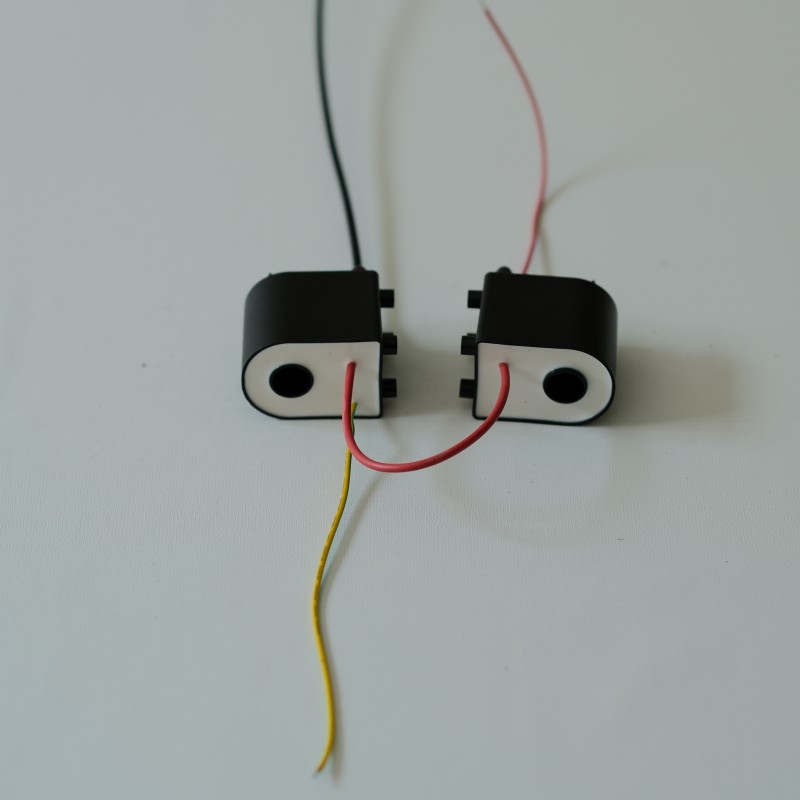
A practical selection process moves from load and output requirements to input compatibility, safety, control, and verification. Each choice affects whether the transformer will work reliably in the finished equipment, rather than simply match a line on a datasheet. The right high voltage module is the one whose ratings and interfaces suit the complete operating cycle. Consider startup, steady operation, shutdown, and foreseeable faults; then confirm those conditions with the product documentation and system-level testing before freezing the design.
Define the electrical requirements first
Match output voltage to the application
Start by documenting the minimum, nominal, and maximum output voltage required by the load. A high voltage module should be evaluated at its specified operating conditions, including load current and input range, because output behavior can change as demand changes. Identify whether the application needs a stable voltage, an adjustable range, or a particular waveform. Also establish acceptable ripple, regulation, and startup behavior where these affect process quality or measurement accuracy. Avoid choosing a high voltage module solely because its maximum voltage exceeds the target.
Calculate current, power, and duty cycle
Estimate normal current and any brief peaks, then determine output power from voltage and current together. A high voltage module must support the required load continuously or for the specified duty cycle; a short-duration rating is not equivalent to a continuous rating. Include charging demand for capacitive loads, since startup current may differ substantially from steady-state current. Check whether the high voltage module permits the intended load type and operating frequency. Allow a justified margin for tolerances and expected variation, rather than oversizing without regard to efficiency or integration.
Check integration, control, and safety
Verify input and interface compatibility
Confirm the available input voltage, its tolerance, and whether it is direct current or alternating current. Compare these conditions with the high voltage module’s documented input range and startup requirements. Then review the physical and electrical interfaces: connector type, pin assignment, mounting arrangement, polarity, and available space for cable routing. Control options also matter. If the system needs enable, inhibit, adjustment, or monitoring signals, make sure the high voltage module exposes compatible interfaces and logic levels. Clear integration details can prevent redesign late in equipment development.
Plan insulation, grounding, and protection
High voltage design requires attention to separation distances, insulation, grounding, enclosure design, and access during service. Check the ratings and installation guidance for the high voltage module, then assess the complete assembly rather than assuming the component rating alone settles system safety. Consider how wiring, nearby conductive parts, moisture, dust, and vibration affect the installation. Determine suitable protection against overload, short circuit, and unintended activation according to the application’s risk assessment. A high voltage module should be installed and tested by qualified personnel using procedures appropriate to the system.
Evaluate operating conditions and verify fit
Account for heat, environment, and service
Review the expected ambient temperature, ventilation, enclosure, and operating duration. Losses in a high voltage module become heat, so surrounding components and restricted airflow may influence its practical operating limits. Read derating guidance and mounting instructions, and assess whether the equipment can maintain those conditions during normal use. Also consider dust, humidity, vibration, and the expected service environment. Select a high voltage module with documented conditions that match the installation, rather than relying on a rating that applies only in a different test setup.
Validate the choice in the complete system
Before release, compare the shortlisted unit’s datasheet with the requirements recorded at the start. Test output across the intended input range, load conditions, and duty cycle, while monitoring temperature, control response, and relevant electrical behavior. The selected high voltage module should operate predictably during startup and shutdown as well as steady running. Document test limits and acceptance criteria before evaluation. If measurements reveal a mismatch, revisit the load assumptions, interface needs, or environmental limits instead of compensating with an unsupported adjustment to the high voltage module.
FAQ
What specifications matter most when selecting a high voltage module?
The main specifications are output voltage range, current and power capability, input requirements, duty cycle, and load compatibility. A high voltage module also needs suitable control interfaces, insulation provisions, and operating-temperature limits for the equipment. Check whether ratings describe continuous or intermittent operation and what conditions apply. The most important specification depends on the load: a capacitive load, for example, may make startup behavior especially relevant. Match the complete set of high voltage module characteristics to documented system requirements.
How much power margin should a high voltage module have?
There is no universal margin that suits every design. Base headroom on measured or well-supported estimates of load variation, startup demand, component tolerances, and operating conditions. Confirm that the high voltage module can sustain the resulting demand for the required duration, and consult its derating information. A large margin does not automatically improve a design if it creates unnecessary size, input demand, or control complexity. Validate the chosen high voltage module under representative system conditions before finalizing the rating.
When should the transformer choice be tested in the equipment?
Test as soon as the intended load, input supply, and basic interfaces are available, then repeat verification in the representative enclosure. Early testing can reveal whether the high voltage module starts correctly, maintains the required output, and stays within documented operating conditions. Later system-level tests should include normal duty, expected load changes, and safe shutdown behavior. Record results against predefined criteria. Testing the high voltage module in context is more informative than relying on a bench check that omits real wiring, airflow, or nearby equipment.