
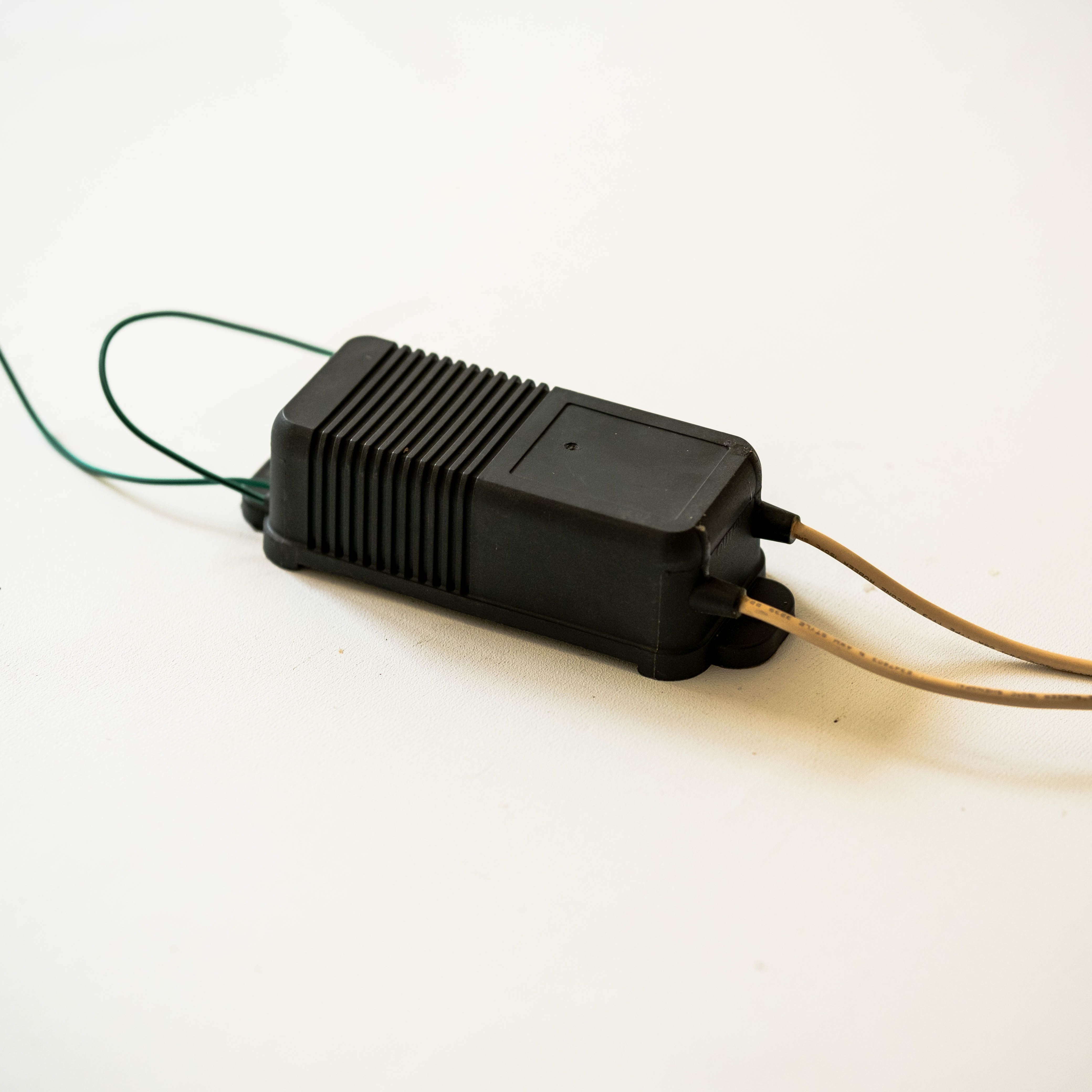
An ozone generator is used in industrial deodorization and disinfection when a process needs treatment of air, equipment, or spaces without relying only on fragrances or routine surface cleaning. Its practical role is to produce ozone for a defined treatment cycle, allowing the gas to react with odor-causing compounds and susceptible microorganisms. An ozone generator is not suitable for every setting, however: application depends on exposure control, the target contaminant, and safe re-entry conditions.
The applications range from treating persistent odors in waste-handling areas to supporting controlled sanitation of unoccupied rooms and process spaces. An ozone generator can complement established cleaning and ventilation practices, but should not be treated as a substitute for soil removal or a validated hygiene program. Understanding what is being treated, how the space is sealed, and who may be exposed helps determine whether ozone is appropriate.
Industrial settings suited to ozone treatment
Odor control in air and waste operations
Wastewater facilities, rendering operations, food-processing plants, and waste rooms may contain odors from volatile compounds generated during production or decomposition. An ozone generator can be applied in a controlled air-treatment arrangement to oxidize some odor-causing substances before exhaust air is released or returned to a designated space. The ozone generator must be selected and positioned around airflow, odor load, and contact time rather than simply room size.
In practice, operators first identify the source: a drain, tank, process exhaust, or stored material may require a different control point. An ozone generator treating an exhaust duct can address an air stream more directly than a unit placed in a large occupied work area. Enclosure integrity, ventilation balance, and downstream monitoring matter because untreated bypass air can limit results, while ozone leakage creates an exposure concern.
Rooms, equipment, and production areas
Industrial deodorization may also be considered for cold rooms, storage spaces, vehicle interiors, and production rooms after a source has been removed and surfaces cleaned. An ozone generator can help treat residual airborne odor within a sealed, unoccupied space. For equipment or room treatment, the operating plan should state which areas are included, how air circulates, and how staff are prevented from entering during the cycle.
Material compatibility is essential before an ozone generator is used around elastomers, coatings, wiring, textiles, or sensitive instruments. Ozone is reactive, so repeated exposure may affect certain materials depending on concentration, duration, and conditions. Facilities should review equipment documentation and, where needed, conduct a controlled assessment. An ozone generator is a poor fit if the required exposure could damage critical components or if the treated space cannot be isolated reliably.
Disinfection applications and treatment limits
Unoccupied-space and equipment sanitation
A further application is microbial reduction in defined, unoccupied spaces or compatible equipment enclosures. An ozone generator may expose surfaces and air to ozone during a controlled cycle, including locations that are difficult to reach by direct wiping. This is useful only when the intended organisms, target surfaces, and treatment conditions are understood. An ozone generator does not make every surface sterile, and shadowed areas or organic residues can interfere with treatment.
For a disinfection objective, the facility needs a documented protocol rather than an assumption that running an ozone generator for a chosen duration will be sufficient. Concentration, contact time, humidity, temperature, room geometry, and ozone demand can influence outcomes. Follow applicable product directions and relevant regulatory requirements, and verify efficacy using an appropriate method for the specific application. An ozone generator should support, not replace, validated cleaning and sanitation steps.
Fit within a hygiene program
In food, beverage, pharmaceutical, and other regulated operations, an ozone generator must fit the site’s hygiene controls and authorization process. Teams should distinguish environmental treatment from direct product or process-water use, which can involve separate technical and regulatory requirements. An ozone generator used in one approved context should not be assumed appropriate in another. Document the intended treatment boundary, operating conditions, and verification responsibilities.
A sanitation manager can evaluate whether an ozone generator addresses a defined gap, such as inaccessible surfaces in an empty enclosure or odor remaining after routine cleaning. If the actual problem is residue, a blocked drain, or inadequate extraction, ozone may mask symptoms without correcting the cause. An ozone generator is most useful when paired with source control, physical cleaning, and ventilation improvements that reduce the continuing contaminant load.
Safe and effective application planning
Exposure controls and re-entry
Ozone can irritate and harm people at unsafe exposure levels, so an ozone generator must not operate in an occupied area unless the specific system and application are expressly designed and authorized for that use. Industrial treatment plans should isolate the space, restrict access, and account for adjacent rooms and connected ductwork. An ozone generator should be interlocked or otherwise controlled so that an unexpected entry or process change does not expose workers.
Before restarting work, operators need a defined purge and clearance procedure. An ozone generator cycle should end with adequate ventilation or another approved removal step, followed by measurement where the risk assessment calls for it. Do not rely on smell to judge safety; odor perception varies and is not a dependable clearance instrument. An ozone generator requires clear signage, trained operators, and an established response plan for alarms, leaks, or equipment faults.
Choosing the treatment approach
The appropriate ozone generator application begins with a site survey: identify the odor or hygiene target, source location, space volume, airflow, occupancy pattern, and nearby materials. Then assess whether the treatment can be enclosed and whether monitoring and ventilation can be provided. An ozone generator should be sized and configured by reference to the required process conditions, not by broad claims about coverage or output alone.
Commissioning should confirm that the ozone generator operates as intended, that controls prevent unsafe access, and that treated air or spaces meet the site’s acceptance criteria. Keep records of settings, treatment duration, maintenance, monitoring, and any material inspections. If performance is inconsistent, investigate leaks, ozone demand, distribution, or an unresolved odor source before increasing exposure. An ozone generator is one engineering control within a wider industrial program, not a standalone guarantee.
FAQ
Can an ozone generator remove industrial odors?
Yes, an ozone generator can help control some odors by reacting with airborne odor-causing compounds in a suitably designed, controlled application. Results depend on identifying the source, airflow, contact conditions, and ongoing emissions. An ozone generator will not correct a leak, poor housekeeping, or a process problem, so source control remains important.
Can an ozone generator disinfect an occupied factory?
Generally, industrial ozone treatment is planned for isolated, unoccupied spaces because exposure can be harmful. An ozone generator should only be used according to the applicable system instructions, risk assessment, and regulatory requirements. Re-entry needs a reliable clearance procedure; odor alone is not proof that ozone has dissipated.
What should be checked before installation?
Confirm the treatment objective, enclosure and airflow, worker protections, monitoring needs, and compatibility of nearby materials. An ozone generator should integrate with cleaning, ventilation, and site hygiene procedures. Review operating controls and maintenance needs as well, so the ozone generator remains appropriate as production layouts or processes change.