
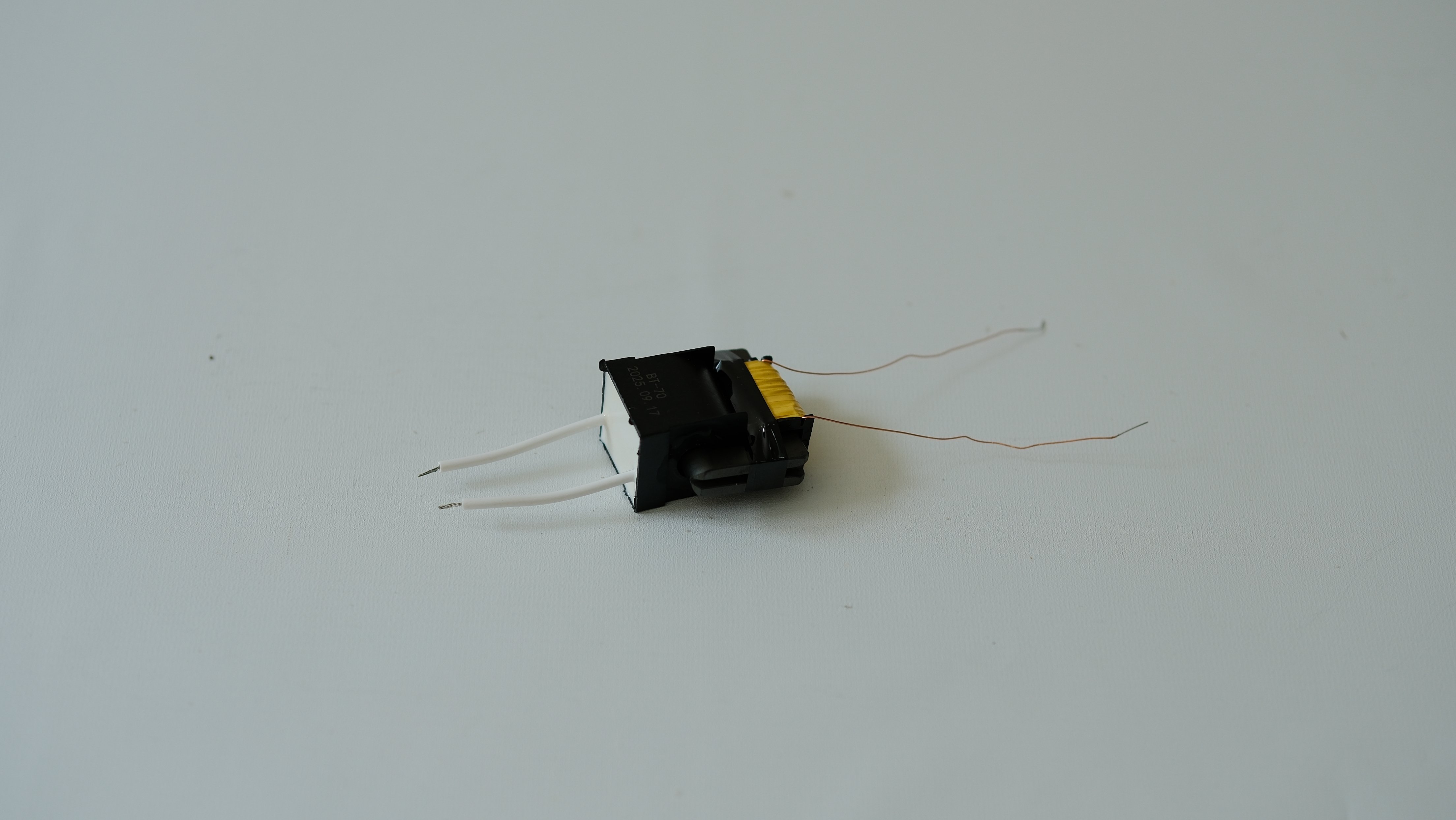
An ignition coil may need replacement when an engine misfires, starts poorly, or loses power, but one symptom alone is not proof. The reliable approach is to connect operating symptoms with diagnostic evidence. Understanding how an ignition coil behaves when failing helps you avoid replacing a serviceable part or overlooking a fault elsewhere in the ignition system.

The signs can appear intermittently, become more noticeable under load, or develop into a persistent fault. This guide explains what to watch for, how to check whether the ignition coil is responsible, and when replacement is justified. Because similar symptoms can come from plugs, wiring, fuel delivery, or sensors, use a process rather than guessing.
Recognize the symptoms that warrant a check
Misfires, rough running, and power loss
A weak ignition coil may not provide consistent spark, so one or more cylinders can misfire. You may feel shaking at idle, hesitation during acceleration, or reduced engine power on a hill. These symptoms make the ignition coil worth investigating, especially if they recur under similar conditions, but they do not confirm failure by themselves.
A misfire can also result from a worn spark plug, damaged plug wire, injector problem, or air leak. Note whether the roughness appears at idle, during acceleration, or after the engine warms. That pattern helps a technician narrow down the cause and prevents a hasty ignition coil replacement based solely on a general warning light.
Starting trouble and warning signs
A failing ignition coil can make starting difficult because the engine may not receive a strong, reliable spark. The starter may turn normally while the engine takes longer to catch, or it may start and then run unevenly. A completely failed coil can stop its cylinder from firing, though a no-start condition has many possible causes.
The check-engine light may illuminate when the control system detects a misfire. Some vehicles store a cylinder-specific fault code, while others report a broader misfire. Treat a code as a clue, not a verdict: it identifies what the system observed, not necessarily a defective ignition coil. Stop driving and seek prompt help if the engine runs severely rough or the warning light flashes.
Confirm the cause before replacing a part
Read codes and inspect related components
Begin with a diagnostic scan, recording stored and pending codes before clearing anything. A cylinder-specific misfire code can direct attention to the affected area, and freeze-frame details may show engine speed or load when the fault occurred. This information makes ignition coil diagnosis more focused, but codes should be interpreted alongside physical inspection and vehicle-specific service information.
With the engine off and cool, inspect the coil body, electrical connector, and visible wiring for cracks, corrosion, loose connections, or signs of moisture. Check the spark plug condition and service history too. Oil in a plug well, damaged insulation, or a worn plug can cause symptoms that resemble an ignition coil fault, so inspect the whole circuit before deciding.
Use controlled tests to isolate the fault
A technician may compare the suspect ignition coil with another cylinder by following the manufacturer-approved test procedure. On designs that permit it, moving a coil to a different cylinder and checking whether the misfire follows can provide useful evidence. Do not swap parts blindly: some systems use coil arrangements that make this test unsuitable, and connectors must be handled correctly.
Electrical testing can assess supply voltage, ground, connector integrity, and coil operation with suitable tools. Specifications differ by vehicle, so a generic resistance reading may not settle the question. If the same cylinder continues to misfire after a verified coil change or test, investigate the plug, wiring, injector, compression, and air or fuel conditions rather than condemning another ignition coil.
Decide when replacement is appropriate
Match the evidence to the replacement decision
Replacement is justified when inspection or a correct diagnostic test identifies a damaged coil, an electrical fault within it, or a misfire that consistently follows that coil during an approved swap test. Confirm that its connector and power supply are sound first. This evidence-based decision is more reliable than replacing an ignition coil simply because the engine feels rough.
Consider the vehicle's maintenance records, mileage, and whether the coil failure is isolated or part of a repeated pattern. A single confirmed failure does not automatically mean every coil must be changed. Follow the service guidance for that engine, check related plugs and boots, and weigh access labor against the condition of the remaining components when planning ignition coil service.
Replace safely and verify the repair
Use the correct replacement specification for the vehicle and follow its service procedure. Work with the ignition off, allow hot parts to cool, and avoid pulling on wiring when disconnecting a connector. Incorrect fitment, poor connections, or damaged seals can create a new fault, so keep the ignition coil and surrounding parts clean and install them as directed.
After installation, clear codes only when appropriate, then verify the repair under conditions similar to those that produced the symptom. Check for returning codes, smooth idle, and normal acceleration, while observing safe driving practices. If a misfire remains, reassess the diagnosis instead of assuming the new ignition coil is defective; another system may be responsible or a connector may need attention.
FAQ
Can I keep driving with a suspected ignition coil problem?
A mild intermittent symptom still needs diagnosis, but severe shaking, loss of power, or a flashing warning light calls for stopping safely and arranging assistance. Continued misfiring can increase the risk of damage to other parts of the exhaust system. Do not treat an ignition coil concern as harmless simply because the engine still runs.
Will a fault code prove that the ignition coil has failed?
No. A code can identify a misfire or affected cylinder, but the cause may be a plug, wiring, fuel, or mechanical issue. Use the code to guide inspection and testing. Confirm an ignition coil fault with physical checks or an appropriate diagnostic procedure before ordering a replacement.
Should all coils be replaced at the same time?
Not automatically. Replace the component confirmed as faulty unless the vehicle's service guidance or inspection supports broader work. A technician can assess age, access, plug condition, and repeat failures. This approach keeps an ignition coil repair tied to evidence while accounting for the practical cost of returning to the same work area.