

Low-power, high-voltage transformers are useful when equipment needs an elevated electrical output without a large power demand. A high voltage module can make that conversion practical by combining voltage generation and control in a compact assembly. Its advantages are most relevant in systems where available space, energy use, electrical stability, and integration all affect operating cost and equipment design.
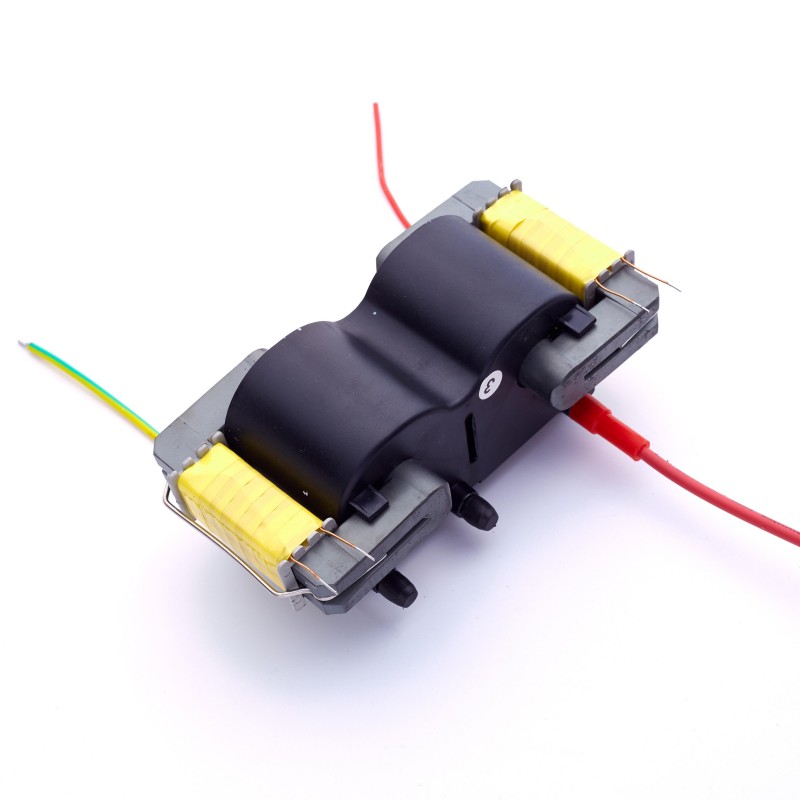
The benefit is not simply a higher output voltage. A well-matched high voltage module helps engineers deliver the electrical conditions a specific load needs while avoiding unnecessary capacity. That can simplify equipment architecture and support predictable operation, provided designers account for load behavior, insulation, safety, and the actual duty cycle rather than choosing a transformer by voltage rating alone.
Why low power and elevated voltage work well together
Less input demand for a defined electrical task
Many industrial and commercial processes need high potential but draw modest current. In such cases, a high voltage module can supply the required output without sizing the entire power system for a high-current load. This distinction matters because power depends on both voltage and current. Matching a high voltage module to the real load helps prevent oversizing and reduces avoidable input demand.
A low-power design is particularly useful when the electrical task is intermittent, localized, or limited to a small process zone. A high voltage module can serve that function without requiring a large transformer installation nearby. Engineers still need to consider startup behavior and peak demand: the high voltage module must tolerate the load's actual operating profile, not just its average consumption.
More flexibility in equipment layout
A compact high voltage module can give equipment designers more freedom to place power conversion close to the point of use. Shorter, better-planned connections may simplify routing and help keep the overall machine layout orderly. The high voltage module should still be separated from sensitive electronics and accessible service areas according to the system's insulation and electrical safety requirements.
Space savings can influence enclosure size, mounting plans, and the division of functions across a production line. Where several stations perform different tasks, a dedicated high voltage module at the relevant station may be more practical than distributing high-voltage wiring across the entire installation. This arrangement can make the equipment easier to configure, although the high voltage module still needs adequate ventilation and service clearance.
Operational advantages in industrial equipment
Output matched to the application
A transformer-based high voltage module provides a route from the available supply to an output suited to a particular process. The useful advantage is control over that conversion, rather than an assumption that every application needs the same voltage or power. Engineers should specify a high voltage module by input range, output requirements, load characteristics, operating duration, and environmental conditions.
For example, equipment used in electrostatic processes, testing, or specialized treatment may need elevated voltage while maintaining a relatively low current. In these situations, a high voltage module can be integrated as a functional subsystem instead of redesigning the machine around a larger supply. The specific process determines the correct ratings, and each high voltage module must be validated with its connected load.
Potential for simpler system integration
A self-contained high voltage module can reduce the number of separate conversion components an equipment team must position and connect. This may simplify wiring plans and make the power section easier to review during assembly. Before selection, confirm how the high voltage module handles regulation, protection, control signals, grounding, and connections so that its interfaces fit the wider system.
Integration also affects maintenance. If technicians can identify the high voltage module and its connections clearly, inspection and fault isolation may be more straightforward. That benefit depends on documentation, labeling, access, and safe discharge procedures; a compact package does not remove electrical hazards. Include the high voltage module in maintenance instructions and ensure servicing follows the equipment's approved isolation process.
Selection factors that determine whether the benefits apply
Electrical ratings and duty conditions
The advantages depend on choosing a high voltage module that fits the load rather than selecting by maximum output alone. Review required voltage, current, ripple or stability needs, input conditions, and expected operating time. Also examine transient loads and the consequences of a fault. A high voltage module that is poorly matched can undermine efficiency, reliability, and the intended compact design.
Environmental and installation details matter as much as nominal ratings. Temperature, humidity, dust, vibration, enclosure limits, and cooling all influence performance. Designers should verify that the high voltage module is suitable for its intended environment and that its insulation and clearances meet applicable requirements. A high voltage module should not be placed in a location that obstructs inspection or encourages unsafe handling.
Safety, compliance, and lifecycle planning
Elevated voltage calls for deliberate protection, regardless of low power. System planning should address barriers, grounding, interlocks where needed, warning labels, stored energy, and safe access during service. The high voltage module is only one part of the safety design; the enclosure, wiring, load, and operating procedure must work together. Risk review should happen before the equipment reaches production.
Lifecycle cost includes installation, operating conditions, inspection, and replacement planning, not just the initial component price. A properly specified high voltage module may support a less demanding power architecture, but those gains should be assessed against the full system. Review documentation and support requirements, then test the high voltage module in the intended configuration before committing to a production design.
FAQ
What is the main advantage of a low-power high-voltage transformer?
It can provide elevated voltage for a defined task without requiring a high-power supply. A high voltage module may help limit unnecessary capacity and fit within compact equipment, when its ratings match the load and duty conditions.
Does a high voltage module always reduce energy use?
No. A high voltage module does not guarantee lower consumption by itself. Energy use depends on conversion losses, load behavior, operating time, and system design, so engineers should compare measured or specified performance in the intended application.
What should engineers check before integrating one?
Confirm input and output ratings, load characteristics, environmental suitability, insulation, cooling, protection, and maintenance access. Include the high voltage module in the safety review and validate it with the connected equipment before deployment.