
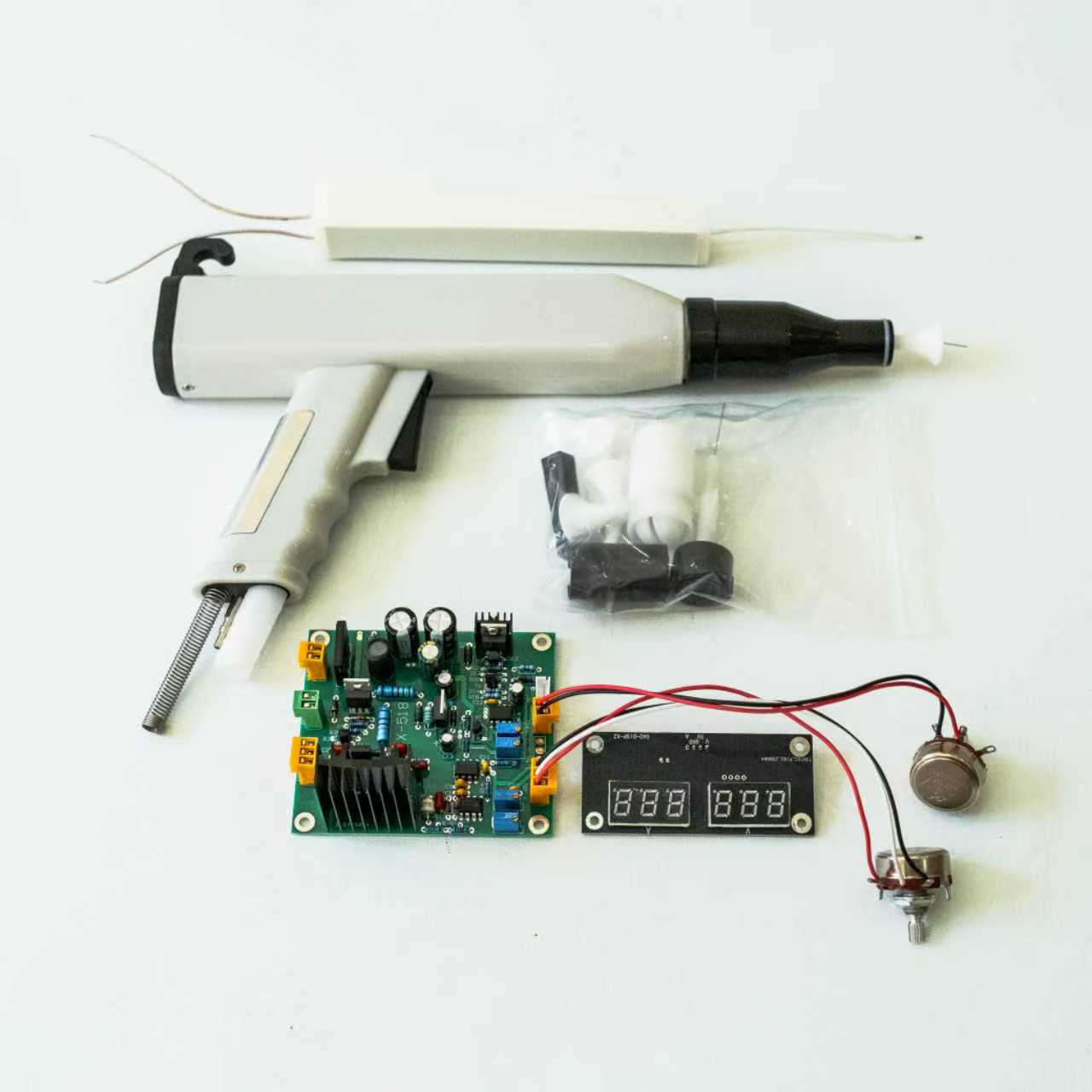
Optimizing powder use starts with controlling how the coating leaves the gun, reaches the part, and returns through the recovery system. A powder coating spray gun can help limit waste when its settings suit the powder, part geometry, and booth conditions. The goal is consistent coverage with the lowest practical feed rate, not simply applying less material.

Efficient operation depends on a repeatable process rather than a single ideal setting. With a powder coating spray gun, operators should balance electrostatic charge, air delivery, gun distance, and movement speed, then verify results on actual parts. Small adjustments made methodically can reduce overspray while maintaining the film build and finish the job requires.
Set up the process for efficient powder transfer
Match settings to the powder and part
Begin by confirming the powder manufacturer’s recommended application range and the part’s coating specification. A powder coating spray gun needs settings that support stable fluidization and a consistent cloud, because erratic delivery encourages operators to compensate with excess feed. Record a baseline for air, voltage, current limits, and powder output before changing anything.
The right powder coating spray gun setup also depends on part shape and grounding. Broad, flat panels usually present fewer access challenges than deep recesses, corners, or Faraday areas. Check that parts make reliable electrical contact with the hanger and conveyor; poor grounding can weaken attraction and send more powder past the target.
Adjust powder output only after the cloud appears stable. If the coating is heavy in one area and thin in another, raising feed may increase waste without solving the cause. With a powder coating spray gun, first inspect air balance, nozzle condition, voltage behavior, and the operator’s pass pattern, then make one measured adjustment at a time.
Stabilize air and electrostatic settings
Airflow transports powder, but excessive conveying or shaping air can scatter the cloud and reduce deposition. Set the powder coating spray gun to deliver a controlled plume that reaches the work without visibly rebounding or drifting. Operators should use the equipment’s operating guidance and validate changes against the actual powder and part configuration.
Electrostatic settings should support attraction without causing back ionization or an uneven finish. A powder coating spray gun with a stable high-voltage system can help establish consistent charging, but voltage is not a substitute for sound grounding or correct technique. If defects appear, compare settings and test panels rather than increasing voltage automatically.
Apply powder with controlled operator technique
Use consistent distance, angle, and overlap
Keep the gun at a repeatable distance and angle so the powder cloud reaches the part predictably. When using a powder coating spray gun, move at a steady pace and overlap each pass enough to avoid stripes without repeatedly loading the same area. A consistent route is especially useful on large panels and repeat-production components.
Corners and edges often attract more powder, while recesses can remain undercoated. The operator should approach these features deliberately instead of dwelling with the powder coating spray gun at close range. Use a suitable angle and controlled pass to reach difficult areas, then coat open surfaces with a smooth, even movement.
For complex parts, plan the sequence before spraying: address hard-to-reach surfaces, then complete accessible faces while maintaining a consistent pace. This helps prevent later passes from disturbing previously deposited powder. A powder coating spray gun works more efficiently when operators follow a repeatable path and avoid unnecessary trigger time between parts.
Adapt the pass to production conditions
Line speed, part spacing, and hanger orientation affect the time available for coverage. If spacing changes, an operator may need to adjust the pass timing rather than increase powder output. Monitor how the powder coating spray gun performs across a full production run, since a successful test on one part may not represent every position on the conveyor.
Training should focus on observable actions: distance, travel speed, trigger control, and the order of surfaces coated. Supervisors can compare finished parts and powder use across shifts to identify inconsistent habits. When the powder coating spray gun technique is standardized, process changes become easier to evaluate and powder consumption is less dependent on individual preference.
Test adjustments on representative parts and inspect coverage after curing. Confirm that reduced output still meets the specified appearance and film requirements before adopting it across the line. A powder coating spray gun should be tuned for reliable quality first; savings that create rework or rejected parts are not meaningful efficiency gains.
Control waste through inspection and maintenance
Track consumption and coating quality together
Review powder input alongside coated area, part mix, and reject or rework trends. This context helps distinguish genuine improvement from a temporary change in production volume. Record the powder coating spray gun settings that produced acceptable results, including the powder type and part conditions, so teams can repeat the process.
Inspect the booth and recovery system for leaks, buildup, or airflow problems that can send usable powder away from collection. Even a well-adjusted powder coating spray gun cannot compensate for poor booth balance or an obstructed recovery path. Keep reclaimed powder within the approved quality controls for the coating process and follow site procedures for blending or reuse.
Use film thickness checks and visual inspection to confirm that efficiency changes preserve the required finish. A lower feed rate is useful only if coverage remains acceptable across edges, recesses, and exposed faces. Compare like-for-like parts and document results so a powder coating spray gun adjustment can be judged on both consumption and coating quality.
Maintain components and revisit settings
Worn nozzles, contaminated hoses, and buildup around the electrode can disrupt the powder cloud or charging behavior. Inspect and clean the powder coating spray gun according to the equipment instructions, with safe isolation and handling procedures in place. Replace damaged components when inspection shows they no longer deliver a consistent pattern.
Recheck settings after changing powder, color, part geometry, or production speed. These changes can affect flow and coverage, so old settings may no longer be appropriate. A powder coating spray gun process log gives operators a useful starting point, but each change should still be confirmed through a controlled trial.
A disciplined improvement cycle is straightforward: establish a baseline, change one variable, inspect the result, and record the outcome. Apply this approach to the powder coating spray gun and the surrounding booth conditions rather than relying on guesswork. Over time, documented trials help the team identify stable operating windows and avoid repeated adjustments that add powder without improving coverage.
FAQ
How can operators reduce overspray without sacrificing coverage?
Use a steady pass, suitable gun distance, reliable grounding, and controlled powder output. Check coverage on representative parts before changing production settings. A powder coating spray gun should be adjusted methodically, with film and finish requirements used to confirm the result.
Should voltage be increased to improve powder efficiency?
Not automatically. Excessive voltage may contribute to uneven deposition in some geometries, while poor grounding or airflow may be the actual cause of low transfer. Assess the part and test settings in line with equipment guidance before changing the powder coating spray gun voltage.
How often should spray settings be reviewed?
Review settings whenever powder, part design, line speed, or application conditions change, and during routine process checks. Keep a record of proven settings and confirm them with production parts. This helps the powder coating spray gun remain consistent as operating conditions evolve.