
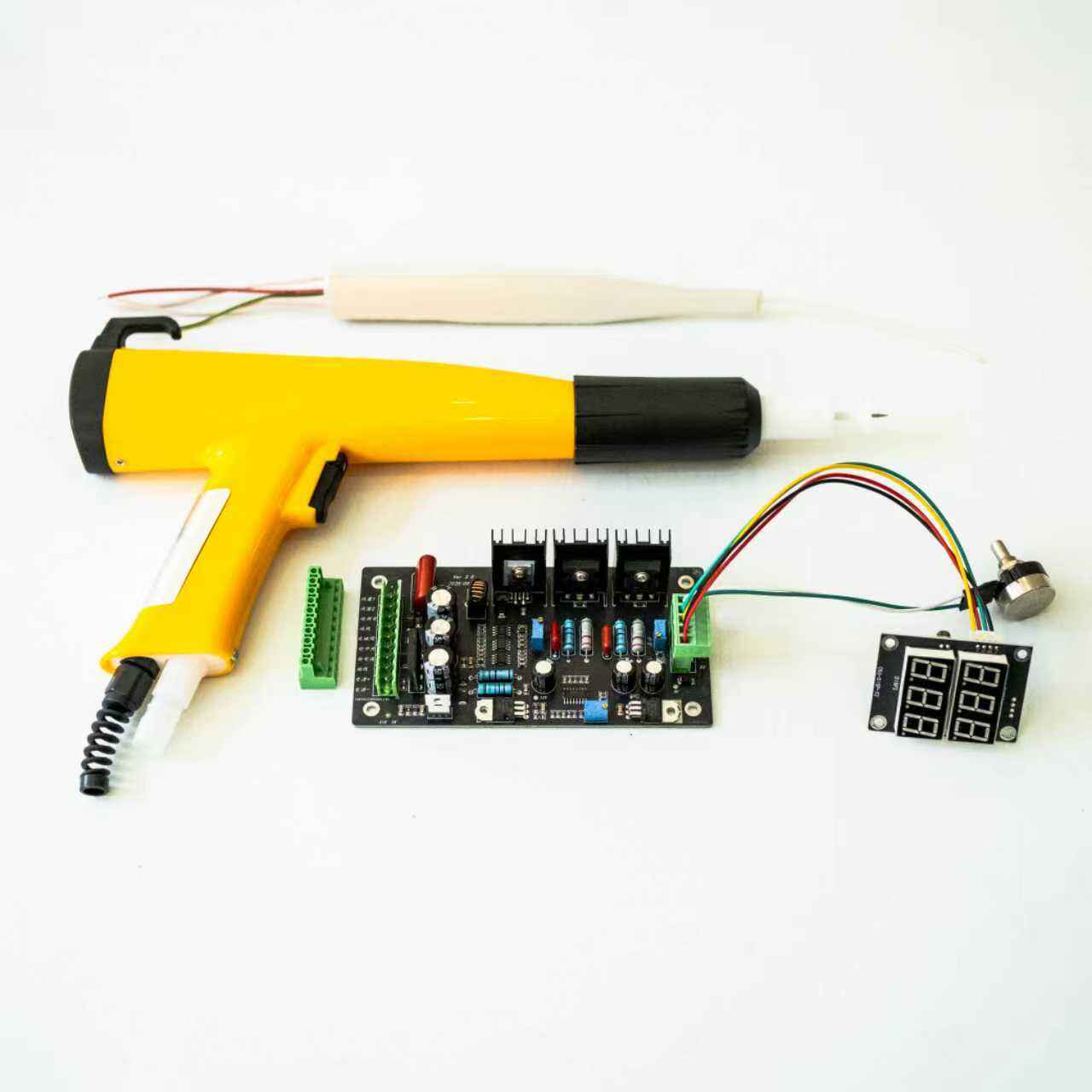
Modern industrial coating operations demand maximum efficiency while minimizing material waste, making the selection and optimization of spray gun technology a critical factor in achieving superior results. The integration of advanced high voltage module for electrostatic spraying systems has revolutionized powder coating applications across manufacturing industries. These sophisticated modules enable precise control over particle charging, resulting in improved transfer efficiency and reduced overspray. Understanding the fundamental principles behind electrostatic spraying technology allows operators to maximize their equipment's potential while achieving consistent, high-quality finishes.
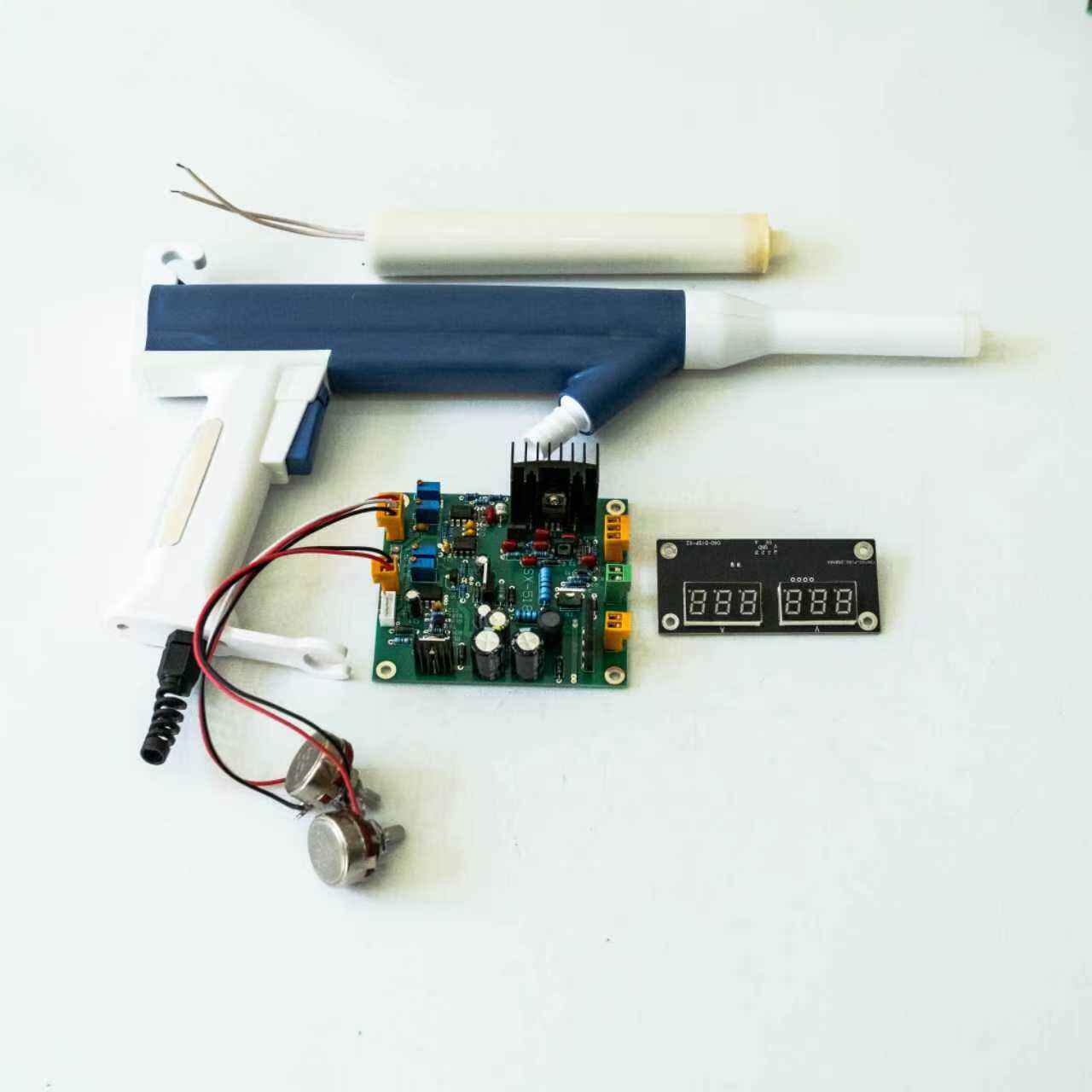
Electrostatic spray gun technology operates on the principle of creating an electrical charge differential between the powder particles and the grounded substrate. This charge attraction ensures superior adhesion and coverage compared to conventional spray methods. The high voltage module serves as the heart of this system, generating the necessary electrical field that imparts charge to powder particles as they exit the spray gun. Professional coating facilities utilizing modern high voltage module for electrostatic spraying equipment report transfer efficiency rates exceeding 85%, significantly reducing material consumption and environmental impact.
Understanding Electrostatic Spray Gun Components
Power Generation and Control Systems
The power generation system within electrostatic spray guns represents a sophisticated engineering achievement that converts standard facility power into precisely controlled high-voltage output. Modern high voltage module for electrostatic spraying systems incorporate advanced switching power supplies that maintain consistent voltage levels regardless of varying load conditions. These modules typically operate within voltage ranges of 60-100 kilovolts, with current outputs carefully regulated to ensure operator safety while maximizing coating performance. Digital control interfaces allow operators to fine-tune voltage settings based on specific powder characteristics and substrate requirements.
Voltage regulation technology has evolved significantly in recent years, incorporating microprocessor-controlled feedback systems that automatically adjust output parameters in real-time. These intelligent systems monitor powder flow rates, ambient humidity conditions, and substrate grounding effectiveness to optimize spray patterns continuously. The integration of diagnostic capabilities within modern high voltage module for electrostatic spraying equipment enables predictive maintenance scheduling and reduces unexpected downtime. Advanced power modules also feature built-in surge protection and arc suppression technologies that extend component lifespan while maintaining consistent performance standards.
Electrode Configuration and Design
Electrode design plays a crucial role in determining spray pattern characteristics and powder charging efficiency. Internal electrode configurations vary significantly between manufacturers, with some systems utilizing corona discharge principles while others employ triboelectric charging methods. The high voltage module for electrostatic spraying connects directly to these electrode assemblies, creating the electrical field necessary for effective powder charging. Proper electrode maintenance and periodic replacement ensure optimal charging performance and prevent coating defects associated with worn or contaminated components.
Corona electrode systems require careful attention to geometry and surface condition to maintain consistent discharge patterns. These electrodes typically feature sharp points or thin wires that concentrate the electrical field, creating corona discharge zones where powder particles acquire charge. Regular inspection and cleaning of electrode surfaces prevent carbon buildup that can reduce charging efficiency and create unstable spray patterns. Modern electrode designs incorporate materials specifically selected for their durability and resistance to powder accumulation, extending service intervals and improving overall system reliability.
Optimizing Powder Flow Parameters
Fluidization and Delivery Systems
Proper powder fluidization represents a fundamental requirement for achieving consistent spray gun performance and optimal material utilization. Fluidized bed systems create a homogeneous mixture of powder and compressed air that flows smoothly through delivery hoses to the spray gun. The high voltage module for electrostatic spraying works most effectively when powder particles maintain uniform size distribution and consistent flow characteristics. Moisture content control becomes critical in maintaining powder flowability, as excessive humidity can cause particle agglomeration and reduce charging efficiency.
Compressed air quality directly impacts powder delivery performance and system longevity. Contaminated air containing oil vapor, moisture, or particulate matter can interfere with electrostatic charging and create coating defects. High-quality filtration systems incorporating coalescing filters and desiccant dryers ensure clean, dry air delivery to both fluidization beds and spray gun pneumatic systems. The pressure regulation within delivery systems must be carefully balanced to maintain consistent powder flow while preventing excessive air velocity that could disrupt charging processes within the high voltage module for electrostatic spraying assembly.
Powder Preparation and Conditioning
Powder conditioning involves several critical steps that prepare coating materials for optimal electrostatic application. Temperature control throughout the powder handling system prevents condensation and maintains consistent material properties. Sieving and filtering processes remove oversized particles and foreign contaminants that could interfere with spray gun operation or create surface defects. The electrical properties of powder materials significantly influence their interaction with the high voltage module for electrostatic spraying, requiring careful selection of materials based on their triboelectric characteristics and charging behavior.
Storage conditions for powder materials must be carefully controlled to maintain their charging characteristics and prevent degradation. Humidity control systems maintain optimal moisture levels that enhance electrostatic charging without causing powder agglomeration. Regular testing of powder electrical properties ensures consistent performance and helps identify materials that may require special handling or modified spray parameters. Quality control procedures should include periodic measurement of powder particle size distribution, moisture content, and charging characteristics to maintain optimal spray gun performance.
Spray Pattern Optimization Techniques
Distance and Angle Adjustments
The relationship between spray distance and transfer efficiency represents a critical optimization parameter that directly affects powder consumption rates. Optimal spray distances typically range from 6 to 12 inches, depending on the specific high voltage module for electrostatic spraying configuration and powder characteristics. Closer distances increase transfer efficiency but may create excessive powder buildup in recessed areas, while greater distances reduce coating thickness uniformity and increase overspray. Systematic testing with different substrate geometries helps establish optimal positioning guidelines for various applications.
Spray angle considerations become particularly important when coating complex geometric shapes or parts with varying surface orientations. The electrostatic field created by the high voltage module for electrostatic spraying naturally attracts particles to grounded surfaces, but proper gun positioning ensures uniform coverage across all surface areas. Multi-axis spray systems or robotic applications can automatically adjust spray angles based on part geometry, maximizing coverage efficiency while minimizing powder waste. Operator training programs should emphasize the importance of maintaining consistent gun positioning and movement patterns to achieve repeatable results.
Environmental Control Factors
Ambient environmental conditions significantly influence electrostatic spray gun performance and powder charging effectiveness. Humidity levels above 70% can reduce charging efficiency and increase the likelihood of powder agglomeration, while extremely low humidity conditions may cause excessive static buildup and operator discomfort. Temperature variations affect both powder flow characteristics and electrical conductivity, requiring adjustments to the high voltage module for electrostatic spraying output parameters to maintain consistent performance.
Air movement patterns within spray booths must be carefully designed to capture overspray particles while avoiding interference with electrostatic charging processes. Excessive air velocity can disrupt the electrical field and reduce transfer efficiency, while insufficient airflow may allow powder accumulation on booth surfaces. Proper booth design incorporates laminar airflow patterns that guide overspray particles toward recovery systems without creating turbulence near the spray zone. Regular monitoring of environmental conditions and adjustment of spray parameters accordingly ensures optimal performance across varying operational conditions.
Equipment Maintenance and Calibration
Preventive Maintenance Protocols
Systematic maintenance programs for electrostatic spray equipment focus on preserving the performance and reliability of critical components, particularly the high voltage module for electrostatic spraying systems. Daily maintenance tasks include visual inspection of electrode conditions, verification of grounding connections, and monitoring of voltage output readings. Weekly procedures involve cleaning of powder delivery components, inspection of compressed air filtration systems, and calibration of flow control devices. These routine maintenance activities prevent many common performance issues and extend equipment service life significantly.
Deep cleaning procedures require careful attention to electrical safety protocols while ensuring thorough removal of powder residues from all system components. Specialized cleaning solvents and techniques preserve the integrity of electrical insulation while removing accumulated contaminants. Component replacement schedules should be based on manufacturer recommendations and actual usage patterns, with particular attention to wear items such as electrodes, seals, and filtration elements. Documentation of maintenance activities provides valuable data for optimizing service intervals and predicting component replacement requirements.
Performance Monitoring and Diagnostics
Modern diagnostic systems for electrostatic spray equipment provide real-time monitoring of critical performance parameters, enabling proactive maintenance and optimization decisions. Voltage monitoring systems track the output characteristics of the high voltage module for electrostatic spraying, alerting operators to potential issues before they affect coating quality. Current measurement capabilities help identify grounding problems or electrode contamination that could reduce charging efficiency. These diagnostic tools significantly reduce troubleshooting time and help maintain consistent spray gun performance.
Data logging capabilities within advanced spray gun control systems capture performance trends over extended periods, facilitating predictive maintenance strategies and process optimization initiatives. Statistical analysis of operating parameters helps identify optimal settings for specific applications and powder types. Integration with facility management systems enables automated alerts and maintenance scheduling based on actual equipment usage and performance data. This proactive approach to equipment management reduces unplanned downtime and improves overall operational efficiency.
Troubleshooting Common Performance Issues
Charging System Problems
Inadequate powder charging represents one of the most common performance issues encountered in electrostatic spray operations. This condition typically manifests as reduced transfer efficiency, uneven coverage patterns, or excessive overspray generation. The high voltage module for electrostatic spraying may experience reduced output due to contaminated insulators, worn electrodes, or inadequate grounding connections. Systematic diagnosis involves measuring voltage output, inspecting electrode conditions, and verifying grounding system integrity to identify the root cause of charging problems.
Environmental factors often contribute to charging system performance degradation, particularly in facilities with variable humidity or temperature conditions. Moisture infiltration into electrical components can cause insulation breakdown and reduce voltage output capabilities. Regular inspection of sealing systems and replacement of moisture-damaged components prevents many charging-related issues. The high voltage module for electrostatic spraying requires protection from environmental contaminants through proper enclosure design and climate control systems within spray booth environments.
Powder Flow and Delivery Issues
Inconsistent powder flow represents another frequent challenge that affects spray gun performance and coating quality. Flow irregularities may result from contaminated compressed air, worn powder delivery components, or inadequate fluidization bed performance. The interaction between powder flow characteristics and the high voltage module for electrostatic spraying requires careful balance to achieve optimal charging and transfer efficiency. Troubleshooting procedures should systematically evaluate each component of the powder delivery system to isolate the source of flow problems.
Powder contamination issues often develop gradually and may not be immediately apparent during routine operation. Foreign particles, moisture, or chemical contamination can significantly affect powder charging characteristics and spray pattern uniformity. Regular powder testing and quality control procedures help identify contamination issues before they impact production quality. Storage and handling procedures must be strictly controlled to prevent contamination and maintain the electrical properties necessary for effective electrostatic spraying with modern high voltage module systems.
Advanced Application Techniques
Multi-Gun System Coordination
Large-scale coating operations often utilize multiple spray guns operating simultaneously to achieve production efficiency requirements. Coordination between multiple high voltage module for electrostatic spraying systems requires careful attention to electrical interference and grounding considerations. Each spray gun must maintain proper electrical isolation while sharing common grounding systems and powder delivery infrastructure. Advanced control systems enable synchronized operation and parameter adjustment across multiple spray stations to maintain coating consistency.
Interference between adjacent spray guns can create unstable electrostatic fields that reduce charging efficiency and transfer performance. Proper spacing and shielding design minimize electromagnetic interference while allowing efficient booth utilization. The high voltage module for electrostatic spraying in multi-gun systems often incorporates special filtering and isolation circuits to prevent cross-talk between units. Operator training becomes particularly important in multi-gun installations to ensure proper coordination and safety procedures.
Automated Process Integration
Integration of electrostatic spray guns with automated handling systems and robotic applications requires sophisticated control interfaces and feedback systems. The high voltage module for electrostatic spraying must respond quickly to process control signals while maintaining stable output characteristics during rapid parameter changes. Communication protocols between spray control systems and automation equipment enable real-time adjustment of spray parameters based on part geometry, coating requirements, and quality feedback systems.
Recipe management systems store optimal spray parameters for different part types and coating specifications, enabling rapid changeover between products without manual setup procedures. These systems integrate with facility management networks to track material usage, monitor equipment performance, and generate production reports. Quality control integration provides feedback loops that automatically adjust spray parameters to maintain coating specifications within acceptable tolerances. The sophistication of modern high voltage module for electrostatic spraying systems enables seamless integration with Industry 4.0 manufacturing concepts.
FAQ
What voltage output is typically required for optimal electrostatic spray gun performance
Most industrial electrostatic spray guns operate effectively with voltage outputs ranging from 60 to 100 kilovolts, depending on the specific powder material and application requirements. The high voltage module for electrostatic spraying automatically regulates output based on load conditions and operator settings. Higher voltages generally improve transfer efficiency but require additional safety precautions and may cause excessive powder buildup in certain applications. Optimal voltage settings should be determined through systematic testing with specific powder materials and substrate configurations.
How frequently should spray gun electrodes be cleaned or replaced
Electrode maintenance intervals depend on usage patterns, powder characteristics, and environmental conditions, but typical cleaning schedules range from daily to weekly for high-production operations. Visual inspection of electrode condition should be performed regularly to identify powder buildup or wear that could affect performance. The high voltage module for electrostatic spraying performance can be significantly impacted by contaminated or worn electrodes, making regular maintenance critical for optimal operation. Replacement intervals typically range from several months to over a year, depending on operating conditions and electrode design.
What are the most common causes of reduced transfer efficiency in electrostatic spray systems
Common factors that reduce transfer efficiency include inadequate grounding, contaminated electrodes, improper spray distance, and environmental conditions such as excessive humidity. The high voltage module for electrostatic spraying may experience reduced output due to component wear or contamination, directly affecting charging efficiency. Poor powder quality, including moisture contamination or particle size distribution issues, can also significantly impact transfer performance. Systematic troubleshooting should evaluate each potential factor to identify and correct efficiency problems.
How can operators determine the optimal spray pattern settings for different part geometries
Optimal spray pattern settings require consideration of part geometry, surface area distribution, and accessibility of all coating surfaces. The high voltage module for electrostatic spraying should be adjusted to provide adequate charging while avoiding excessive powder buildup in recessed areas. Systematic testing with representative parts helps establish baseline parameters that can be refined based on coating quality results. Documentation of successful parameter combinations for different part types enables consistent reproduction of optimal results and reduces setup time for recurring applications.
Table of Contents
- Understanding Electrostatic Spray Gun Components
- Optimizing Powder Flow Parameters
- Spray Pattern Optimization Techniques
- Equipment Maintenance and Calibration
- Troubleshooting Common Performance Issues
- Advanced Application Techniques
-
FAQ
- What voltage output is typically required for optimal electrostatic spray gun performance
- How frequently should spray gun electrodes be cleaned or replaced
- What are the most common causes of reduced transfer efficiency in electrostatic spray systems
- How can operators determine the optimal spray pattern settings for different part geometries