
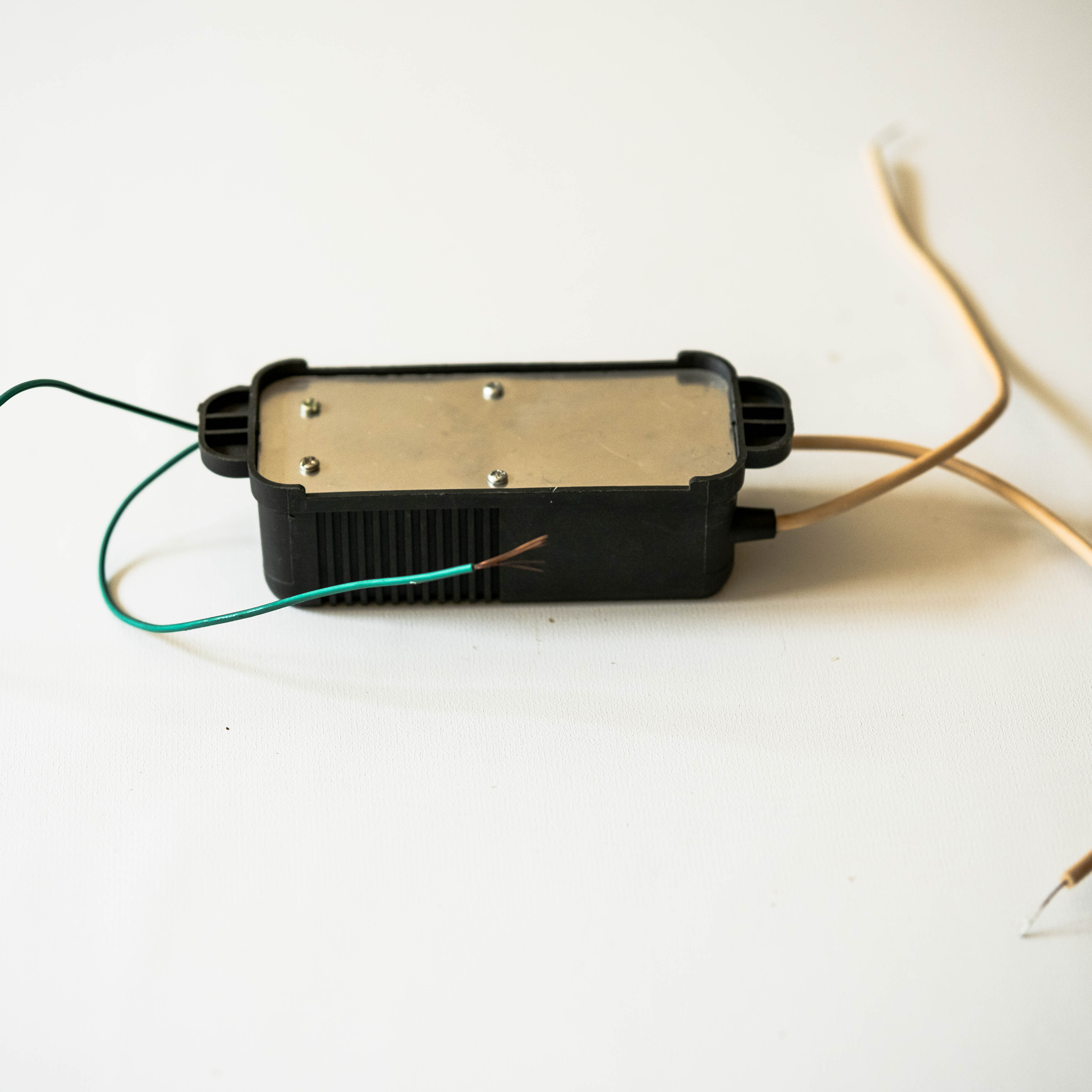
An ozone generator is a powerful device that produces ozone gas to eliminate contaminants, pathogens, and odors from both water and air environments. Industries and facilities worldwide rely on ozone generator technology to achieve superior purification results while maintaining operational efficiency and regulatory compliance. Understanding how an ozone generator functions in real-world scenarios helps decision-makers identify the most suitable purification solutions for their specific treatment challenges.
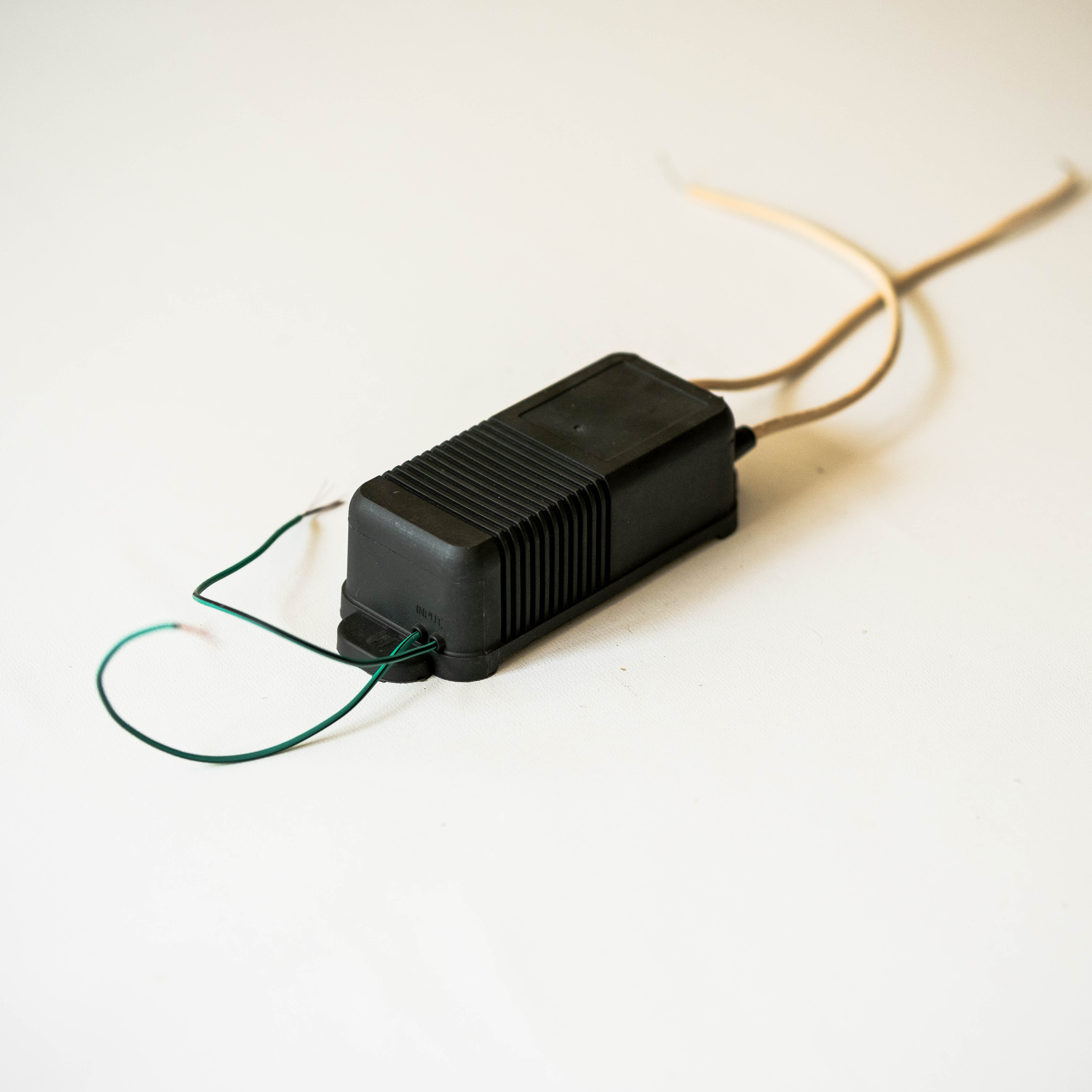
The practical applications of an ozone generator extend across municipal water systems, swimming pools, industrial wastewater treatment, food processing, and indoor air quality management. By leveraging the oxidative power of ozone, these systems deliver rapid disinfection without leaving harmful chemical residues. An ozone generator produces molecular ozone that neutralizes bacteria, viruses, fungi, and organic compounds, making it an environmentally conscious choice for organizations seeking sustainable purification methods.
Water Treatment Applications Using Ozone Generator Technology
Municipal Water Purification and Distribution
Municipal water treatment plants integrate ozone generator systems to deliver safe, clean drinking water to residential and commercial consumers. An ozone generator oxidizes dissolved iron, manganese, and sulfur compounds that cause discoloration and taste issues. The technology also eliminates chlorine-resistant microorganisms like Cryptosporidium, ensuring compliance with drinking water standards. When an ozone generator operates in conjunction with granular activated carbon filtration, the combined effect removes trace pharmaceuticals and pesticide residues that conventional chlorination misses.
Swimming Pool and Recreational Water Systems
An ozone generator maintains swimming pool water clarity and safety by continuously neutralizing bacteria, algae, and chloramines that cause swimmer discomfort and respiratory issues. Unlike traditional chlorine dosing, an ozone generator provides rapid disinfection while reducing the chemical load in pool water. Recreational facilities using an ozone generator report lower chlorine consumption, reduced operating costs, and improved guest satisfaction due to cleaner water and minimal chemical odors. The technology works especially well in high-bather-load environments where conventional methods struggle to maintain consistent water quality.
Industrial and Commercial Water Treatment with Ozone Generator Systems
Wastewater and Industrial Effluent Treatment
Manufacturing facilities, food processing plants, and chemical refineries deploy an ozone generator to treat complex wastewater streams containing dyes, oils, phenols, and recalcitrant organic compounds. An ozone generator breaks down these persistent pollutants through advanced oxidation, enabling facilities to meet discharge regulations and recycle treated water for secondary use. The speed of oxidation with an ozone generator far exceeds conventional biological treatment, making it ideal for facilities with variable or high-concentration effluent. Industries ranging from textile production to beverage bottling rely on ozone generator technology to achieve zero-liquid-discharge targets.
Food and Beverage Processing
Food manufacturers use an ozone generator to sanitize processing water, extend product shelf life, and eliminate pathogenic microorganisms without chemical residues on food contact surfaces. An ozone generator is particularly effective in produce washing systems, where it removes soil-borne bacteria and extends vegetable freshness during distribution. Beverage producers integrate an ozone generator into their bottling lines to ensure microbial stability without altering product taste or requiring preservative additions. The non-toxic nature of ozone makes an ozone generator compliant with food safety regulations across North America, Europe, and Asia.
Air Quality Improvement and Environmental Applications
Indoor Air Quality and Odor Elimination
An ozone generator installed in commercial buildings, hospitals, and offices neutralizes airborne pathogens, volatile organic compounds, and persistent odors caused by mold, smoke, and decomposition. Healthcare facilities deploy an ozone generator in surgical suites and isolation rooms to reduce nosocomial infection transmission risks. Facility managers use an ozone generator in HVAC systems to improve indoor air quality without adding particulate filters that require frequent maintenance. When controlled and monitored properly, an ozone generator delivers measurable improvements in air cleanliness and occupant health outcomes.
Agricultural and Post-Harvest Applications
Agricultural operations utilize an ozone generator in grain storage facilities to prevent fungal proliferation and mold development without applying chemical pesticides. An ozone generator extends the shelf life of fruits, vegetables, and grains by inhibiting microbial growth and reducing ethylene gas buildup. Cold storage facilities equipped with an ozone generator experience lower spoilage rates and reduced product loss during long-term storage periods. The technology represents a chemical-free alternative that appeals to organic producers and facilities following sustainable agricultural practices.
FAQ
How does an ozone generator differ from traditional chlorine-based water treatment?
An ozone generator produces oxidative molecular ozone that disinfects instantly without leaving persistent chemical residues, whereas chlorine requires contact time and often forms harmful disinfection byproducts. An ozone generator eliminates resistant organisms like Cryptosporidium that survive chlorination, while chlorine remains effective at maintaining residual protection in distribution systems. Organizations integrating an ozone generator typically combine it with a secondary disinfectant like chlorine to maintain pipeline safety, creating a hybrid approach superior to either method alone.
What maintenance requirements does an ozone generator demand?
An ozone generator requires periodic inspection of oxygen supply systems, electrical connections, and cooling mechanisms to ensure consistent performance and safety. The operational life of an ozone generator varies by model and usage intensity, typically spanning five to ten years with proper maintenance. An ozone generator using oxygen feed stock demands oxygen purity monitoring and regular cartridge replacement, while corona discharge models require electrode cleaning and occasional replacement. Establishing routine maintenance schedules for an ozone generator prevents unexpected downtime and extends system longevity.
Can an ozone generator handle seasonal or variable water quality challenges?
An ozone generator excels at handling fluctuating water quality because ozone reacts instantly to contaminants regardless of seasonal variation or temperature changes. Storm events that introduce sediment, algae blooms, or microbial surges are easily managed when an ozone generator operates alongside filtration systems. An ozone generator adjusts output automatically through modern control systems, scaling treatment intensity to match real-time contamination levels. This adaptability makes an ozone generator particularly valuable for facilities serving communities with variable raw water sources.