
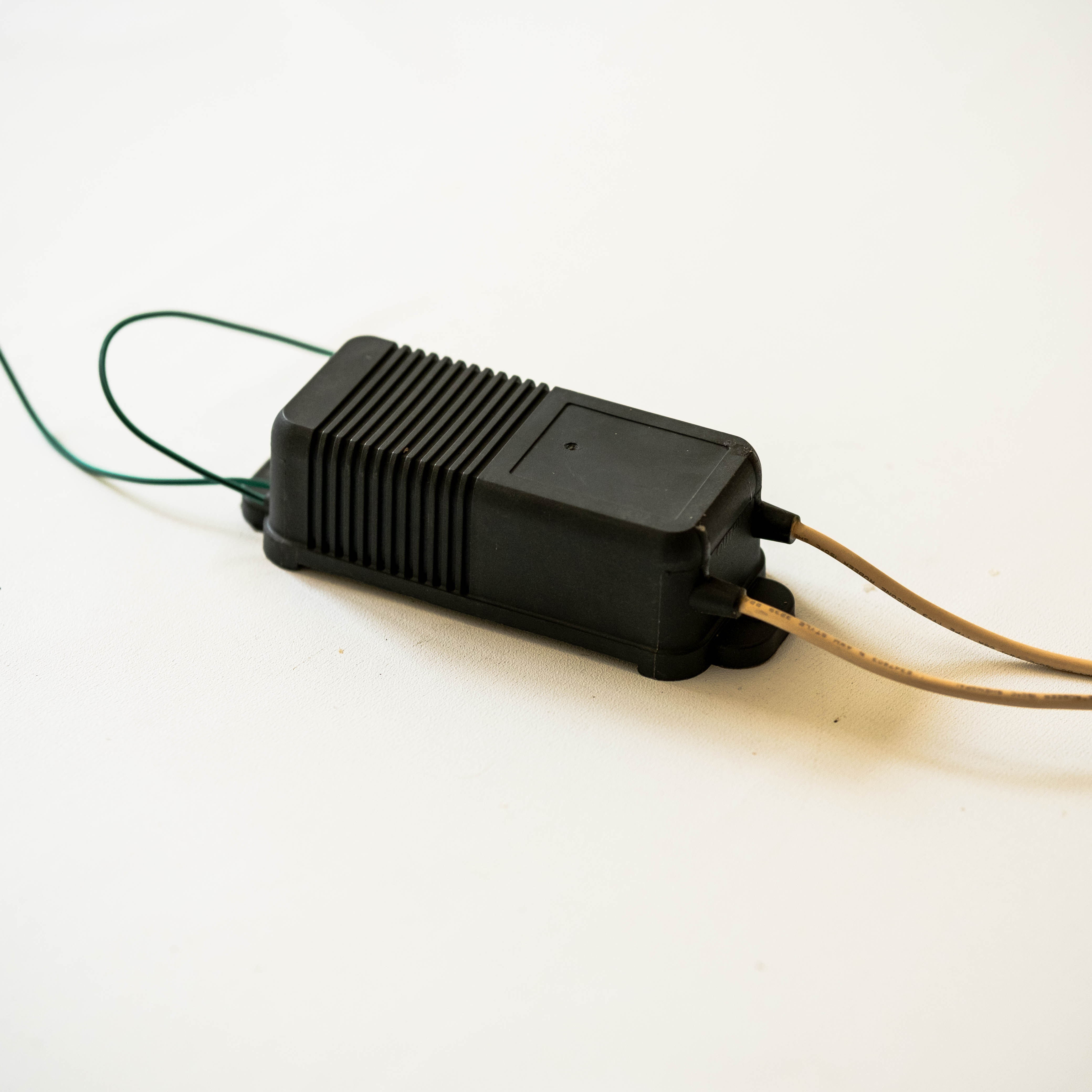
The ozone generator field has experienced remarkable innovation over the past several years, driven by increasing industrial demand and environmental regulations. Modern ozone generator systems now incorporate sophisticated technologies that significantly enhance performance, reliability, and operational efficiency compared to earlier designs. Understanding these latest technological developments in ozone generator architecture is essential for industries relying on water treatment, air purification, food safety, and medical sterilization applications. Today's ozone generator solutions deliver superior results while maintaining cost-effectiveness and environmental responsibility.
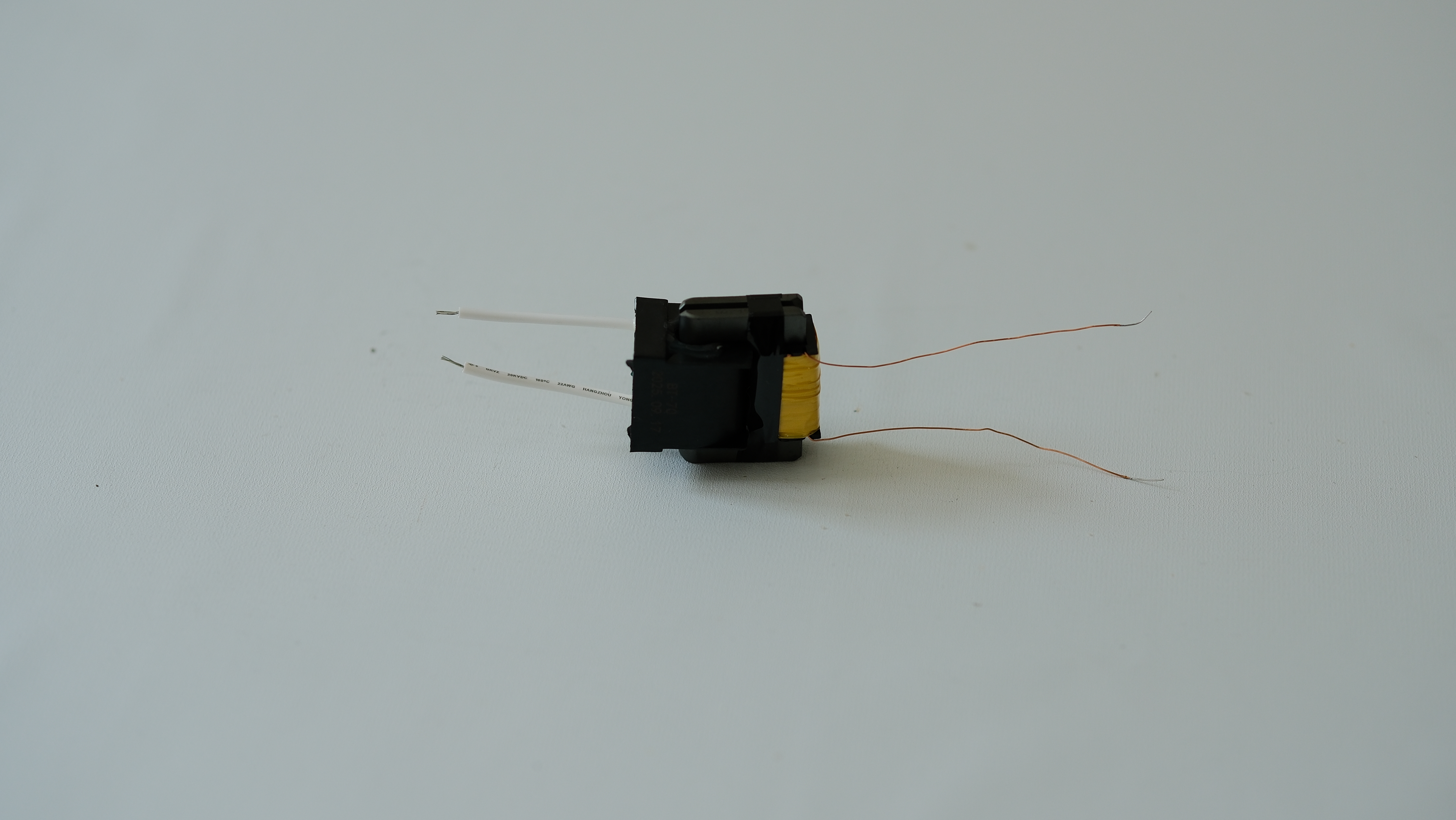
Current ozone generator innovations focus on three primary areas: energy efficiency optimization, advanced control mechanisms, and material science breakthroughs. These developments reflect the industry's commitment to delivering reliable ozone generator systems that meet stringent performance standards while reducing operational costs and environmental impact. The convergence of digital technology, improved manufacturing processes, and better understanding of ozone chemistry has fundamentally transformed how modern ozone generator equipment operates and integrates into complex industrial workflows.
Advanced Control and Monitoring Systems in Modern Ozone Generator Technology
Digital Integration and Real-Time Optimization
The most significant advancement in contemporary ozone generator design involves sophisticated digital control systems that provide unprecedented operational precision. Modern ozone generator units now feature integrated sensors, automated feedback loops, and artificial intelligence-driven optimization algorithms that continuously adjust performance parameters in real-time. These smart ozone generator systems can monitor feed gas conditions, ambient temperature, humidity levels, and output concentration simultaneously, then automatically recalibrate to maintain optimal ozone generator efficiency across varying operational conditions.
Advanced ozone generator platforms now communicate through industrial Internet of Things protocols, enabling remote monitoring and predictive maintenance capabilities. Operators can access comprehensive data dashboards displaying ozone generator performance metrics, energy consumption patterns, and maintenance alerts from any location. This transformation in ozone generator management reduces downtime, prevents equipment failures, and ensures consistent ozone production quality that meets exact application requirements without manual intervention.
Machine Learning and Predictive Analytics
Contemporary ozone generator systems increasingly incorporate machine learning algorithms that learn operational patterns and predict maintenance requirements before failures occur. These intelligent ozone generator platforms analyze historical performance data to identify efficiency trends, recommend parameter adjustments, and forecast component wear progression. The result is a proactive approach to ozone generator maintenance that significantly extends equipment lifespan while maintaining peak operational efficiency throughout the service period.
Predictive analytics in modern ozone generator equipment also enable demand forecasting, allowing facilities to adjust ozone generator operation schedules based on anticipated treatment requirements. This capability proves particularly valuable in water treatment applications where contamination levels fluctuate seasonally or in response to source water quality variations.
Energy Efficiency and Power Consumption Innovations in Ozone Generator Design
Advanced Electrode Materials and Corona Discharge Optimization
The latest ozone generator breakthroughs feature dramatically improved electrode materials engineered to enhance corona discharge efficiency and reduce electrical power consumption. Newer ozone generator designs utilize specialized ceramic coatings, optimized electrode geometries, and improved dielectric materials that facilitate more efficient electrical energy conversion into ozone production. These innovations directly address the traditionally high energy demands associated with ozone generator systems, reducing operational costs while maintaining or exceeding production output levels.
Contemporary ozone generator technology incorporates variable frequency drive motors and precise power supply regulation that eliminate energy waste during partial-load operation. Modern ozone generator equipment can automatically scale electrical input to match actual treatment demand, ensuring efficient ozone generator operation throughout the operational day rather than running at constant capacity regardless of current requirements.
Thermal Management and Cooling System Advances
Effective thermal management represents a critical aspect of efficient ozone generator design, as excessive heat generation directly reduces corona discharge efficiency and equipment lifespan. The latest ozone generator systems feature advanced cooling mechanisms including micro-channel heat exchangers, improved dielectric fluid circulation, and temperature-controlled environments that maintain optimal operating temperatures. These innovations in ozone generator thermal management significantly improve energy efficiency while enhancing component reliability and operational longevity.
Water-cooled ozone generator configurations now incorporate closed-loop systems with energy recovery capabilities, where waste heat from ozone generator operation can heat incoming feed gas or building spaces. This innovative approach to ozone generator thermal management transforms what was previously energy waste into a productive resource, reducing overall facility energy consumption.
Material Science and Construction Improvements in Contemporary Ozone Generator Systems
Corrosion-Resistant Materials and Component Durability
Recent developments in ozone generator material selection focus on components that withstand the harsh chemical and electrical environment present within active ozone generator chambers. Modern ozone generator construction utilizes advanced polymers, specialized stainless steel alloys, and novel composite materials that resist ozone attack, electrical stress, and thermal cycling far more effectively than conventional materials. These material innovations directly extend ozone generator operational lifespan, reduce maintenance requirements, and improve reliability in demanding industrial environments.
Contemporary ozone generator designs incorporate surface treatments and protective coatings that enhance component resistance to corrosion and degradation. These advances in ozone generator material science have proven particularly valuable in water treatment applications where pH extremes, mineral content, and dissolved contaminants previously accelerated component degradation in traditional ozone generator equipment.
Modular Architecture and Scalability Features
The latest ozone generator designs embrace modular construction principles that enable flexible system expansion and simplified maintenance procedures. Modern ozone generator equipment features interchangeable cell modules, standardized interfaces, and plug-and-play component connections that allow operators to scale production capacity without replacing entire systems. This modular approach to ozone generator design dramatically reduces capital expenditure for capacity expansions and simplifies the replacement of worn components without requiring facility downtime.
Standardized ozone generator modules also facilitate rapid troubleshooting and component replacement, enabling technicians to restore full operational capacity in minutes rather than hours. The ozone generator industry has increasingly adopted these scalable designs to meet diverse customer needs across applications ranging from small-scale laboratory use to massive industrial water treatment facilities.
FAQ
What specific advantages do modern ozone generator systems offer over conventional models?
Contemporary ozone generator equipment delivers superior energy efficiency through optimized electrode designs and advanced thermal management, typically reducing power consumption by twenty to forty percent compared to conventional models. Modern ozone generator systems also incorporate digital monitoring and predictive maintenance capabilities that minimize downtime and extend equipment lifespan significantly. Additionally, latest-generation ozone generator units produce more consistent output quality, require fewer manual adjustments, and integrate seamlessly into automated facility management systems.
How do smart control systems improve ozone generator performance in industrial applications?
Intelligent ozone generator control systems continuously monitor operational parameters and automatically adjust settings to maintain optimal performance regardless of fluctuating operating conditions. These advanced ozone generator platforms enable precise output concentration control, automated emergency responses to equipment anomalies, and data-driven optimization that improves both efficiency and product consistency. Remote monitoring capabilities of modern ozone generator systems allow facility managers to oversee operations from anywhere, respond rapidly to issues, and schedule preventive maintenance proactively.
What materials and construction techniques distinguish the latest ozone generator designs from earlier versions?
Modern ozone generator equipment employs advanced corrosion-resistant polymers, specialized alloys, and protective surface coatings that dramatically extend operational lifespan in harsh chemical environments. Contemporary ozone generator construction also emphasizes modular architecture with interchangeable components, enabling rapid maintenance and flexible capacity scaling. These material innovations and design improvements mean today's ozone generator systems maintain consistent performance over extended periods while requiring significantly less maintenance than traditional equipment.