
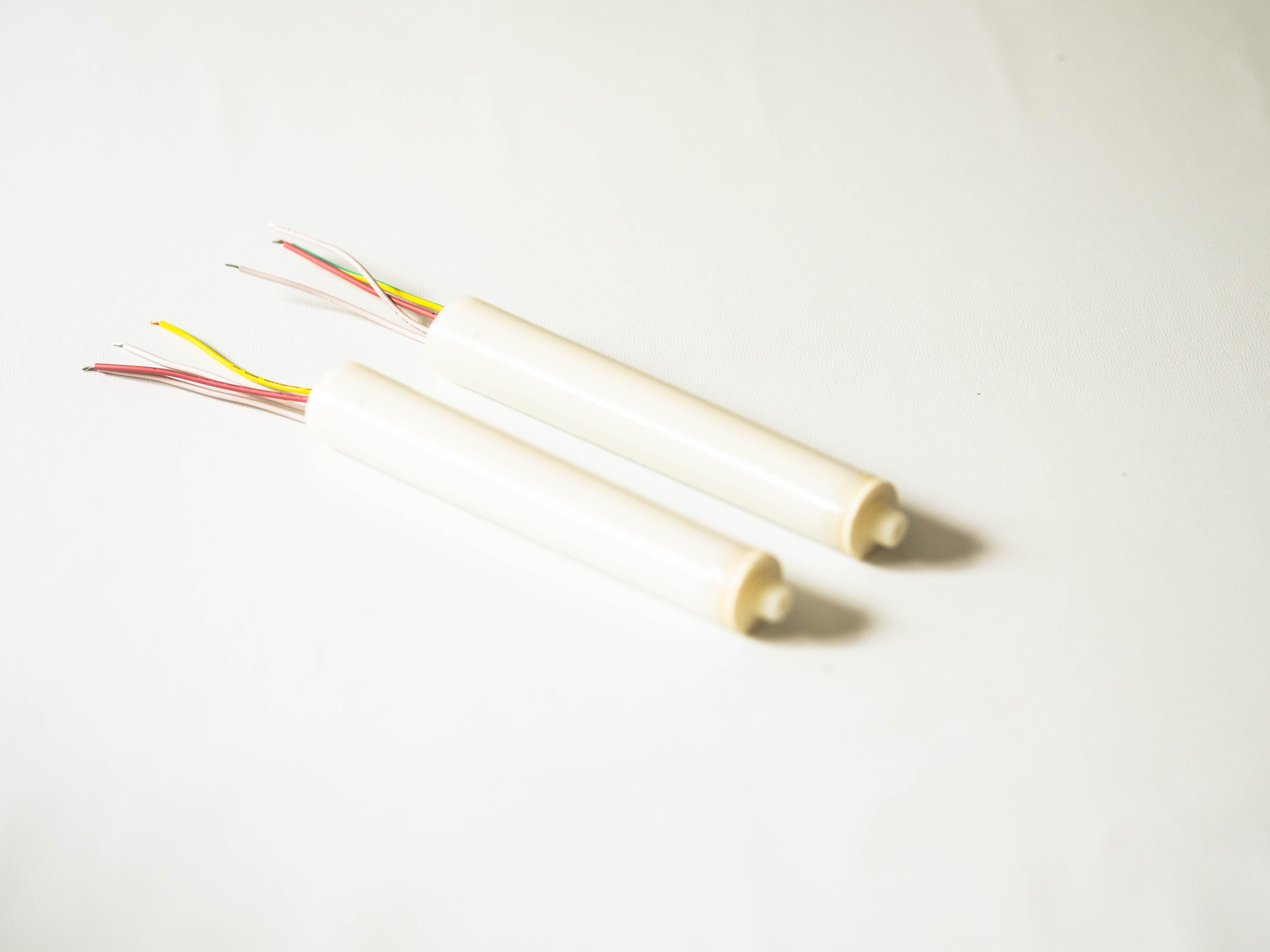
The role of power conversion in modern industrial operations cannot be overstated, and selecting the right equipment makes a substantial difference in operational success. A high voltage module designed for low power applications represents a significant advancement in electrical engineering, offering organizations the ability to manage voltage conversion tasks with unprecedented efficiency and reliability. Understanding the advantages of these specialized systems helps facility managers, engineers, and procurement teams make informed decisions that directly impact their bottom line and operational performance.
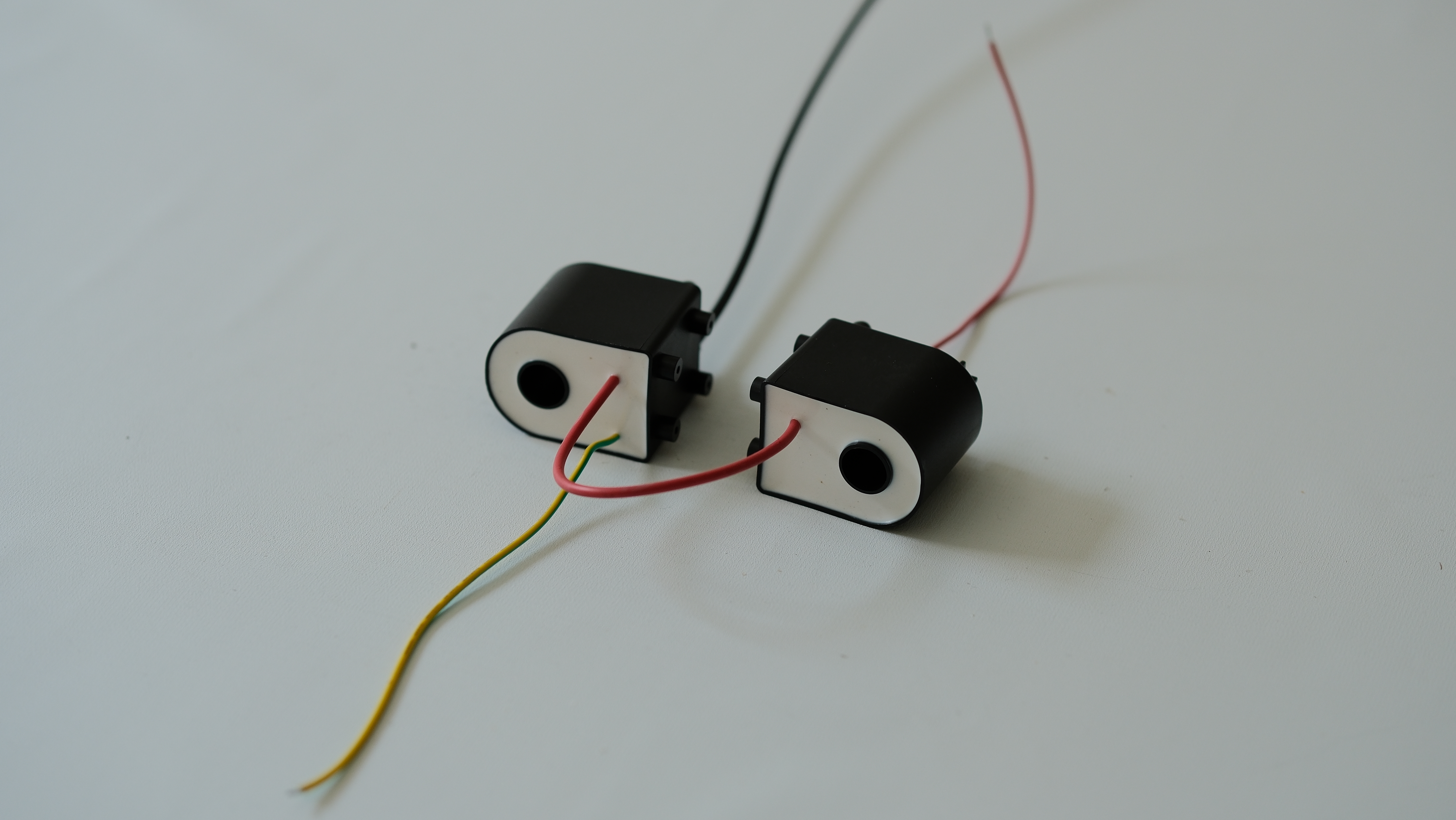
A high voltage module optimized for low power scenarios delivers specific engineering benefits that traditional transformer designs simply cannot match. These specialized devices combine cutting-edge materials, intelligent design principles, and proven manufacturing standards to create systems that excel in demanding industrial environments. The following sections detail the core advantages that make a high voltage module an essential choice for organizations seeking to optimize their electrical infrastructure.
Energy Efficiency and Reduced Operating Costs
Superior Power Conversion Performance
One of the primary advantages of a high voltage module lies in its exceptional energy efficiency during voltage conversion processes. Unlike conventional transformers that generate significant heat loss during operation, a modern high voltage module utilizes advanced core materials and winding techniques that minimize losses throughout the conversion cycle. This efficiency translates directly into lower electricity consumption, which reduces monthly utility bills and extends the lifespan of connected equipment by operating at optimal temperature ranges.
The economic impact of selecting an efficient high voltage module extends far beyond initial energy savings. When a high voltage module operates with minimal losses, the entire power distribution system experiences reduced thermal stress, which means less cooling infrastructure is required in industrial facilities. This secondary benefit creates compound savings that facility managers often overlook when evaluating transformer solutions, yet these operational efficiencies represent substantial long-term value.
Total Cost of Ownership Reduction
Evaluating the total cost of ownership requires viewing a high voltage module investment through a comprehensive financial lens. While the initial purchase price of a high-quality high voltage module may exceed budget-friendly alternatives, the operational savings, maintenance reductions, and extended service life create a favorable return on investment within the first two to three years of operation. Organizations that prioritize total cost of ownership consistently select high voltage module solutions that demonstrate superior efficiency metrics and reliability records.
Space Optimization and Compact Design Benefits
Reduced Physical Footprint
Industrial facilities operate under tight spatial constraints, making compact equipment design a critical competitive advantage in many applications. A high voltage module engineered for low power applications requires significantly less floor space than bulky traditional transformers, allowing organizations to maximize usable facility area for productive operations. This compact high voltage module design proves particularly valuable in retrofit scenarios where expanding the facility footprint is economically prohibitive or physically impossible.
The architectural flexibility provided by a space-efficient high voltage module extends beyond simple floor planning considerations. Installation crews can position a high voltage module in locations previously unsuitable for larger transformer equipment, including wall-mounted configurations, overhead installations, and integrated panel arrangements. This placement flexibility reduces infrastructure modification costs and accelerates project timelines substantially.
Improved Facility Layout and Accessibility
When a high voltage module occupies minimal physical space, maintenance personnel gain easier access to surrounding equipment and electrical infrastructure. A well-positioned high voltage module within an industrial installation simplifies routine inspections, preventive maintenance procedures, and emergency repairs that become necessary during equipment operation. Enhanced accessibility means technicians can complete maintenance tasks more quickly and safely, reducing production downtime and associated revenue losses.
Reliability and Advanced Protective Features
Enhanced Operational Stability
Modern high voltage module technology incorporates sophisticated protection mechanisms that safeguard connected equipment from voltage spikes, harmonic distortions, and other electrical anomalies common in industrial environments. A well-engineered high voltage module automatically responds to abnormal electrical conditions by isolating circuits, redistributing loads, or temporarily reducing output to protect downstream equipment. This proactive protection capability means that a high voltage module effectively becomes an intelligent electrical guardian within facility infrastructure.
The stability provided by a modern high voltage module installation dramatically reduces unplanned equipment failures and costly production interruptions. When sensitive manufacturing equipment receives consistent, clean power through a reliable high voltage module, product quality improves, machinery lifespan extends, and overall operational reliability increases measurably. Industries dependent on precision electronics and sensitive instrumentation particularly benefit from the stabilizing influence of a properly specified high voltage module.
Extended Service Life and Maintenance Requirements
A premium high voltage module designed with quality materials and intelligent engineering achieves service lifespans extending twenty years or longer in typical industrial applications. This exceptional longevity means organizations can amortize the high voltage module investment across decades of reliable operation, reducing the effective annual cost significantly. Furthermore, a well-maintained high voltage module requires minimal preventive maintenance compared to older transformer technologies, translating into lower ongoing labor and parts expenses.
FAQ
What makes a high voltage module different from standard power transformers?
A high voltage module is specifically engineered for low power voltage conversion tasks using advanced materials, intelligent thermal management, and compact design principles that distinguish it from conventional transformers. The high voltage module achieves superior efficiency metrics through optimized winding configurations and specialized core materials, delivering operational advantages that standard equipment cannot provide. These specialized characteristics make a high voltage module ideal for modern industrial applications where space, efficiency, and reliability converge as critical success factors.
How does a high voltage module improve industrial facility efficiency?
A high voltage module enhances facility efficiency through reduced energy losses during voltage conversion, minimized cooling requirements, extended equipment lifespan, and reduced maintenance demands. When a high voltage module operates within an industrial installation, the entire electrical system experiences improved performance and reduced operating costs. The cumulative efficiency gains from implementing a properly specified high voltage module create measurable improvements in overall facility energy consumption and operational productivity.
What industries benefit most from high voltage module technology?
Industries requiring precise voltage control, compact equipment designs, and high reliability standards derive substantial benefits from high voltage module installations. Manufacturing facilities, semiconductor production environments, medical equipment manufacturers, and aerospace operations particularly value the stability and efficiency that a modern high voltage module provides. Any organization prioritizing operational continuity, product quality, and long-term cost reduction should evaluate whether a high voltage module solution aligns with their specific electrical infrastructure requirements.