
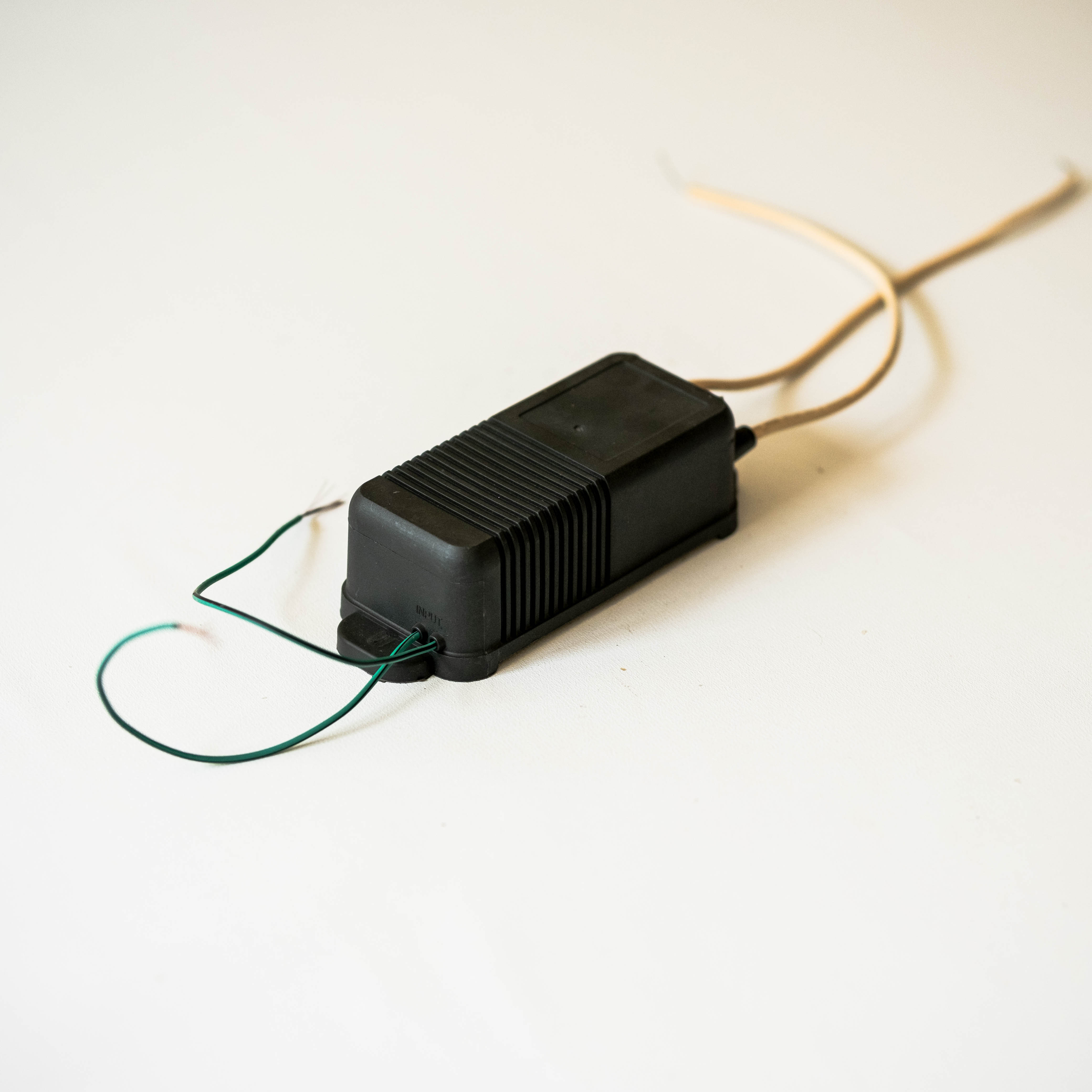
Industrial applications affect transformer performance by changing the electrical load, operating schedule, environmental exposure, and consequences of an interruption. A big ozone generator, for example, places high-voltage equipment in a process where stable operation matters; a big ozone generator also illustrates why the transformer must suit its actual electrical duty rather than a generic specification.
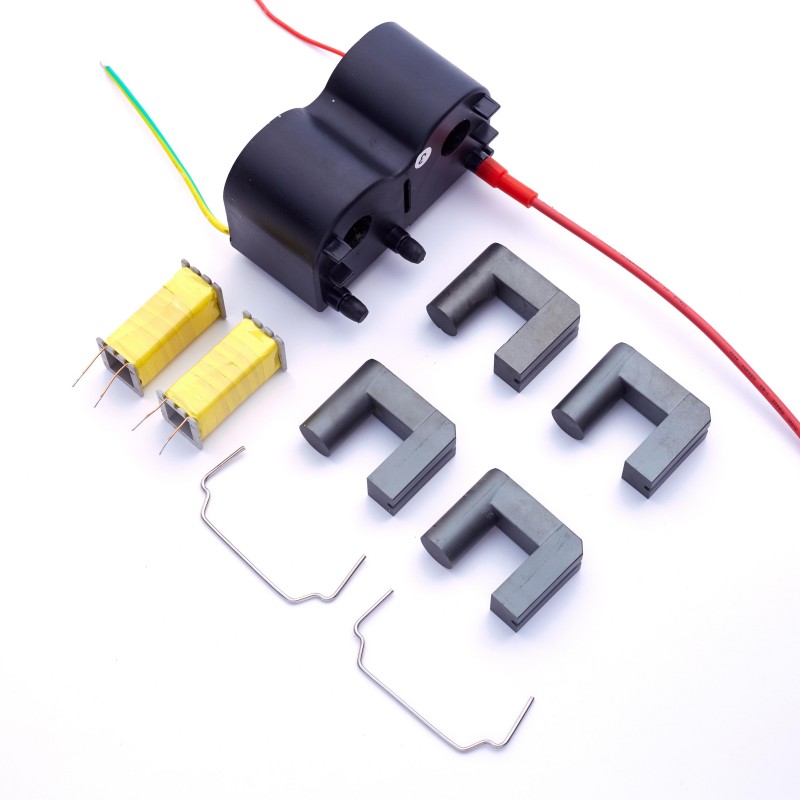
Understanding these differences helps engineers specify capacity, insulation, cooling, and protection with the application in view. A big ozone generator uses a distinct high-voltage process profile, while other plants may create frequent starts, fluctuating demand, or harsh ambient conditions. Comparing those operating realities clarifies how each application influences transformer performance and what information should be confirmed before equipment is selected.
How application load shapes electrical performance
Continuous and variable demand
A transformer supplying a steady industrial process experiences a different duty from one serving equipment that cycles or changes output. For a big ozone generator, the electrical load and operating pattern should be understood together; a big ozone generator installation may require the transformer to support sustained high-voltage operation. Load data, start-up behavior, and expected operating hours help define suitable capacity and avoid treating a nominal rating as the whole design.
Variable demand can increase thermal stress when current rises repeatedly, while an underspecified unit may have limited operating margin. Engineers assessing a big ozone generator should review the generator’s voltage and current requirements across its operating range. A big ozone generator process can also make interruptions consequential for production, so expected load changes and restart conditions belong in the duty description, not just the nameplate summary.
Voltage quality and switching behavior
Industrial loads differ in how they respond to voltage variation and switching. High-voltage equipment, including a big ozone generator, needs compatible electrical characteristics; a big ozone generator design therefore calls for checking the transformer output against the connected system. Switching frequency, control equipment, and cable arrangements can affect how the installation behaves, making coordination between electrical and process teams useful before final specifications are set.
A sound review considers voltage regulation, insulation coordination, and the effects of switching rather than relying only on power capacity. When a big ozone generator is the load, confirm its required input conditions and control sequence with the equipment documentation. The big ozone generator transformer arrangement should fit those conditions, and protection settings should be coordinated with the wider plant so normal operation does not cause avoidable trips.
How operating environments change transformer demands
Heat, ventilation, and contamination
Ambient temperature and ventilation influence how effectively a transformer can manage heat. A big ozone generator may operate in a process area with its own ventilation and environmental controls, so the transformer location matters; a big ozone generator installation should not be assessed separately from the room conditions. Dust, moisture, corrosive substances, and restricted airflow can also affect enclosure choices, inspection access, and maintenance planning.
Thermal performance depends on both electrical loading and heat removal. For a big ozone generator, confirm the expected room temperature, airflow, and duty duration instead of assuming standard indoor conditions. A big ozone generator system may share space with process equipment, so the layout should allow safe access and appropriate ventilation around electrical components. These details help teams specify equipment for the real environment and recognize conditions that need mitigation.
Vibration, location, and service access
Some industrial sites place transformers near pumps, compressors, production lines, or outdoor process equipment. If a big ozone generator sits in a compact treatment area, account for the electrical installation’s location and service clearances; a big ozone generator room can have access limits that affect inspection. Vibration, nearby heat sources, and exposure to weather are practical inputs to the installation plan, not minor details to resolve after commissioning.
Access for inspection supports timely maintenance and safe isolation. A big ozone generator project should identify who will inspect the transformer and how personnel will reach it without disrupting the process. The big ozone generator layout should also leave room for cables, ventilation, and any required safety measures. Clear access makes routine checks more practical, while a cramped installation can complicate fault investigation and planned service work.
How to translate application needs into a specification
Define duty before selecting capacity
A useful specification starts with process requirements: supply voltage, required output, load range, operating hours, start-up sequence, and acceptable interruptions. For a big ozone generator, these inputs connect the process duty to transformer requirements; a big ozone generator specification should be based on documented operating conditions. Include future operating changes where they are known, but distinguish confirmed needs from assumptions so that capacity choices remain traceable.
Next, coordinate electrical, mechanical, and operations teams on installation conditions and protection. A big ozone generator may have control requirements that affect how the transformer is integrated, so confirm interfaces with the equipment documentation. The big ozone generator supply should also be reviewed for grounding, isolation, and protection coordination. This sequence reduces gaps between a process description and the electrical details needed for procurement and commissioning.
Verify performance during commissioning
Commissioning should confirm that installed equipment matches approved drawings and that protection, connections, and operating controls have been checked. When a big ozone generator is connected, verify its specified electrical conditions under the intended operating sequence; a big ozone generator should not be treated as proven by an unloaded check alone. Record relevant measurements and observations so the baseline reflects actual site operation.
After start-up, compare observed behavior with the design assumptions, including load, temperature, and any unusual switching response. A big ozone generator installation benefits from an agreed process for reporting changes or recurring trips. The big ozone generator duty may evolve as production needs change, so periodic review of operating records can reveal when engineering assessment is warranted. This keeps transformer decisions linked to real application conditions.
FAQ
Why does application type affect transformer performance?
Applications impose different loads, schedules, and environmental conditions. A big ozone generator brings high-voltage process requirements into the assessment, and a big ozone generator installation needs transformer specifications aligned with those requirements.
What information should be gathered for a big ozone generator transformer?
Confirm voltage, current, load range, duty cycle, start-up sequence, environment, and protection interfaces. For a big ozone generator, use equipment documentation and site conditions together; a big ozone generator specification should reflect both.
Can operating changes affect an installed transformer?
Yes. Changes in load, hours, or process conditions can alter the demands placed on equipment. If a big ozone generator duty changes, reassess the application; a big ozone generator operating review can help identify whether updated engineering checks are needed.