
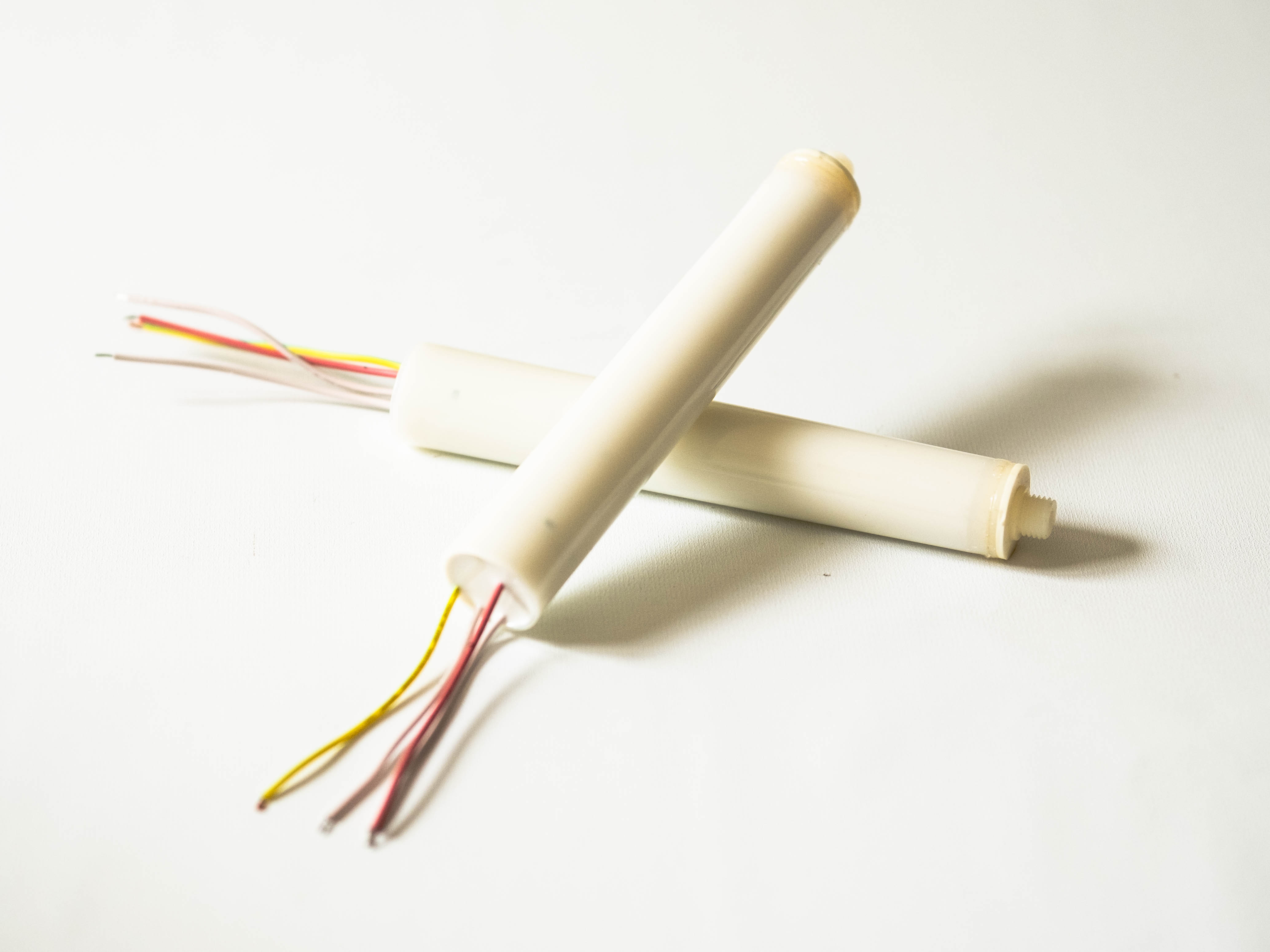
A high voltage module can improve energy efficiency and system stability when it is properly matched to an electrostatic spraying process. It supplies the electrical potential needed to charge coating particles, while its control behavior influences how consistently the spray operates. The high voltage module is not an efficiency fix by itself; its value comes from delivering the required output without avoidable electrical or operational losses.

For plant engineers, the practical question is how a high voltage module supports both lower waste and dependable operation. The answer depends on application requirements, electrical compatibility, and process control. A suitable high voltage module can help maintain a repeatable spray field, reduce instability-related interruptions, and make energy use easier to manage across production shifts.
How efficient output reduces avoidable energy use
Match electrical output to the process
A high voltage module contributes to efficiency when its output matches the coating task rather than exceeding what the process needs. In electrostatic spraying, the electrical field helps attract charged coating material to the workpiece. If the high voltage module is selected around the gun, coating, distance, and operating conditions, the system can provide useful charging without needless electrical demand.
Excessive or poorly controlled output does not automatically improve transfer. A high voltage module should instead support the operating range defined through equipment specifications and process trials. When the setting is appropriate, operators can seek consistent deposition while avoiding overspray, rework, and wasted coating. Those material savings are process benefits, not a promise that the electrical component alone will lower total plant consumption.
Keep losses and process waste visible
Energy efficiency also depends on the condition of connections, cables, insulation, and grounding. A high voltage module working with damaged insulation or unsuitable connections may not deliver stable performance. Scheduled inspection helps identify leakage paths, contamination, loose connections, or heat-related concerns before they affect production. These checks allow maintenance teams to distinguish component issues from problems elsewhere in the spray system.
A high voltage module can support more efficient production indirectly by helping the process remain consistent. When charging varies, operators may compensate by changing settings, slowing the line, or repeating work. Tracking rejected parts, coating usage, line speed, and downtime alongside electrical readings gives teams a fuller view. This evidence helps determine whether adjustments to the module or other process variables are justified.
How stable operation supports production continuity
Provide consistent electrical conditions
System stability means more than an output value that looks steady during a brief check. A high voltage module must operate reliably as spray demand, workpiece geometry, and production conditions change. Stable electrical behavior helps the spray equipment maintain predictable charging, which can make coating application more repeatable. It also gives operators a clearer baseline for recognizing when a real process deviation occurs.
The high voltage module should be assessed as part of the complete electrical and control arrangement. Compatibility with the spray gun, control signals, insulation design, and installation environment matters. If the module response does not suit the connected equipment, output may fluctuate or protection features may interrupt operation. Reviewing the interface before commissioning can prevent avoidable troubleshooting after a production line is already in use.
Reduce interruptions through suitable protection
A high voltage module with appropriate protection and operating limits can help the system respond safely to abnormal conditions. The relevant safeguards depend on the equipment design and should be confirmed in technical documentation. Protection cannot eliminate every fault, but it can help limit exposure to conditions such as overload, arcing, or unstable connections when those functions are included and correctly applied.
For stability, installation quality is as important as the high voltage module selection. Follow the specified grounding, cable routing, spacing, and environmental requirements, and keep the assembly clean and dry where the design requires it. If the system trips repeatedly, avoid simply resetting it and increasing output. Investigate the underlying cause, document the conditions, and involve qualified maintenance personnel.
How to apply the module for dependable results
Specify, install, and commission with evidence
Start by defining the application: required voltage range, current demand, duty cycle, connected spray equipment, and relevant safety constraints. A high voltage module must be compatible with these requirements and the existing controls. Confirm the operating environment and mounting conditions as well. Clear specifications reduce the risk of selecting a unit that meets a headline electrical rating but does not fit the real process.
During commissioning, establish a documented baseline for output, coating quality, material use, and line behavior. Adjust the high voltage module within approved limits, changing one process variable at a time where practical. This makes cause and effect easier to evaluate. Record the settings that produce acceptable results, along with the workpiece and coating conditions, so future shifts can repeat the process with less guesswork.
Maintain performance over the operating life
Routine maintenance keeps the high voltage module and its supporting components within intended operating conditions. Use the inspection intervals and procedures specified for the equipment, including checks of connections, cables, grounding, ventilation, and contamination where applicable. Maintenance should be performed by trained personnel using suitable isolation and safety practices because high voltage systems can present serious hazards even after normal operation stops.
Review operating data when efficiency or stability changes. Rising rework, inconsistent coating, unexpected trips, or altered energy use may point to a process change, a maintenance need, or a component mismatch. The high voltage module is one possible cause, not the default diagnosis. Compare current conditions with the commissioning baseline and examine the complete system before replacing parts or changing settings.
FAQ
Can a high voltage module reduce coating waste?
A high voltage module can help support controlled electrostatic charging, which may contribute to more consistent deposition when the full spray process is properly configured. Actual coating use also depends on gun setup, operator practice, coating properties, workpiece shape, and booth conditions. Track material consumption and reject rates to verify whether a process change produces a meaningful improvement.
What affects the stability of a high voltage module?
Compatibility, installation, grounding, insulation condition, temperature, contamination, and the connected equipment can all affect stability. A high voltage module should be operated within its documented limits and checked as part of the complete system. Repeated trips or fluctuating output call for diagnosis rather than unverified setting changes, especially where safety protection may be responding to a fault.
How should teams evaluate a high voltage module?
Compare the module specifications with the application’s electrical demands, controls, operating environment, and safety requirements. Then validate performance during commissioning using stable process measures such as coating consistency, downtime, reject rates, and material use. A high voltage module is a suitable choice when documented compatibility and observed operation support the production goals without compromising safe practices.