
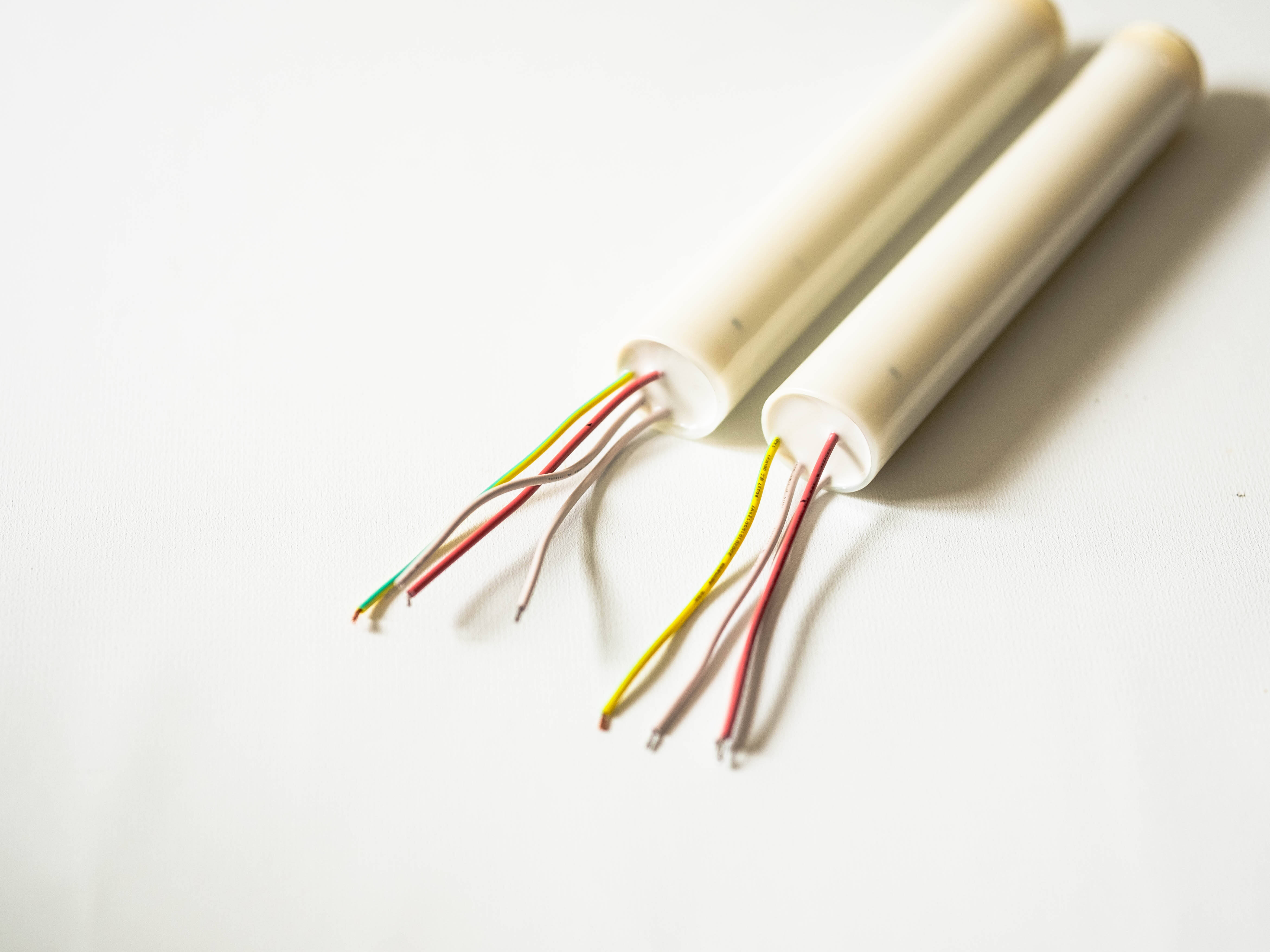
Modern industrial applications increasingly demand sophisticated power management solutions that can deliver reliable performance while maintaining optimal energy efficiency. A high voltage module represents a critical component in achieving these dual objectives, serving as the backbone for numerous electrical systems across manufacturing, automation, and specialized equipment sectors. These advanced power conversion devices have revolutionized how industries approach energy management, offering unprecedented control over voltage regulation and system stability. The integration of high voltage modules into industrial infrastructure has become essential for organizations seeking to reduce operational costs while enhancing overall system performance and reliability.

Understanding High Voltage Module Technology
Core Components and Architecture
The fundamental architecture of a high voltage module encompasses several critical components working in harmonious synchronization to achieve optimal power conversion efficiency. At its core, the high voltage module incorporates advanced semiconductor devices, precision transformers, and sophisticated control circuitry designed to handle elevated voltage levels while maintaining strict safety standards. These components undergo rigorous engineering processes to ensure they can withstand the demanding operational conditions typical in industrial environments. The modular design philosophy enables scalable implementation across various applications, allowing engineers to customize power solutions according to specific voltage and current requirements.
Advanced isolation techniques form another cornerstone of high voltage module design, ensuring safe operation even under extreme electrical stress conditions. The incorporation of galvanic isolation barriers prevents unwanted current flow between input and output circuits, protecting sensitive downstream equipment from potential damage. Modern high voltage modules utilize cutting-edge materials and manufacturing processes that enhance thermal management capabilities, enabling sustained operation at elevated power levels without compromising performance or longevity. This technological advancement has made high voltage modules indispensable for applications requiring precise voltage control and exceptional reliability.
Operating Principles and Functionality
The operational methodology of a high voltage module revolves around sophisticated power conversion algorithms that optimize energy transfer efficiency while minimizing losses. These modules employ pulse-width modulation techniques and advanced switching topologies to achieve high conversion efficiency rates, often exceeding 95% under optimal operating conditions. The control systems within each high voltage module continuously monitor input and output parameters, making real-time adjustments to maintain stable output voltage regardless of load variations or input fluctuations. This dynamic response capability ensures consistent performance across diverse operating scenarios, making these modules suitable for critical applications where voltage stability is paramount.
Feedback control mechanisms integrated into high voltage modules provide exceptional regulation accuracy, typically maintaining output voltage within narrow tolerance bands even under challenging operating conditions. The sophisticated control algorithms analyze multiple parameters simultaneously, including temperature, current draw, and voltage levels, to optimize performance continuously. This comprehensive monitoring approach enables predictive maintenance capabilities, allowing operators to identify potential issues before they impact system performance. The result is enhanced system reliability and reduced downtime, contributing significantly to overall operational efficiency and cost-effectiveness.
Energy Efficiency Benefits and Optimization
Power Conversion Efficiency Enhancements
The implementation of high voltage modules delivers substantial improvements in power conversion efficiency compared to traditional linear power supplies or older switching technologies. These advanced modules achieve superior efficiency through the utilization of state-of-the-art semiconductor technologies, including silicon carbide and gallium nitride devices that exhibit lower switching losses and reduced conduction resistance. The enhanced efficiency translates directly into reduced heat generation, lower cooling requirements, and decreased energy consumption, resulting in significant operational cost savings over the equipment lifecycle. Industrial facilities implementing high voltage modules typically report energy cost reductions ranging from 15% to 30% compared to conventional power conversion solutions.
The efficiency gains achieved through high voltage module implementation extend beyond simple power conversion improvements to encompass system-wide optimization opportunities. These modules enable precise load matching and dynamic power allocation, ensuring that electrical systems operate within optimal efficiency zones regardless of varying demand patterns. The ability to maintain high efficiency across wide load ranges makes high voltage modules particularly valuable in applications with variable power requirements, such as motor drives, heating systems, and electrostatic equipment. This flexibility allows organizations to optimize their energy consumption profiles while maintaining consistent performance standards.
Thermal Management and Energy Conservation
Effective thermal management represents a critical aspect of high voltage module design that directly impacts both energy efficiency and system longevity. These modules incorporate advanced heat dissipation techniques, including optimized PCB layouts, thermal interface materials, and integrated cooling solutions that minimize operating temperatures while maintaining compact form factors. The reduced thermal stress not only enhances component reliability but also contributes to improved efficiency by minimizing temperature-dependent losses. This thermal optimization approach enables high voltage modules to maintain consistent performance even in demanding environmental conditions, ensuring reliable operation across diverse industrial applications.
The energy conservation benefits of superior thermal management extend throughout the entire system infrastructure, reducing the burden on facility cooling systems and contributing to overall energy savings. By maintaining lower operating temperatures, high voltage modules reduce the thermal load on surrounding equipment and building HVAC systems, creating a cascading effect of energy efficiency improvements. This holistic approach to thermal management demonstrates how high voltage module technology contributes to comprehensive energy conservation strategies, supporting organizational sustainability goals while reducing operational expenses.
System Stability and Reliability Improvements
Voltage Regulation and Stability Control
The exceptional voltage regulation capabilities of high voltage modules provide critical stability improvements for sensitive industrial equipment and processes. These modules maintain output voltage within extremely tight tolerance bands, typically less than 1% deviation under normal operating conditions, ensuring that downstream equipment receives consistent and stable power regardless of input variations or load changes. The precision voltage control eliminates voltage-related equipment failures and performance degradation, contributing to enhanced system reliability and reduced maintenance requirements. This stability proves particularly valuable in applications involving sensitive electronic components, precision instrumentation, and critical process control systems.
Advanced control algorithms within high voltage modules provide rapid response to transient conditions, effectively suppressing voltage spikes and minimizing the impact of power system disturbances. The fast response characteristics enable these modules to maintain stable output conditions even during sudden load changes or input power fluctuations, protecting valuable equipment from potentially damaging voltage excursions. This protective capability extends equipment lifespan and reduces the risk of unexpected failures, contributing to improved overall system availability and reduced total cost of ownership.
Fault Protection and Safety Features
Comprehensive protection mechanisms integrated into high voltage modules provide multiple layers of safety and fault detection capabilities, significantly enhancing overall system reliability and operator safety. These protection systems include overvoltage protection, overcurrent limiting, thermal shutdown, and arc fault detection, creating a robust safety framework that prevents equipment damage and ensures personnel protection. The high voltage module continuously monitors operating parameters and automatically implements protective actions when abnormal conditions are detected, preventing minor issues from escalating into major system failures.
The sophisticated diagnostic capabilities built into modern high voltage modules provide valuable insights into system health and performance trends, enabling proactive maintenance strategies and early fault detection. These modules generate detailed operational data and alert notifications that help maintenance personnel identify potential issues before they impact system performance. The predictive maintenance capabilities reduce unplanned downtime and extend equipment lifespan, contributing to improved operational efficiency and cost-effectiveness. This comprehensive approach to system protection and monitoring demonstrates the critical role that high voltage modules play in maintaining stable and reliable industrial operations.
Industrial Applications and Implementation
Manufacturing and Process Industries
Manufacturing environments across diverse industries have embraced high voltage module technology to enhance production efficiency and equipment reliability. These modules find extensive application in motor drive systems, where they provide precise speed control and energy optimization for manufacturing equipment ranging from conveyor systems to precision machining tools. The ability to deliver stable, high-quality power ensures consistent manufacturing processes and reduces variability in product quality. Industries such as automotive, aerospace, and electronics manufacturing rely heavily on high voltage modules to maintain the exacting standards required for modern production processes.
Process industries, including chemical processing, pharmaceutical manufacturing, and food production, utilize high voltage modules to power critical equipment such as pumps, compressors, and heating systems. The exceptional reliability and safety features of these modules make them ideal for applications where process interruptions can result in significant financial losses or safety concerns. The precise control capabilities enable optimization of process parameters, leading to improved product quality and reduced waste generation. This combination of reliability, safety, and performance makes high voltage modules essential components in modern process industry infrastructure.
Specialized Equipment Applications
High voltage modules serve critical roles in specialized equipment applications where conventional power supplies cannot meet the demanding requirements for voltage stability, efficiency, and reliability. Electrostatic spraying systems, plasma generation equipment, and high-energy research instruments all depend on high voltage modules to provide the precise power characteristics necessary for optimal operation. These applications often require custom voltage and current profiles that only advanced high voltage modules can deliver while maintaining the safety and reliability standards required for industrial use.
The versatility of high voltage module designs enables their integration into diverse specialized applications, from medical equipment to scientific instrumentation and industrial automation systems. Each application benefits from the modules' ability to provide stable, efficient power conversion while maintaining compact form factors and robust construction suitable for industrial environments. The modular nature of these systems allows for scalable implementations that can grow with changing application requirements, providing long-term flexibility and investment protection for organizations implementing high voltage module technology.
Selection Criteria and Implementation Considerations
Technical Specifications and Performance Parameters
The selection of appropriate high voltage modules requires careful consideration of multiple technical parameters to ensure optimal performance and compatibility with existing systems. Key specifications include output voltage range, current capacity, efficiency ratings, regulation accuracy, and response time characteristics. Engineers must evaluate these parameters against application requirements to identify modules that provide the necessary performance while maintaining acceptable safety margins. The operating temperature range, humidity tolerance, and environmental protection ratings also play crucial roles in module selection, particularly for applications in challenging industrial environments.
Performance parameters such as ripple specifications, transient response, and stability characteristics directly impact the suitability of a high voltage module for specific applications. Applications requiring ultra-stable output voltage may necessitate modules with enhanced regulation circuits and low-noise designs, while high-power applications prioritize efficiency and thermal management capabilities. Understanding the relationship between these performance parameters and application requirements enables engineers to make informed decisions that optimize both system performance and cost-effectiveness.
Integration and System Compatibility
Successful integration of high voltage modules into existing systems requires comprehensive evaluation of electrical, mechanical, and thermal compatibility factors. The electrical interface must accommodate the module's input power requirements while providing appropriate control signals and monitoring capabilities. Mechanical integration considerations include mounting requirements, space constraints, and accessibility for maintenance operations. Thermal management becomes particularly critical in high-density installations where multiple high voltage modules operate in proximity, requiring careful attention to airflow patterns and heat dissipation strategies.
System compatibility extends beyond basic electrical and mechanical factors to encompass communication protocols, safety interlocks, and emergency shutdown procedures. Modern high voltage modules often include digital communication capabilities that enable integration with supervisory control systems and data acquisition networks. This connectivity allows for remote monitoring, automated fault diagnosis, and coordinated system control that enhances overall operational efficiency. Proper planning and consideration of these integration factors ensure successful implementation and optimal long-term performance of high voltage module installations.
FAQ
What are the primary advantages of using high voltage modules over traditional power supplies
High voltage modules offer significant advantages including superior energy efficiency, typically achieving 90-95% conversion efficiency compared to 70-80% for linear supplies. They provide excellent voltage regulation, compact form factors, and comprehensive protection features. The modular design enables easy scalability and maintenance, while advanced control capabilities offer precise output control and system integration options that traditional supplies cannot match.
How do high voltage modules contribute to overall system energy savings
High voltage modules contribute to energy savings through multiple mechanisms: high conversion efficiency reduces power consumption, superior thermal management decreases cooling requirements, and precise voltage control optimizes downstream equipment performance. These modules also enable dynamic power management and load optimization, resulting in comprehensive energy savings that typically range from 15-30% compared to conventional power conversion solutions.
What safety considerations are important when implementing high voltage modules
Key safety considerations include proper electrical isolation, adequate clearance distances, appropriate personal protective equipment, and comprehensive training for maintenance personnel. High voltage modules should include multiple protection features such as overvoltage protection, overcurrent limiting, and thermal shutdown. Proper grounding, safety interlocks, and emergency shutdown procedures are essential for safe operation and maintenance of high voltage module installations.
How do I determine the appropriate high voltage module specifications for my application
Specification determination requires analysis of output voltage and current requirements, input power characteristics, efficiency targets, and environmental conditions. Consider regulation accuracy needs, transient response requirements, and safety standards applicable to your industry. Evaluate thermal constraints, mechanical space limitations, and integration requirements with existing control systems. Consulting with application engineers and conducting pilot testing can help validate specification choices before full implementation.
Table of Contents
- Understanding High Voltage Module Technology
- Energy Efficiency Benefits and Optimization
- System Stability and Reliability Improvements
- Industrial Applications and Implementation
- Selection Criteria and Implementation Considerations
-
FAQ
- What are the primary advantages of using high voltage modules over traditional power supplies
- How do high voltage modules contribute to overall system energy savings
- What safety considerations are important when implementing high voltage modules
- How do I determine the appropriate high voltage module specifications for my application