
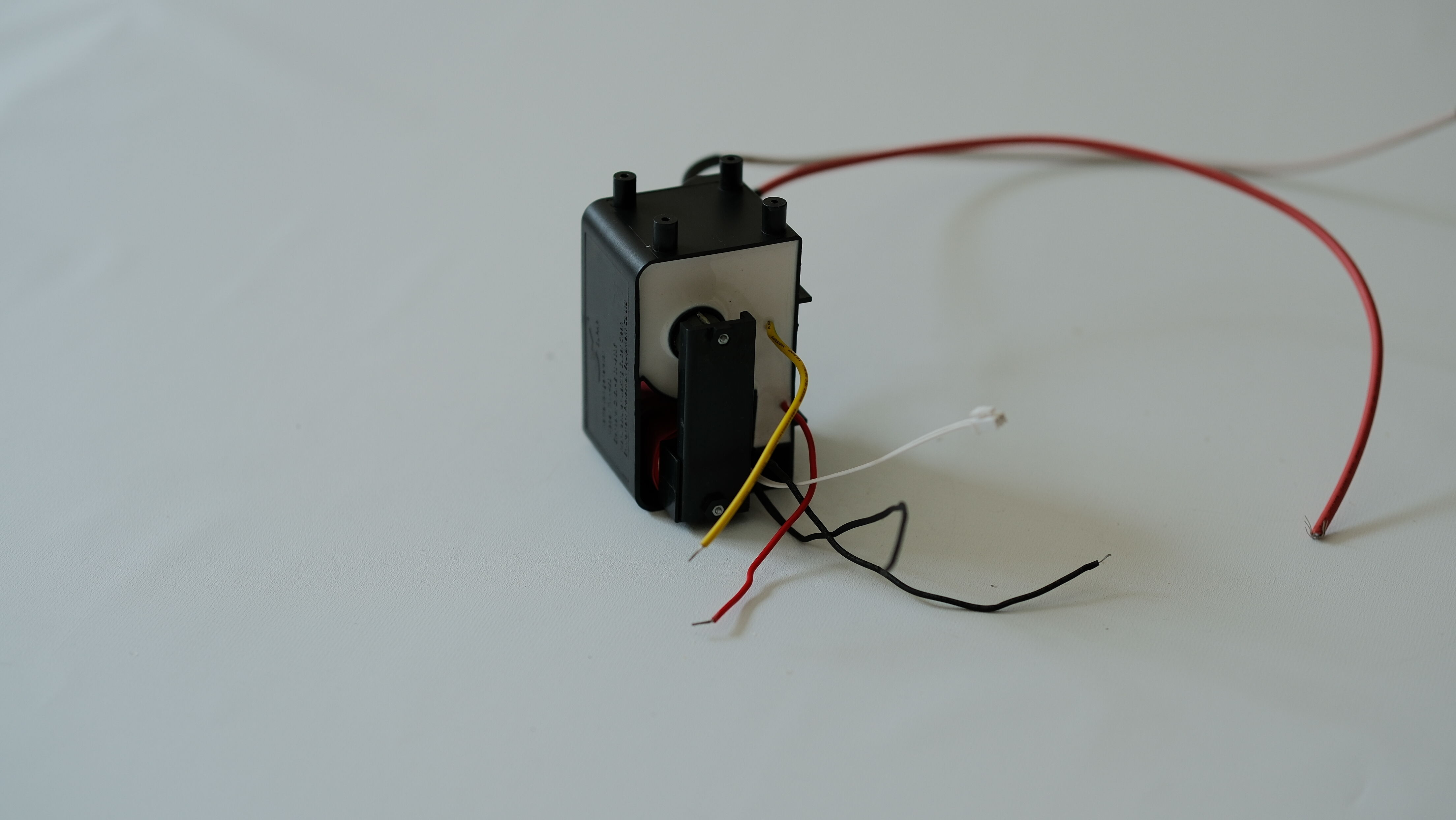
Elektrostatiese spuit het oppervlakafwerkingprosesse in talle industriële sektore geweldig verander en homself as 'n hoeksteen-tegnologie vir die bereiking van uitstekende bedekkingskwaliteit en doeltreffendheid gevestig. Hierdie gevorderde bedekkingsmetode maak gebruik van elektriese ladings om verfdeeltjies na geaarde oppervlakke te trek, wat eenvormige bedekking skep terwyl afval en omgewingsimpak tot 'n minimum beperk word. Die motor- en huistoestelligindustrieë het elektrostatiese spuit veral aanvaar as gevolg van sy uitstaande vermoë om konsekwente, hoë-kwaliteit afwerking te lewer wat voldoen aan streng volhoubaarheids- en estetiese vereistes.
Moderne vervaardiging vereis presiese bedekkingsaanwendings wat prestasie, koste-effektiwiteit en omgewingsverantwoordelikheid in balans bring. Tradisionele spuitverfmetodes lei dikwels tot beduidende materiaalverspilling, met oorskietkoersse wat in konvensionele toepassings 30–50% kan bereik. Elektrostatiese spuitwerk tree hierdie uitdagings aan deur elektromagnetiese kragte te gebruik om bedekkingsmateriaal presies op die teikenoppervlakke te rig, wat oordragdoeltreffendhede van meer as 95% onder optimale toestande bereik. Hierdie tegnologiese vooruitgang het verander hoe vervaardigers oppervlakafwerking benader, sodat hulle steeds strenger gehalte-standaarde kan nakom terwyl bedryfskoste en hul omgewingsvoetspoor verminder word.
Fundamentele beginsels van Elektrostatische spuiting Tegnologie
Elektriese Ladinggenerering en -beheer
Die grondslag van elektrostatiese spuitwerk lê in die skepping en manipulasie van elektriese ladings binne bedekkingsmateriale. Hoëspanningsgenerators produseer elektriese velde wat wissel van 30 000 tot 100 000 volt, wat 'n potensiaalverskil tussen die spuitpyp en die geaarde werkstuk skep. Wanneer bedekkingsmateriale deur hierdie elektriese veld beweeg, kry hulle 'n negatiewe lading en word elektromagneties na die positief geaarde substraat aangetrek. Hierdie fundamentele beginsel verseker dat verfdeeltjies voorspelbare banne na die teikenoppervlak volg, selfs om komplekse geometrieë wat met konvensionele spuitmetodes moeilik eenvormig bedek kan word, heen.
Gevorderde elektrostatiese spuitstelsels sluit gesofistikeerde spanningbeheermeganismes in wat elektriese parameters outomaties aanpas op grond van die eienskappe van die bedekkingsmateriaal en omgewingsomstandighede. Hierdie intelligente stelsels monitor faktore soos vogtigheid, temperatuur en materiaalgeleiding om die doeltreffendheid van ladingoordrag te optimaliseer. Die presiese beheer van elektriese ladings stel vervaardigers in staat om konsekwente bedekkingdikte oor onreëlmatige oppervlaktes te bereik terwyl die risiko van elektriese ontlaaiing of bedekkingsdefekte tot 'n minimum beperk word. 'n Begrip van hierdie elektriese beginsels is noodsaaklik vir operateurs wat die voordele van elektrostatiese spuitwerk in industriële toepassings wil maksimeer.
Materiaaloorvoer-meganismes
Die fisiese meganisme van materiaal-oordrag by elektrostatiese bespuiting behels komplekse interaksies tussen gelaaide deeltjies, elektromagnetiese velde en vloeistofdinamika. Terwyl bedekkingsmateriale die spuitmondstuk verlaat, ondergaan hulle atomisering terwyl hulle terselfdertyd elektriese ladings vanaf die hoëspanningsveld verkry. Die gelaaide deeltjies ondergaan beide elektromagnetiese aantrekking na die geaarde werkstuk en aërodinamiese kragte vanaf die spuitpatroon. Hierdie tweevoudige-kragstelsel skep 'n unieke bedekkingsafsettingsproses wat eenvormige bedekking op komplekse driedimensionele oppervlaktes kan bewerkstellig.
Die deeltjiegrootteverspreiding speel 'n kritieke rol in die effektiwiteit van elektrostatiese spuitwerk, met optimale deeltjiegroottes wat gewoonlik wissel van 20 tot 100 mikron. Kleiner deeltjies dra hoër lading-teen-massa-verhoudings, wat hulle meer reaktief maak teenoor elektromagnetiese kragte, maar moontlik ook meer vatbaar vir atmosferiese turbulensie. Groter deeltjies behou beter trajekstabiliteit, maar kan hoër spanningvlakke vereis om 'n toereikende laddigheidsdigtheid te bereik. Moderne elektrostatiese spuittoerusting sluit verstelbare verstuifbeheer in wat bedieners in staat stel om deeltjiekenmerke vir spesifieke versadigingsmateriale en toepassingsvereistes te optimaliseer.
Toepassings en voordele in die motorindustrie
Liggaamspaneelversadigingstelsels
Motorvervaardigers het elektrostatiese spuitwerk wyd vir liggaamspaneel-bekleedtoepassings aangeneem, waar bestendige afwerkingkwaliteit en duurzaamheid van die allergrootste belang is. Die ingewikkelde geometrieë van moderne voertuigontwerpe, insluitend gekurweerde panelle, ingesinkte areas en ingewikkelde stylkenmerke, stel beduidende uitdagings vir konvensionele verfmetodes. Elektrostatiese spuitwerk tree hier uitmuntend op deur elektromagnetiese omhul-effekte te gebruik wat 'n eenvormige bekledingsdekking in moeilik-toeganklike areas verseker. Hierdie vermoë is veral waardevol vir die bekleding van wieelkaste, deurkante en ander ingesinkte oppervlaktes wat andersins verskeie spuitdeurgange of handmatige nabywerk sou vereis.
Die motorbedryf se streng gehaltevereistes vereis bekledingsstelsels wat konsekwente film-dikte, kleurpotlooding en oppervlakgladheid oor groot produksievolume kan lewer. Elektrostatische spuiting stelsels voldoen aan hierdie vereistes deur presiese beheer oor materiaalafsetting te verskaf en die variasie in bedekkingdikte tot minder as 5 mikron oor behandelde oppervlaktes te verminder. Hierdie vlak van konsekwentheid is noodsaaklik om kleuregtheid te handhaaf en bedekkingsdefekte te voorkom wat die voertuig se voorkoms of korrosiebestandheid kan benadeel. Gevorderde motorafweringslyne sluit veelstadium-elektrostatiese spuitprosesse in wat grondlaag-, basislaag- en deurskynende laag met uitstaande presisie en herhaalbaarheid toepas.
Beskerming van motorkomponente
Motordelen vereis gespesialiseerde bedekkingsaanwendings wat beskerming bied teen ekstreme temperature, chemiese blootstelling en meganiese slytasie. Elektrostatiese spuitwerk het die verkose metode geword vir die aanbring van beskermende bedekkings op motorblokke, silinderkoppe, uitlaatkollekteurs en ander kritieke komponente. Die presiese materiaalplaasvermoëns van elektrostatiese spuitwerk verseker volledige bedekking van ingewikkelde interne deurgange en verkoelingskanale wat noodsaaklik is vir behoorlike motorbedryf. Hierdie omvattende beskerming help om die lewensduur van komponente te verleng en motorprestasie te verbeter onder veeleisende bedryfsomstandighede.
Termiese barrièrlaagte wat deur elektrostatiese spuitwerk aangebring word, verskaf noodsaaklike beskerming vir hoë-temperatuur-motorkomponente en stel moderne motore in staat om by hoër doeltreffendheidsvlakke te werk sonder dat betroubaarheid gekompromitteer word. Hierdie gespesialiseerde laagte moet met uiters groot eenvormigheid aangebring word om termiese spanningstoeptredings te voorkom wat tot komponentmislukking kan lei. Elektrostatiese spuitsisteme bereik die vereiste presisie deur konsekwente deeltjiesnelheid en afsettingspatrone oor die hele komponentoppervlak te handhaaf. Die verminderde oorskieteienskappe van elektrostatiese spuitwerk verminder ook die wegwerp van laagmateriaal wanneer daar met duur termiese barrièrmateriale gewerk word, wat die proses ekonomies lewensvatbaar maak vir hoë-volumeproduksie.
TUIS Toepassing in die Toestelbedryf
Finale afwerking van kombuistoestelle
Die huishoudelike toestelbedryf vertrou sterk op elektrostatiese spuitwerk om die premium-afwerking te bereik wat verbruikers van moderne kombuistoestelle verwag. Yskaste, skottelwassers, kookstelle en ander groot toestelle vereis bedekkings wat beide estetiese aantreklikheid en funksionele beskerming teen vog, hitte en daaglikse gebruik bied. Elektrostatiese spuitwerk stel vervaardigers in staat om eenvormige bedekkings op groot toestelpanele toe te pas terwyl konsekwente kleur- en glanskenmerke oor die hele oppervlak behou word. Hierdie konsekwentheid is veral belangrik vir roesvrystaal-voorkomsafwerking en ander premium-voorkoms wat hoër markpryse vra.
Moderne kombuistoestelle besit toenemend komplekse ontwerpe met verskeie oppervlakteksture, uitgestanste patrone en geïntegreerde komponente wat tradisionele bedekkingsmetodes uitdaag. Elektrostatiese spuitbedekking tree hierdie uitdagings aan deur aan oppervlakonreëlmatighede aan te pas en eenvormige bedekking oor verskillende substraatmateriale te verskaf. Die omhulsel-eienskappe van elektrostatiese spuitbedekking verseker dat rande, hoeke en ingesakte areas toereikende bedekkingsbeskerming ontvang, wat korrosie voorkom en die voorkoms gedurende die toestel se dienslewe behou. Gevorderde toestelvervaardigers het robotiese elektrostatiese spuitbedekkingstelsels geïntegreer wat outomaties die spuitpatrone en -parameters kan aanpas op grond van komponentgeometrie en bedekkingsvereistes.
Produksie van Klein Toestelle
Die vervaardiging van klein toestelle bied unieke uitdagings vir bedekkings-toepassings as gevolg van hoë produksievolume, verskeie produkgeometrieë en koste-sensitiviteit. Elektrostatiese spuitwerk het bewys dat dit veral effektief is vir die bedekking van items soos broodroosters, koffiemasjiene, blendermasjiene en ander aan-tellertop-toestelle wat duursame, aantreklike afwerings vereis. Die hoë oordragdoeltreffendheid van elektrostatiese spuitwerk verminder materiaalkoste terwyl dit vinniger produksiesiklusse moontlik maak in vergelyking met konvensionele spuitmetodes. Hierdie doeltreffendheidsvoordeel is noodsaaklik om mededingend te bly in die prys-sensitiewe mark vir klein toestelle.
Die veelzijdigheid van elektrostatiese spuitstelsels laat klein-toestelvervaardigers toe om vinnig tussen verskillende bedekkingsmateriale en kleure te wissel om aan verskeie produklyne te voldoen. Geoutomatiseerde kleurwisselstelsels wat met elektrostatiese spuittoerusting geïntegreer is, kan binne minute tussen verskillende bedekkingsformulerings oorskakel, wat stilstandtyd tot 'n minimum beperk en afval wat met stelselreiniging verband hou, verminder. Hierdie aanpasbaarheid is noodsaaklik vir vervaardigers wat verskeie produkvariantes of seisoenale kleurskemas produseer. Die konsekwente afwerkingkwaliteit wat deur elektrostatiese spuitwerk bereik word, verminder ook die behoefte aan gehalte-inspeksie en herwerk, wat verdere verbetering van die vervaardigingsdoeltreffendheid en kostebeheer bewerkstellig.
Prosesoptimering en Kwaliteitsbeheer
Uitrustingkalibrasie en onderhoud
Die bereiking van optimale resultate met elektrostatiese spuitwerk vereis sistematiese toestelkalibrasie en voorkomende onderhoudprogramme. Hoëspanningsgenerators moet gereeld getoets en gekalibreer word om 'n konsekwente elektriese uitset oor die gespesifiseerde bedryfsbereik te verseker. Elektrodes van spuitpistole moet periodiek skoongemaak en vervang word om die behoorlike ladingoordrageienskappe te handhaaf, terwyl lugkappies en vloeistofmondstukke gereeld vir slytasie of verstopping geïnspekteer moet word. Omgewingsmonitoringstelsels moet temperatuur, humiditeit en lugkwaliteitsparameters wat elektrostatiese spuitwerkprestasie kan beïnvloed, voortdurend volg.
Moderne elektrostatiese spuitstelsels sluit diagnostiese vermoëns in wat outomaties toestelprestasie monitor en operateurs waarsku vir moontlike probleme voordat dit die bedekkingskwaliteit beïnvloed. Hierdie voorspellende onderhoudstelsels volg parameters soos spanningstabiliteit, stroomtrekking, materiaalvloei-tempo's en spuitpatroonkonsekwentheid. Deur tendense in toestelprestasie te identifiseer, kan onderhoudspersoneel herstel- en vervangingswerk tydens beplande stilstand tyd reël eerder as om op onverwagte foute te reageer. Hierdie proaktiewe benadering minimiseer produksieonderbrekings terwyl dit konsekwente bedekkingskwaliteit gedurende die vervaardigingsproses handhaaf.
Kwaliteitversekeringsprotokolle
Grootslagtige gehalteversekeringsprotokolle is noodsaaklik om die voordele van elektrostatiese spuitwerk in industriële toepassings tot die maksimum te benut. Programme vir die meting van bedekkingsdikte moet gereelde steekproewe uit verteenwoordigende areas van behandelde komponente insluit, met besondere aandag aan komplekse geometrieë waar die verspreiding van die bedekking kan wissel. Kleurpotloodprosedures moet rekening hou met die unieke deposisieeienskappe van elektrostatiese spuitwerk, insluitend moontlike verskille in voorkoms tussen direk gespuite oppervlaktes en areas wat omhulselbedekking ontvang. Oppervlakvoorbereidingsstandaarde moet streng gehandhaaf word om konsekwente hegting en voorkoms oor al die behandelde komponente te verseker.
Statistiese prosesbeheermetodes verskaf waardevolle insigte in die prestasie van elektrostatiese spuitstelsels en die neigings van bedekkingskwaliteit. Deur sleutelparameters soos variasie in bedekkingdikte, kleurkonsekwentheid en defekkoerse te volg, kan vervaardigers geleenthede vir optimalisering identifiseer en kwaliteitsprobleme voorkom voordat dit kliënttevredeheid beïnvloed. Gevorderde gehaltebestuurstelsels integreer data van real-time monitering met historiese prestasierekords om omvattende prosesbeheervermoëns te bied. Hierdie data-gedrewe benadering moontlik maak voortdurende verbetering in elektrostatiese spuitwerking terwyl die hoë gehaltestandaarde wat in motor- en toestelvervaardiging vereis word, behou word.
Omgewings- en ekonomiese voordele
Afvalvermindering en hulpbronbehoud
Omgewingsoorwegings het toenemend belangrike faktore geword by die keuse van industriële verf, met elektrostatiese spuitmetodes wat beduidende voordele bied bo konvensionele toepassingsmetodes. Die hoë oordragdoeltreffendheid van elektrostatiese spuitsisteme verminder verfmateriaalverspilling dramaties, met tipiese oorskietkoerses van minder as 10% in vergelyking met 30–50% vir konvensionele spuitmetodes. Hierdie vermindering in materiaalverbruik vertaal direk na laer grondstofkoste en ’n verminderde omgewingsimpak as gevolg van verfverwydering. Die noukeurige materiaalplaasvermoëns van elektrostatiese spuitmetodes verminder ook die behoefte aan maskeringsmateriaal en verminder skoonmaakvereistes.
Oplosmiddelvrystellings van bedekkingsbedrywighede verteenwoordig 'n beduidende omgewingskwessie, met baie streke wat streng regulasies implementeer oor die vrystelling van vlugtige organiese verbindings. Elektrostatiese spuitstelsels kan effektief hoë-vastestof- en watergedraagde bedekkings aanwend wat laer oplosmiddelkonsentrasies bevat as tradisionele formulasies. Die verbeterde vernevelings- en afsettingseienskappe van elektrostatiese bespuiting stel hierdie omgewingsvriendelike bedekkings in staat om prestasievlakke te bereik wat vergelykbaar is met konvensionele hoë-oplosmiddelstelsels. Hierdie vermoë stel vervaardigers in staat om aan omgewingsregulasies te voldoen terwyl produkgehalte en prestasiestandaarde gehandhaaf word.
Koste-baat-analise
Die ekonomiese voordele van elektrostatiese spuitwerk strek verder as net materiaalbesparings en sluit verminderde arbeidskoste, verbeterde produktiwiteit en verbeterde produkgehalte in. Hoër oordragdoeltreffendhede beteken dat minder bedekkingsmateriaal benodig word om die gespesifiseerde filmdikte te bereik, wat direk die grondstofkoste verminder. Die eenvormige bedekkingskenmerke van elektrostatiese spuitwerk verminder ook die behoefte aan nabetrekwerk en herwerk, wat arbeidskoste verminder en die produksiedeurvoer verbeter. Gehalteverbeteringe wat voortspruit uit meer konsekwente bedekkingsaanwending kan waarborgaansprake verminder en kliëntetevredenheid verbeter, wat langtermyn-ekonomiese voordele bied.
Uitrusting-investeringkoste vir elektrostatiese spuitstelsels word gewoonlik binne 12–24 maande terugverdiens deur materiaalbesparings en verbeterings in produktiwiteit. Die energieverbruik van elektrostatiese spuittoerusting is gewoonlik laer as dié van konvensionele spuitkabine-stelsels as gevolg van verminderde ventilasievereistes en vinniger toepassingsiklusse. Onderhoudskoste kan effens hoër wees as gevolg van die elektriese komponente wat betrokke is, maar hierdie koste word gewoonlik gekompenseer deur verminderde skoonmaakvereistes vir die kabine en ’n langer toerustingdienslewe. ’n Volledige ekonomiese analise moet al die bedryfsfaktore in ag neem, insluitend opleidingsvereistes, veiligheidsorawings en regulêre nakomingskoste.
Toekomstige Ontwikkelings en Nuwe Tegnologieë
Geavanceerde Beheersisteme
Die toekoms van elektrostatiese spuitwerk lê in die integrasie van gevorderde beheerstelsels en kunsmatige intelligensietegnologieë wat bedekkingsprosesse in werklike tyd kan optimaliseer. Masjienleeralgoritmes word ontwikkel om bedekkingsprestasiedata te analiseer en prosesparameters outomaties aan te pas vir optimale resultate. Hierdie intelligente stelsels kan rekening hou met variasies in substraatgeometrie, omgewingsomstandighede en eienskappe van bedekkingsmateriaal om konsekwente gehalte oor verskeie vervaardigingsvereistes te handhaaf. Voorspellende analitiese vermoëns sal hierdie stelsels in staat stel om moontlike gehalteprobleme vooraf te voorspel en preventiewe aanpassings te maak om defekte te voorkom.
IoT-konnektiwiteit en cloud-gebaseerde moniteringstelsels verander hoe vervaardigers elektrostatiese spuitwerkbedrywighede oor verskeie vervaardigingsfasiliteite bestuur. Verre moniteringsvermoëns stel tegniese spesialiste in staat om aan produksietspanne real-time ondersteuning te bied terwyl sentrale gehaltebeheerstandaarde gehandhaaf word. Data-analiseplatforms kan optimaliseringsgeleenthede oor die hele vervaardigingsnetwerk identifiseer, wat dit moontlik maak dat beste praktyke vinnig tussen fasiliteite gedeel word. Hierdie tegnologiese vooruitgang sal die mededingende voordele van elektrostatiese spuitwerk in motor- en toestelvervaardigingstoepassings verdere verbeter.
Nuwe Laagmateriaal en Toepassings
Ontluikende bedekkings tegnologieë brei die reeks materiale wat effektief deur elektrostatiese spuitmetodes toegepas kan word, uit. Nano-gestruktureerde bedekkings bied verbeterde prestasiekenmerke soos selfreinigende eienskappe, verbeterde krasbestandheid en gevorderde termiese-bestuurvermoëns. Geleidende bedekkings vir elektromagnetiese-storing afskerming en verhitte oppervlaktoepassings verteenwoordig groeiende mark geleenthede vir elektrostatiese spuittegnologie. Hierdie spesialiteitsmateriale vereis dikwels presiese toepassingsbeheer wat ideaal geskik is vir die vermoëns van moderne elektrostatiese spuitsisteme.
Navorsing na poëderdeklaagtoepassings gaan voort om die veelzijdigheid van elektrostatiese spuitstelsels te vergroot, met nuwe samestellings wat verbeterde vloei-eienskappe en ’n breër kleurkeuse bied. Hibriede deklaagstelsels wat vloeibare en poëder-toepassingstegnologieë in ’n enkele proseslyn kombineer, word ontwikkel om die voordele van albei benaderings tot maksimum te benut. Hierdie innoverings sal waarskynlik tot nuwe toepassings in die motor- en toestelvervaardigingsbedryf lei, waar spesifieke prestasievereistes deur afgestemde deklaagoplossings bevredig kan word. Die voortdurende ontwikkeling van elektrostatiese spuittegnologie verseker sy posisie as ’n leidende deklaagtoepassingsmetode vir veeleisende industriële toepassings.
VEE
Watter spanningvlakke word tipies in industriële elektrostatiese spuitstelsels gebruik?
Industriële elektrostatiese spuitstelsels werk gewoonlik by spanningvlakke tussen 30 000 en 100 000 volt, met die meeste toepassings in die motor- en toestelbedryf wat spanninge in die bereik van 60 000 tot 80 000 volt gebruik. Die spesifieke spanning wat benodig word, hang af van faktore soos die geleidingsvermoë van die bedekkingsmateriaal, die geometrie van die substraat en die gewensde oordragdoeltreffendheid. Hoër spanninge verbeter gewoonlik die omhulseldekking en materiaalbenutting, maar kan die risiko van elektriese ontlaaiing onder sekere omgewingsomstandighede verhoog. Moderne stelsels sluit outomatiese spanningbeheer in wat elektriese parameters aanpas op grond van werklike bedryfsomstandighede.
Hoe beïnvloed vogtigheid die prestasie van elektrostatiese spuitwerk?
Vogtigheid beïnvloed die effektiwiteit van elektrostatiese spuitwerk aansienlik deur die elektriese geleidingsvermoë van die lug tussen die spuitpyp en die werkstuk te beïnvloed. Hoë vogtigheidsvlakke kan die effektiwiteit van ladingoordrag verminder en kan elektriese ontlaaiing veroorsaak by laer spanningvlakke as normaal. Die optimale vogtigheidsvlakke vir elektrostatiese spuitwerk wissel gewoonlik van 40% tot 65% relatiewe vogtigheid. Die meeste industriële fasiliteite gebruik omgewingsbeheerstelsels om konsekwente vogtigheidsvlakke in spuitkabine-areas te handhaaf, wat betroubare elektrostatiese spuitwerkprestasie verseker ongeag buitelandse weerstoestande.
Watter veiligheidsorwegings is belangrik vir elektrostatiese spuitwerkbedrywighede?
Veiligheidsorwerpings vir elektrostatiese spuitwerk sluit die behoorlike aarding van alle toerusting en personeel, voldoende ventilasie om die opbou van oplosmiddel-dampe te voorkom, en gereelde inspeksie van elektriese komponente vir beskadiging of slytasie in. Operateurs moet opgelei word in elektriese veiligheidsprosedures en noodsituasie-reaksieprotokolle. Persoonlike beskermingsuitrusingsvereistes sluit nie-geleidende skoene, toepaslike asemhalingbeskerming en klere wat die opbou van statiese elektrisiteit voorkom, in. Vuuronderdrukkingstelsels moet saamgaan met elektriese toerusting, en noodsituasie-afskakelprosedures moet duidelik vasgestel en gereeld geoefen word.
Kan elektrostatiese spuitwerk met watergebaseerde bedekkingsmateriale gebruik word?
Ja, elektrostatiese spuitwerk kan effektief met watergebaseerde verskyningsmateriale gebruik word, al is daar dalk sekere stelselveranderinge nodig. Watergebaseerde verskynings het gewoonlik 'n hoër elektriese geleidingsvermoë as oplosmiddelgebaseerde stelsels, wat die ladingoordrageienskappe kan beïnvloed. Spesialiseerde elektrostatiese toerusting wat vir watergebaseerde toepassings ontwerp is, sluit gewysigde laai-stelsels en verbeterde vogbeheervermoëns in. Die omgewingsvoordele van watergebaseerde verskynings gekombineer met die doeltreffendheidsvoordele van elektrostatiese spuitwerk maak hierdie kombinasie toenemend gewild in motor- en toestelvervaardiging waar omgewingsreëls streng is.
Inhoudsopgawe
- Fundamentele beginsels van Elektrostatische spuiting Tegnologie
- Toepassings en voordele in die motorindustrie
- TUIS Toepassing in die Toestelbedryf
- Prosesoptimering en Kwaliteitsbeheer
- Omgewings- en ekonomiese voordele
- Toekomstige Ontwikkelings en Nuwe Tegnologieë
-
VEE
- Watter spanningvlakke word tipies in industriële elektrostatiese spuitstelsels gebruik?
- Hoe beïnvloed vogtigheid die prestasie van elektrostatiese spuitwerk?
- Watter veiligheidsorwegings is belangrik vir elektrostatiese spuitwerkbedrywighede?
- Kan elektrostatiese spuitwerk met watergebaseerde bedekkingsmateriale gebruik word?